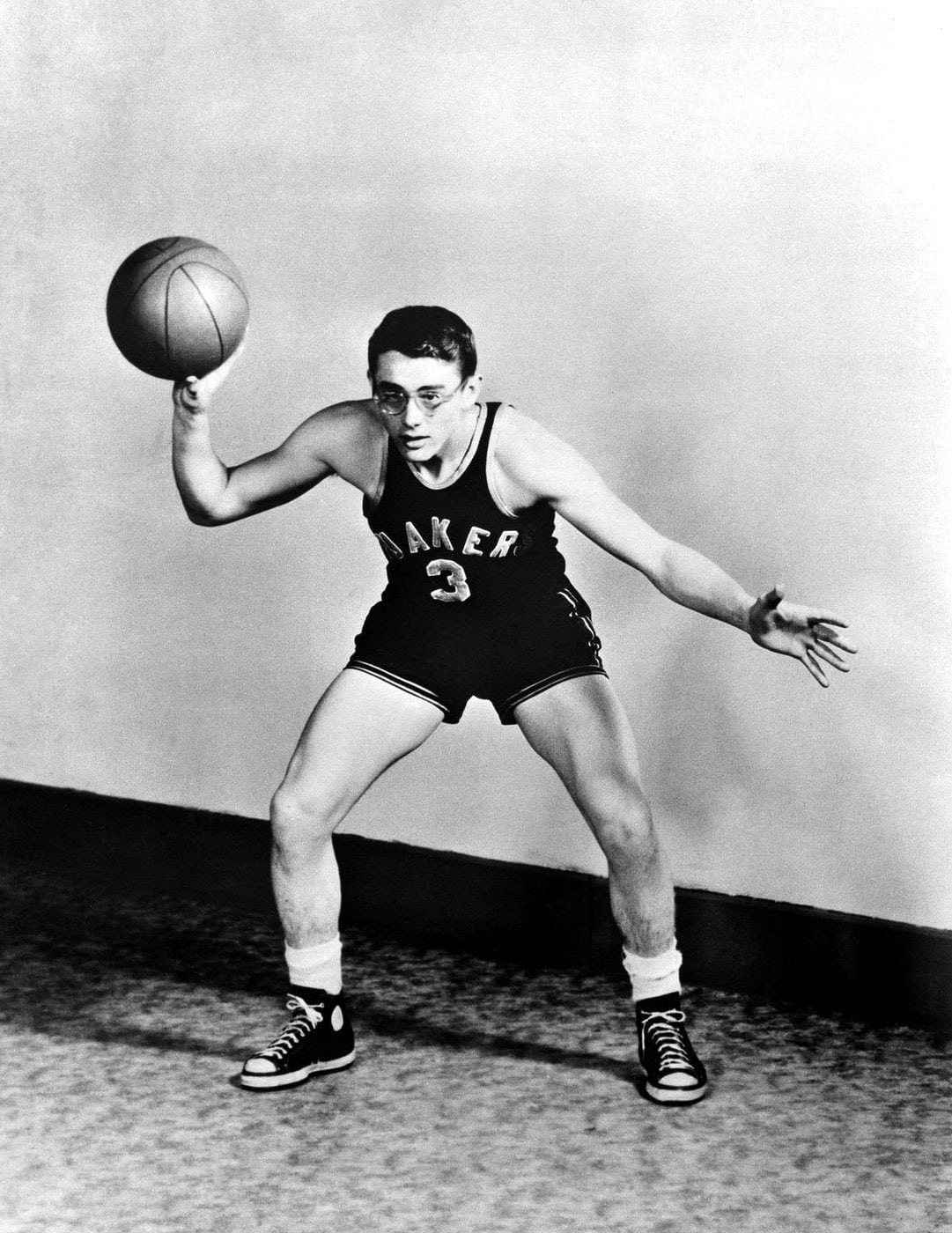
Dean grew up in Fairmount, Indiana, a small farming community where his early interests ran toward the ordinary: sports, speech class, school plays. He was a high school debater and played on the basketball team, two facts that feel almost comically at odds with the brooding rebel image that would define his legacy. After high school, he headed to Los Angeles for college, got into some little theater work and eventually made his way to New York, where he started appearing in television dramas.
The break came through a Broadway play called “The Immoralist,” where he played a supporting role opposite Geraldine Page and Louis Jourdan. Screenwriter Paul Osborne saw something in him and suggested him to director Elia Kazan for the role of Cal Trask in East of Eden. Kazan agreed after seeing one performance. The rest moved fast. Kazan later recalled the film’s preview: “The audience was screaming over Dean, and when the preview was over, the balcony cascaded with applause, like a waterfall.” The audience had no idea who he was going in — and came out completely sold.
East of Eden and Rebel Without a Cause both opened in 1955, the same year Dean died in a car crash on September 30. Giant, the last film he made, was released the following year. Three starring roles, total. That’s the whole filmography. And yet — as a 1975 Associated Press retrospective put it, his bare trio of films “turn up on television regularly” two decades after his death, and rock groups were still writing songs about him.

Director George Stevens, who cast him opposite Elizabeth Taylor and Rock Hudson in Giant, predicted that Dean’s hold on audiences would outlast even Rudolph Valentino’s post-mortem cult. His reasoning: Valentino’s appeal came from an air of fiction and distance, while Dean “is the awkward, rebellious personality that young people of today know so well.”
Below, we’ve gathered photos of young James Dean from babyhood through his early teen years — school portraits, family snapshots, basketball team pictures — alongside a few shots from his brief time as one of Hollywood’s biggest stars, and a 1975 newspaper retrospective marking 20 years since his death.
DON’T MISS: 📷 40+ adorable celebrity baby pictures from before these stars were famous
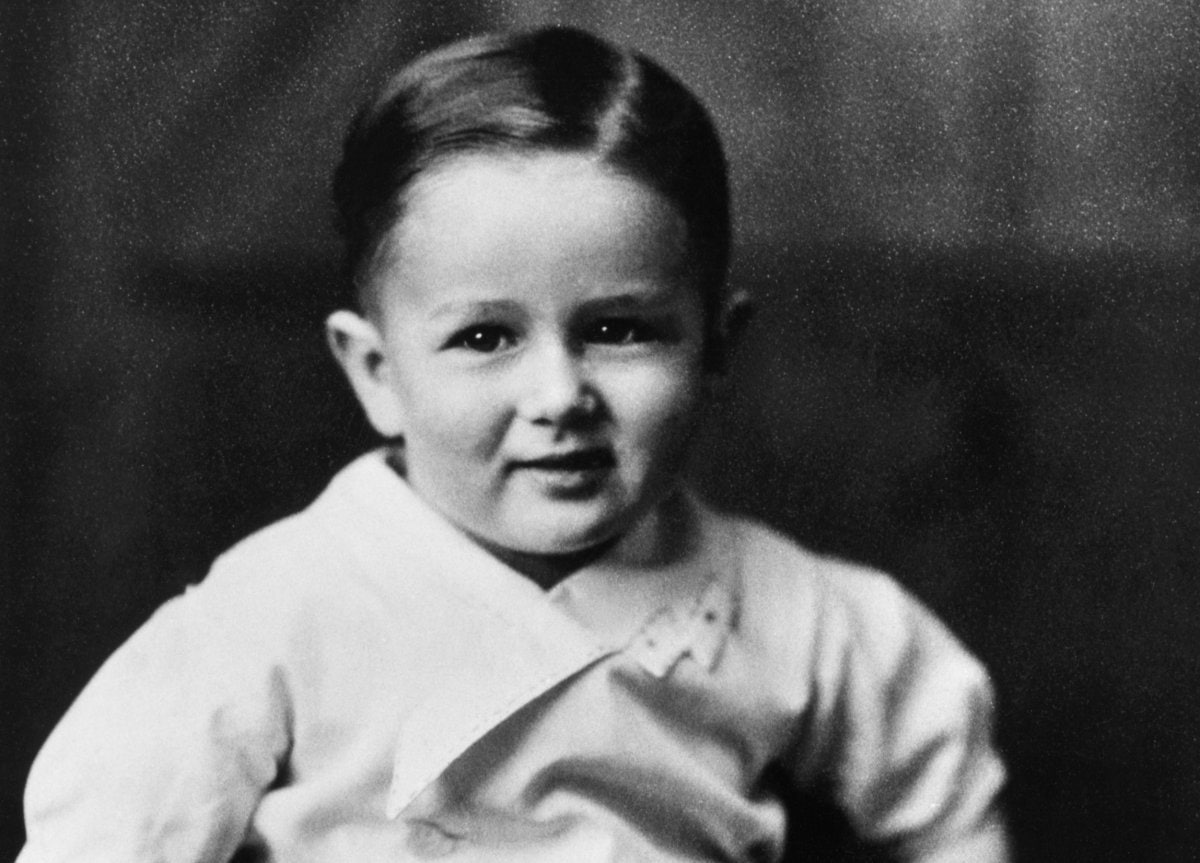
Young James Dean as a baby


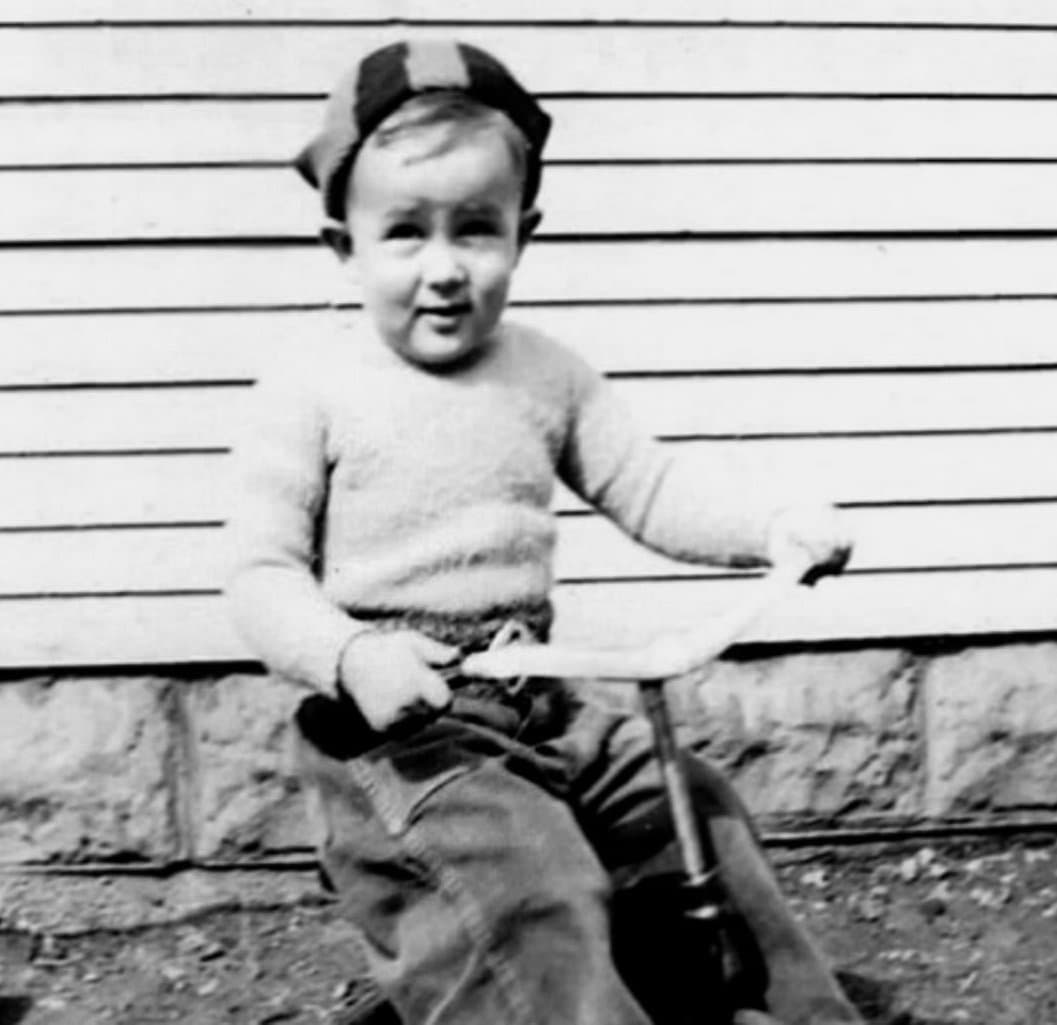
See little James Dean as a toddler

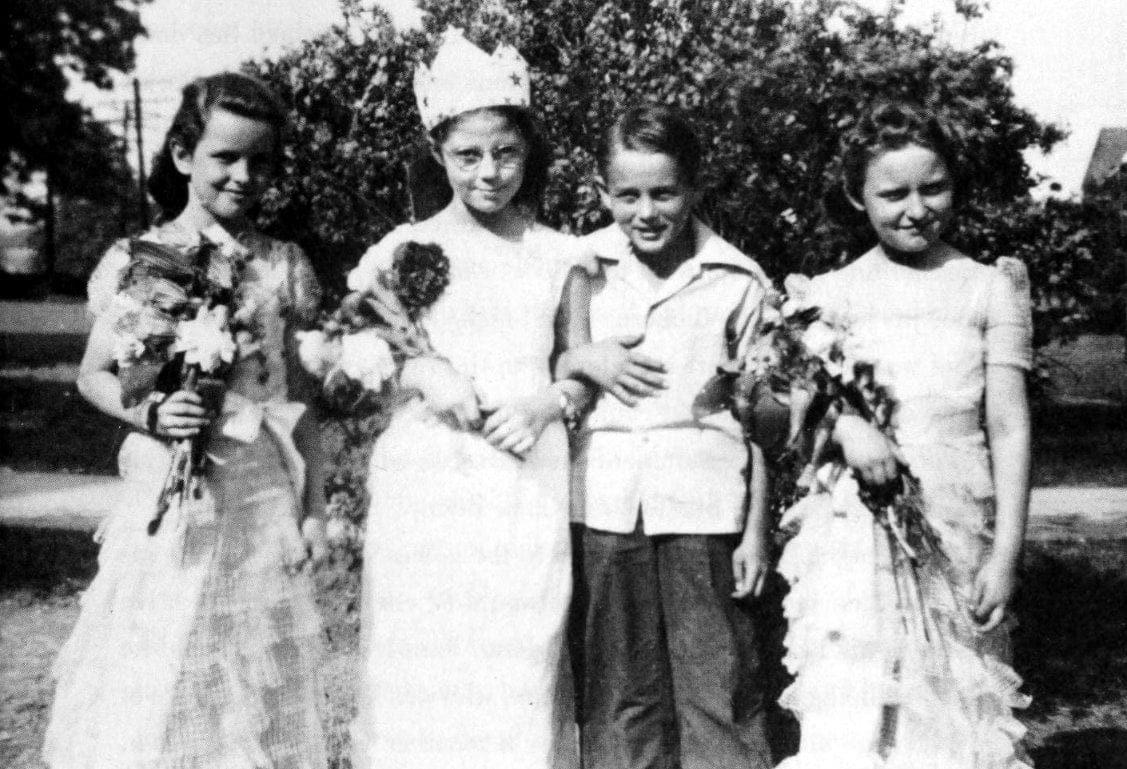
Adorable young James Dean as a kid

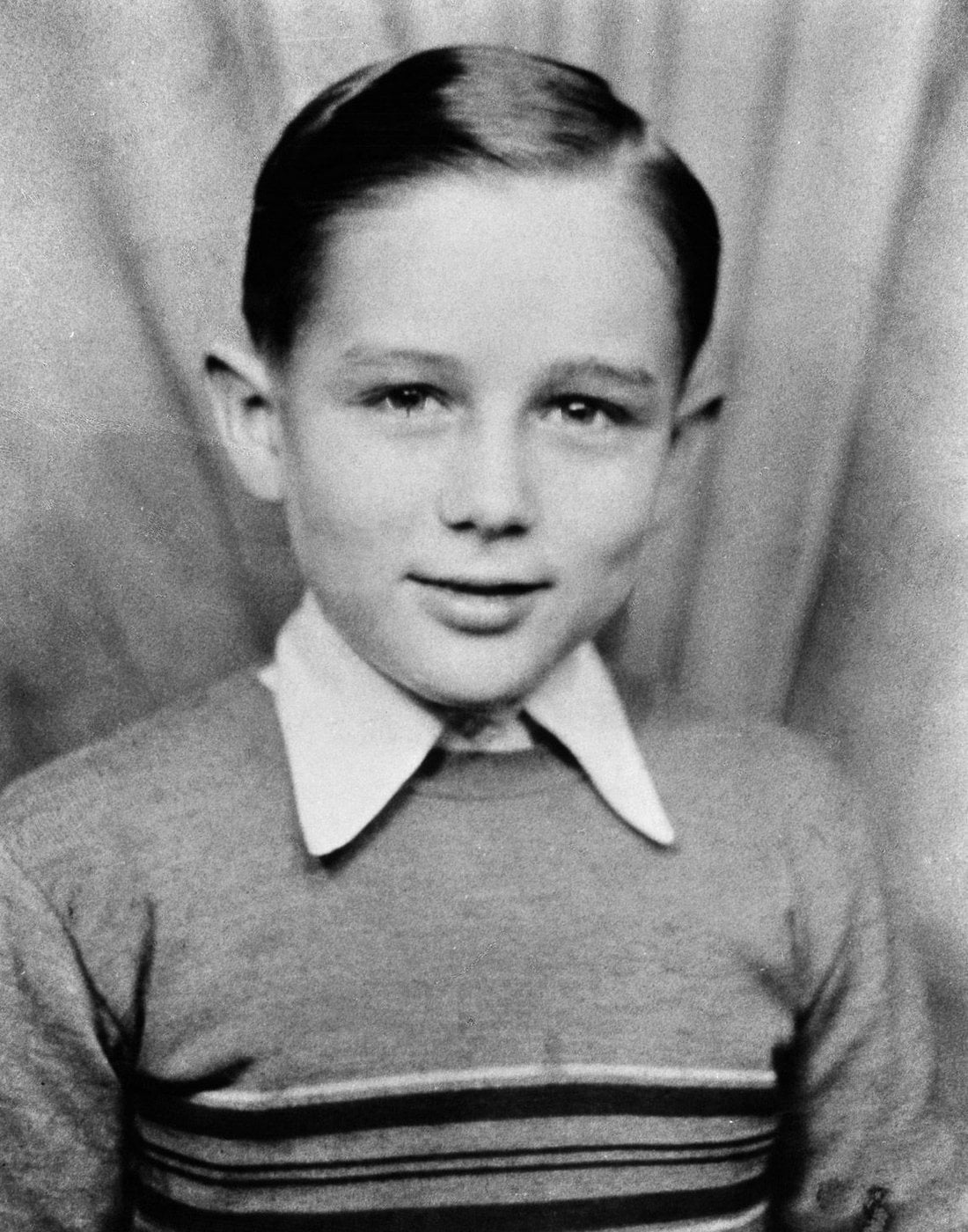
Old James Dean elementary school portraits

James Dean as a teenager and his high school years
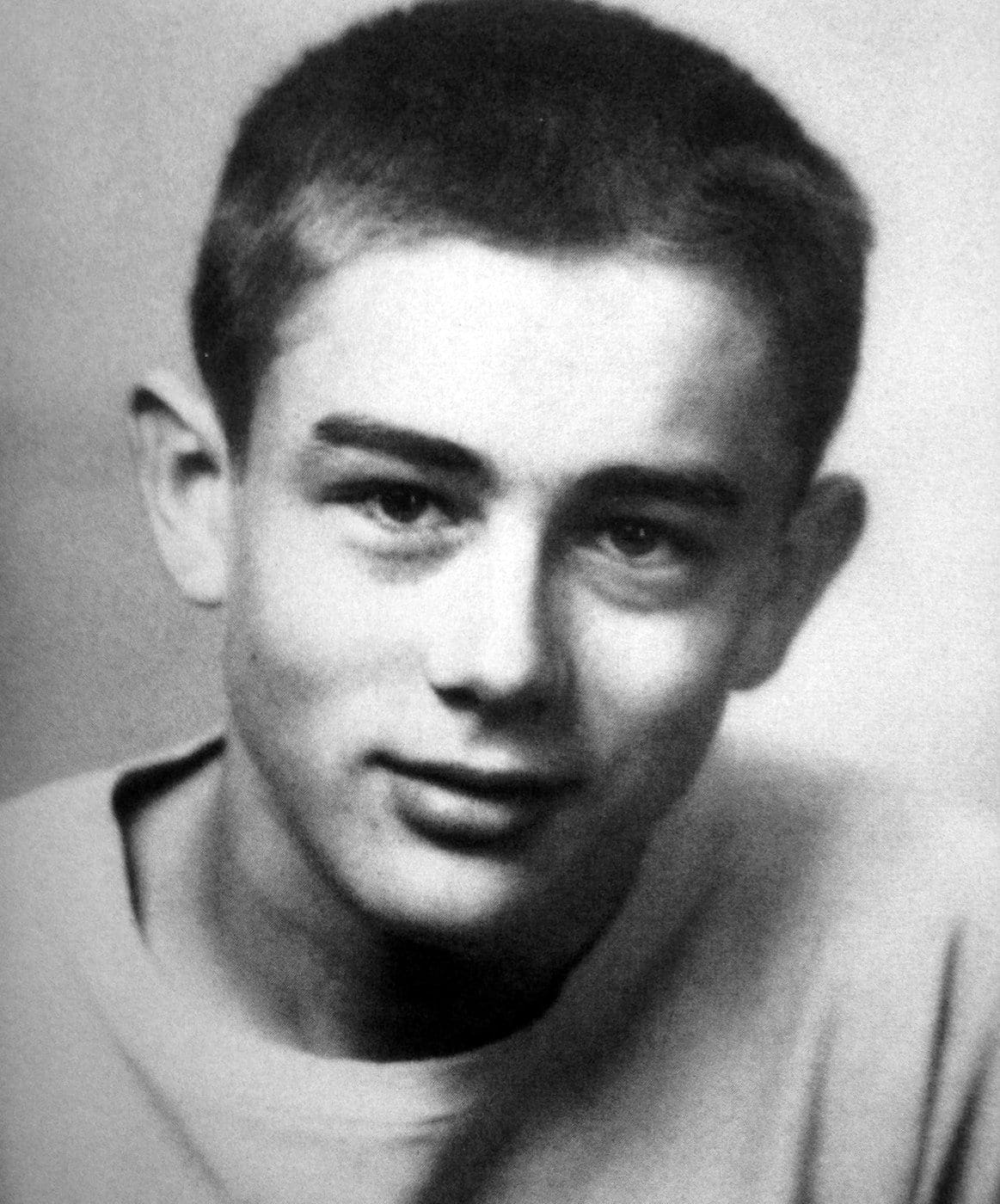
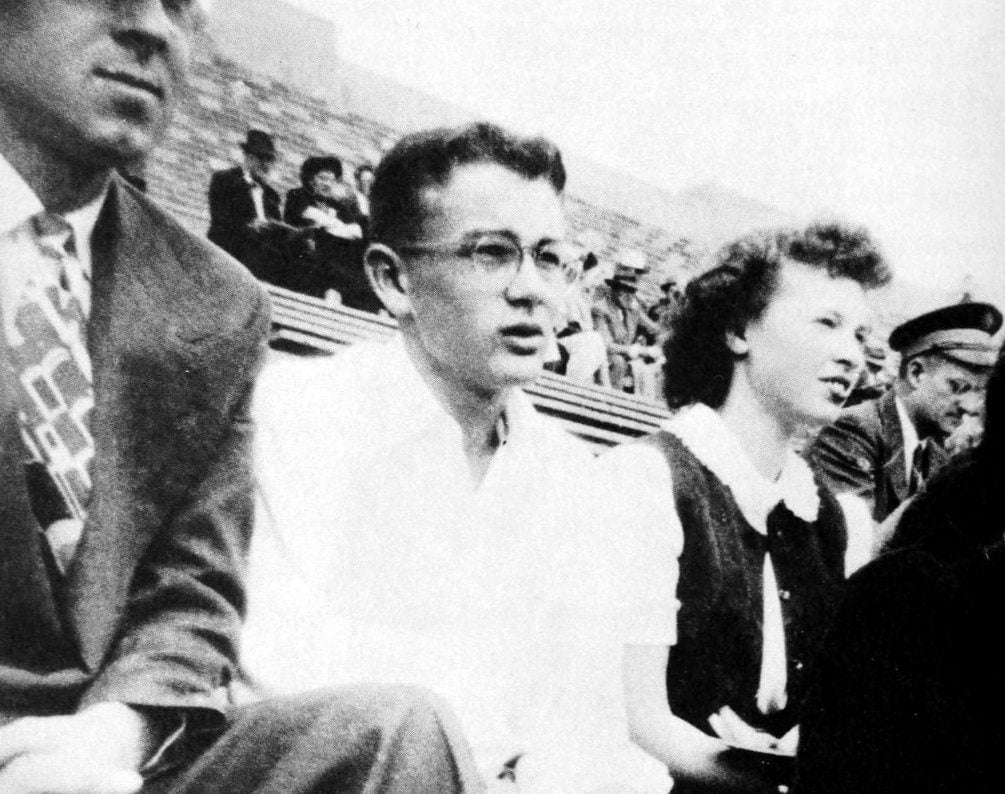
“Jimmy” Dean played on the high school basketball team

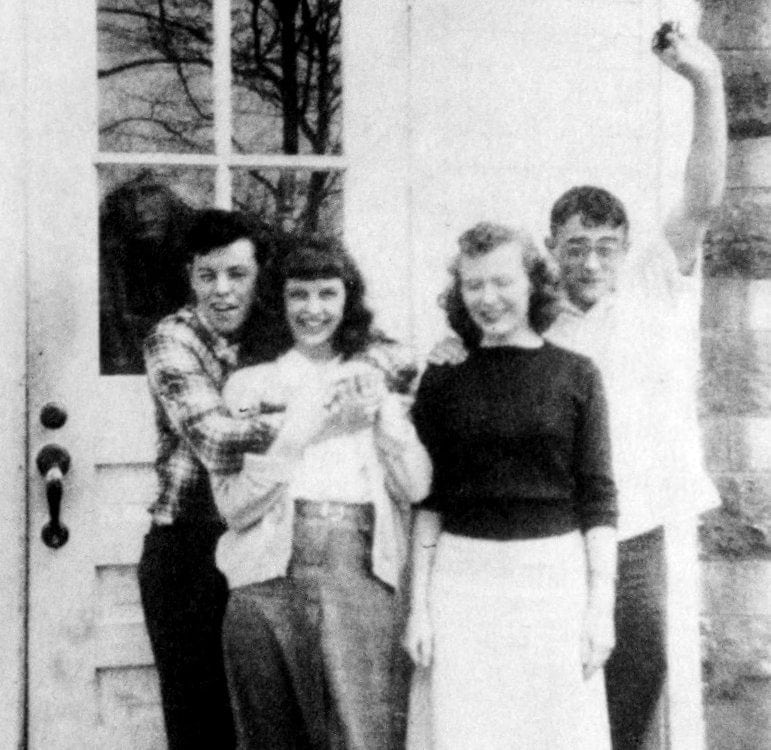

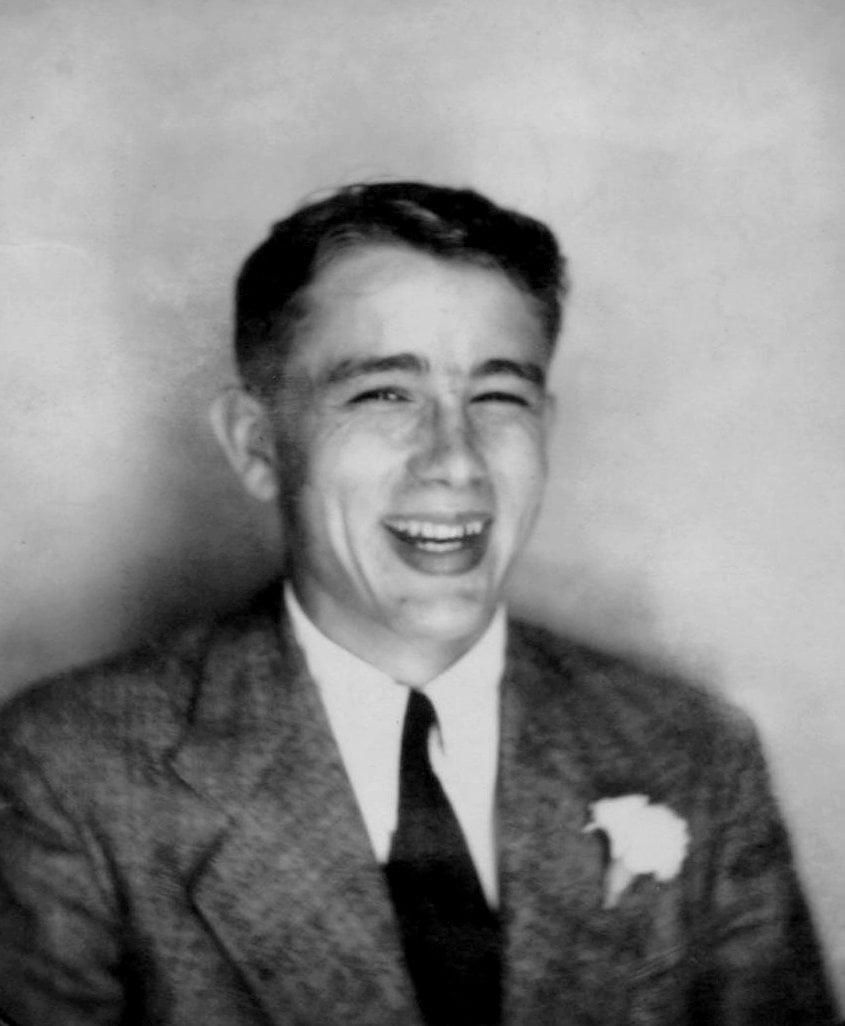
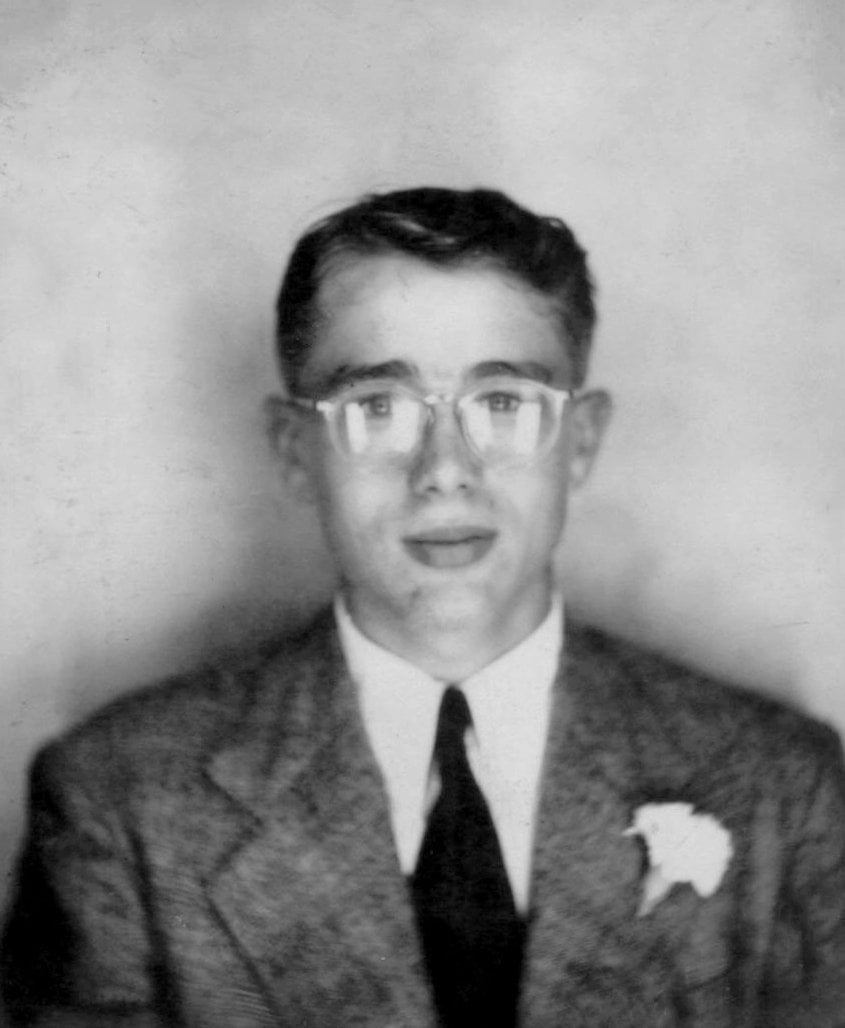
James Dean – formal portraits from before he was famous
James Dean, the movie star: The Rebel Without a Cause (from 1975)
From the Honolulu Star-Bulletin (Hawaii) September 30, 1975
LOS ANGELES (AP) —Twenty years ago, a sleek white Porsche sped down a highway near Paso Robles, Calif., and slammed into a car pulling out of a side road. Dead was James Dean. He was 24.
The Dean legend remains alive after two decades. His bare trio of starring films — “East of Eden,” “Rebel Without a Cause,” “Giant” — turn up on television regularly. Rock groups like the Eagles sing about him: “You were too fast to live, too young to die.”
Just as Marilyn Monroe and Judy Garland have become symbols of Hollywood’s corruptibility, James Dean personifies an era of doomed youth.
His brief life and especially his portrait of a troubled young man in “Rebel” seemed to epitomize the postwar generation as vividly as Fitzgerald and Hemingway had portrayed the Lost Generation of the 1920s.
James Dean remains a clear memory for Elia Kazan, the director who discovered him. Here to begin filming “The Last Tycoon,” Kazan considers the actor’s death “a great waste, a tragic loss.”
Said the director: “Jimmy was getting to be a pain in the ass, but he was a terrific talent. I think he would have gotten over that period of being difficult. It happens to most actors. That first burst of success is hard to deal with.”
A high school debater in his native Fairmount, Indiana, Dean had gone to college in Los Angeles, done some little theater work and moved to New York. He appeared in television dramas, then was cast as an Arab in a play starring Geraldine Page and Louis Jourdan, “The Immoralist.”
Paul Osborne, who was writing the screenplay of John Steinbeck’s “East of Eden,” told Kazan that Dean might be right for the role of Cal Trask. The director saw the play and agreed immediately.
“I’ll never forget the preview of ‘East of Eden,'” Kazan recalled. “There had been no advance publicity, and the audience didn’t know who Dean was. But there was some kind of immediate recognition… The audience was screaming over Dean, and when the preview was over, the balcony cascaded with applause, like a waterfall.”
The reluctant Dean was thrust into the glare of fame, and he grew more eccentric. He seemed to imitate the early Brando with his leather jacket
and motorcycle and antisocial behavior. The two actors met at a Hollywood party one night, and Brando snapped, “I think you ought to see a psychiatrist.”
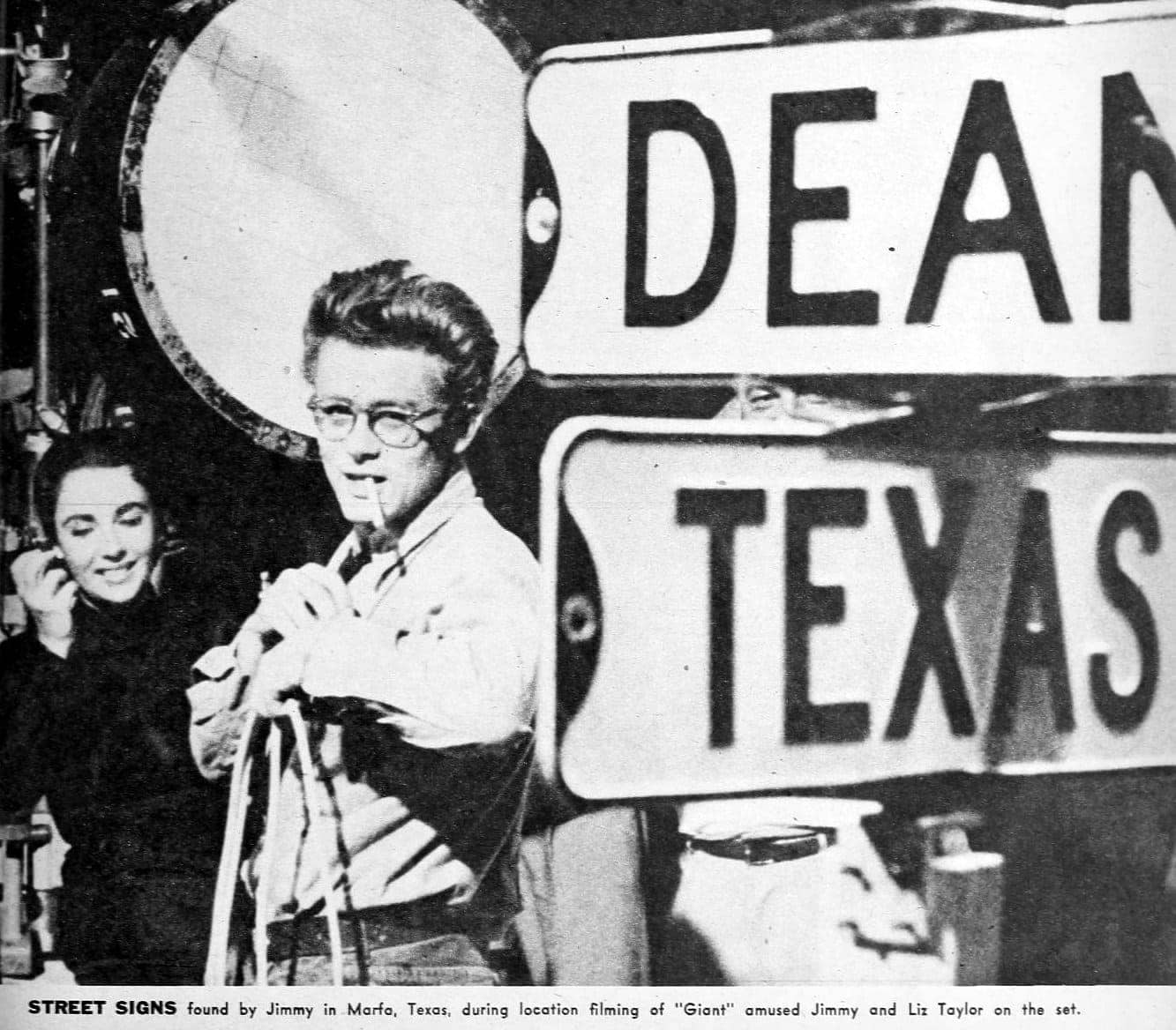
Dean went on to make “Rebel” with Nicholas Ray as director, then George Stevens cast him with Elizabeth Taylor and Rock Hudson in the epic “Giant.”
The clashes between Dean and Stevens were frequent. On the day after he finished the film, Dean drove north to a road race in Salinas. The crash broke his neck and arms, and crushed his left side. He died in an ambulance.

Much has been written about a James Dean death wish, observers theorizing that his obsession with speed predetermined his early end.
Kazan doubts this. “I think Jimmy wanted very much to live,” said the director. “Few people realize how short-sighted [nearsighted] he was. Nick and George and I, who directed him in films, could see that every time he dropped his glasses he could hardly see.”
A year after Dean’s death, George Stevens predicted that the actor’s mystique would live beyond that of silent star Rudolph Valentino, also the subject of a post-mortem cult. “Valentino was from a fictional, alien world,” the director reasoned. “His appeal was largely middle-aged women.
“Jim is much more to his audience. His is the awkward, rebellious personality that young people of today know so well. He is what they believe themselves to be.”