
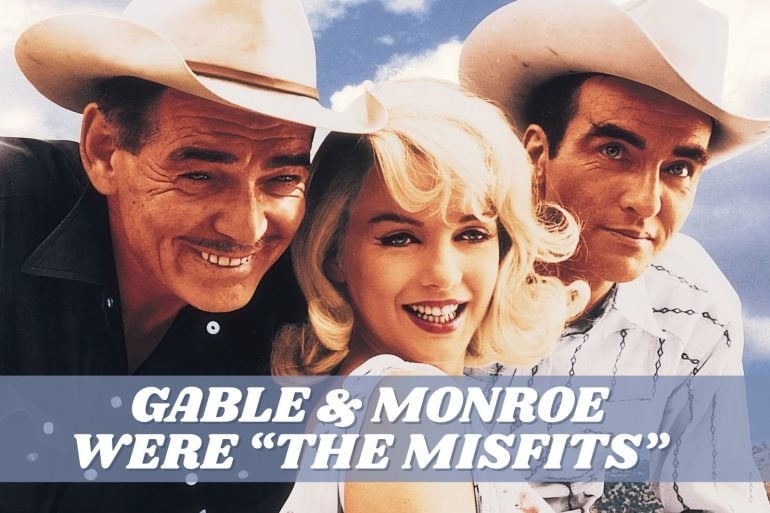
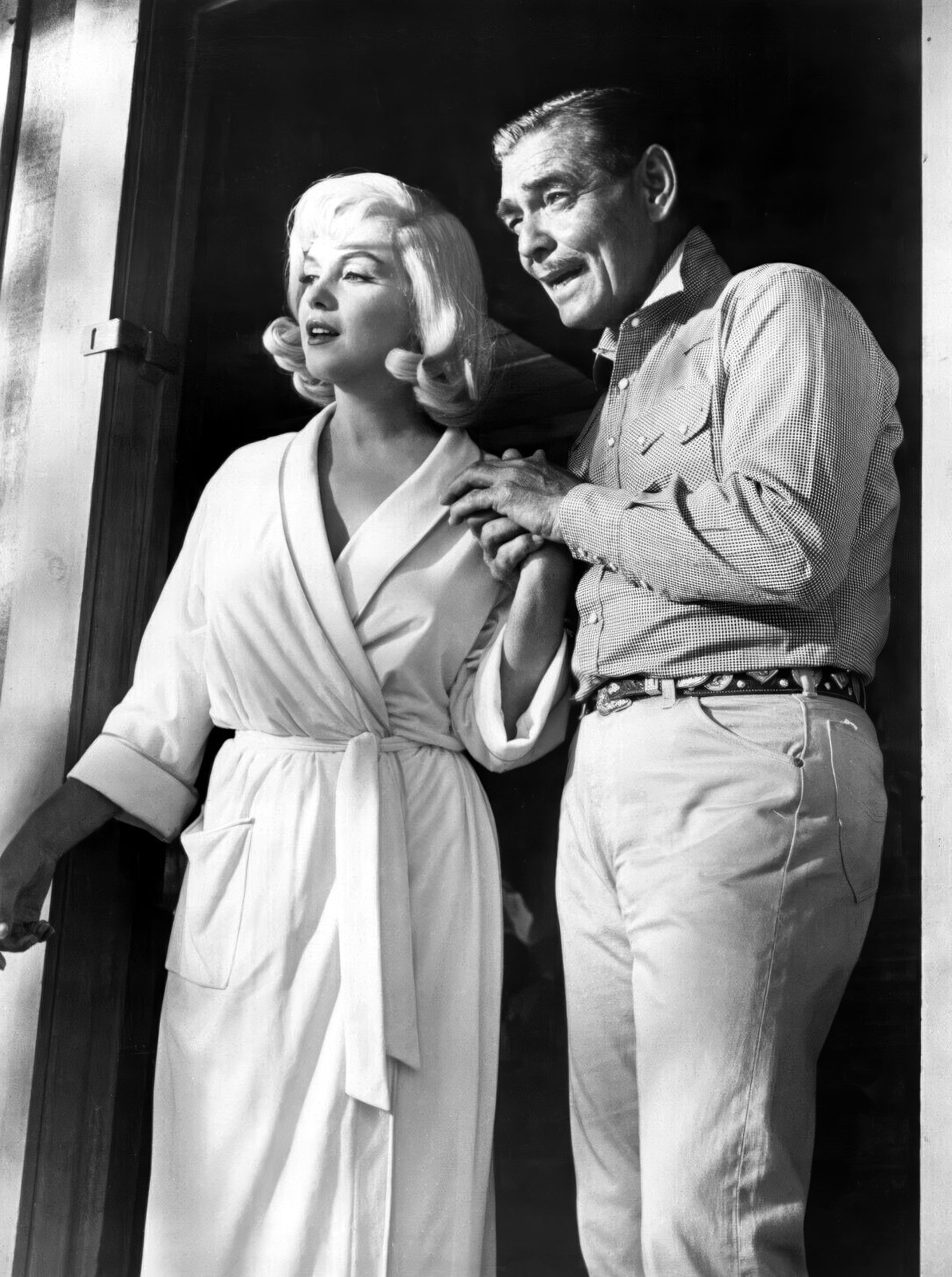
But by the time the film was released in early 1961, the circumstances around it had changed dramatically. Gable had died just days after filming wrapped. Monroe, newly divorced from playwright Arthur Miller, would never complete another film.
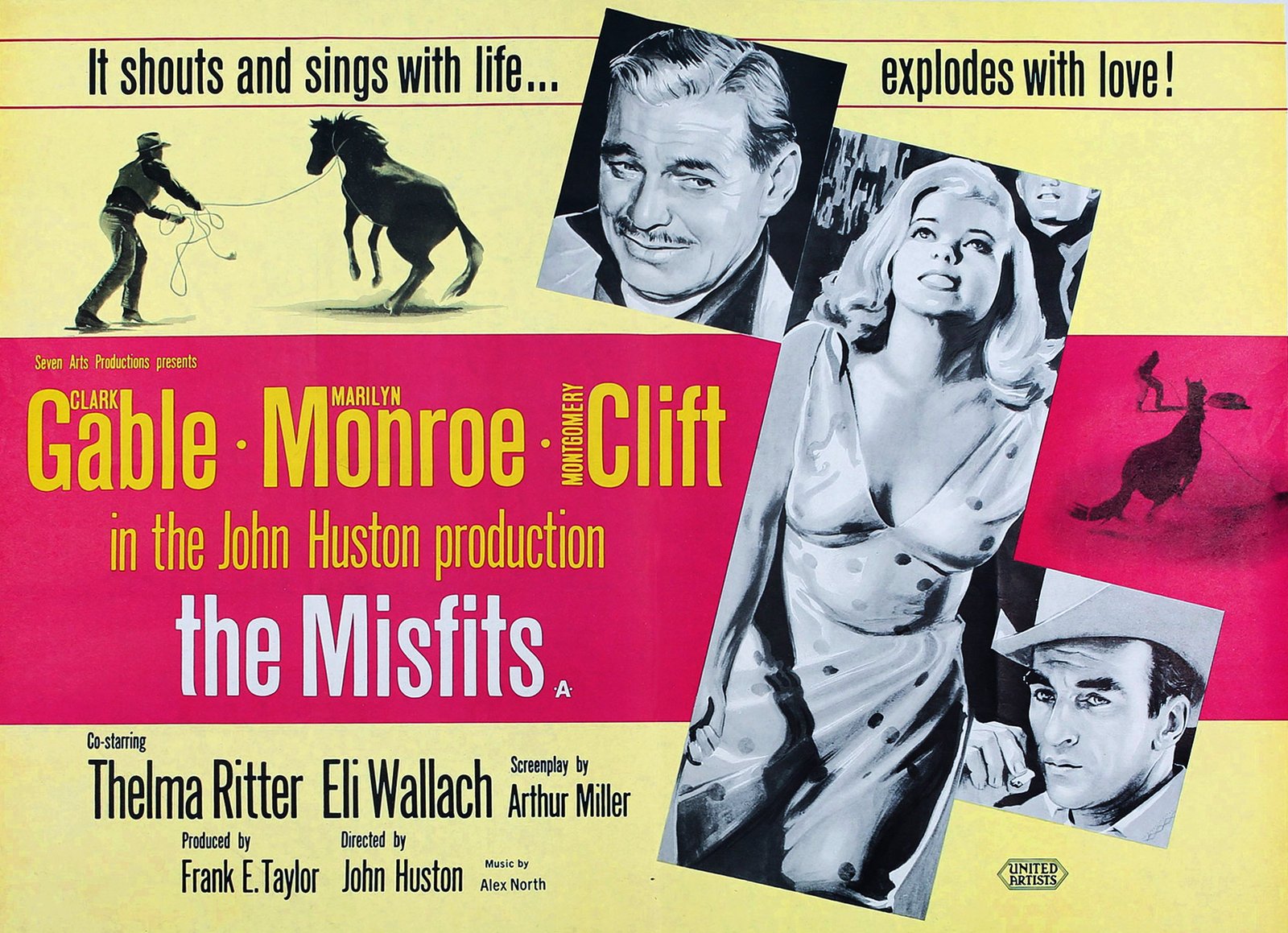
It was meant to be a comeback of sorts. Gable was still commanding lead roles at 59, and Monroe was taking on something more introspective, playing a character that Miller had written specifically for her. The film’s production brought together some of the biggest names of the time.
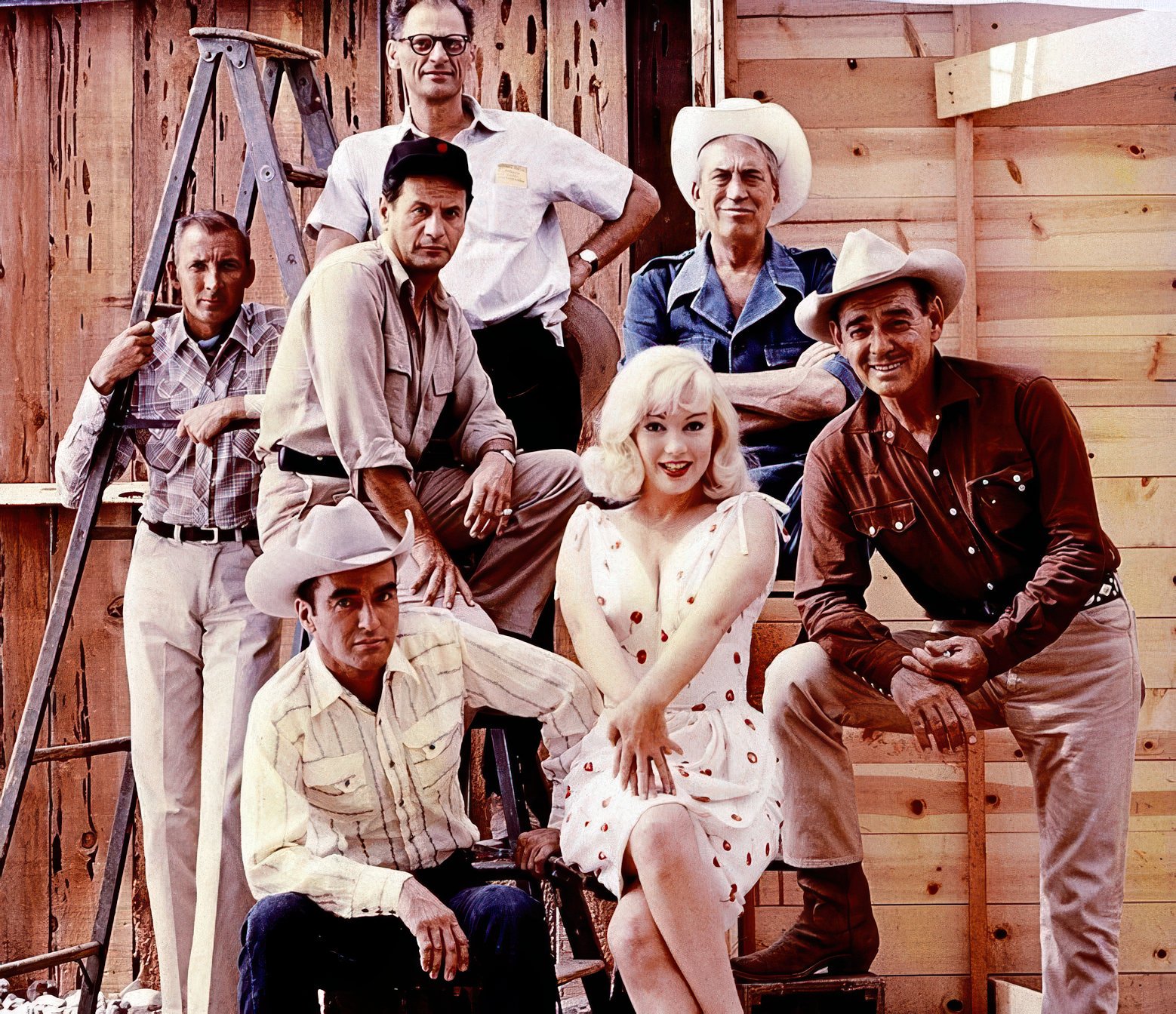
Directed by John Huston, with a supporting cast that included Montgomery Clift, Thelma Ritter and Eli Wallach, The Misfits had all the ingredients of a classic. Its setting in Reno gave it a gritty backdrop, and its story — about people trying to live outside of society’s expectations — fit the mood of the moment.
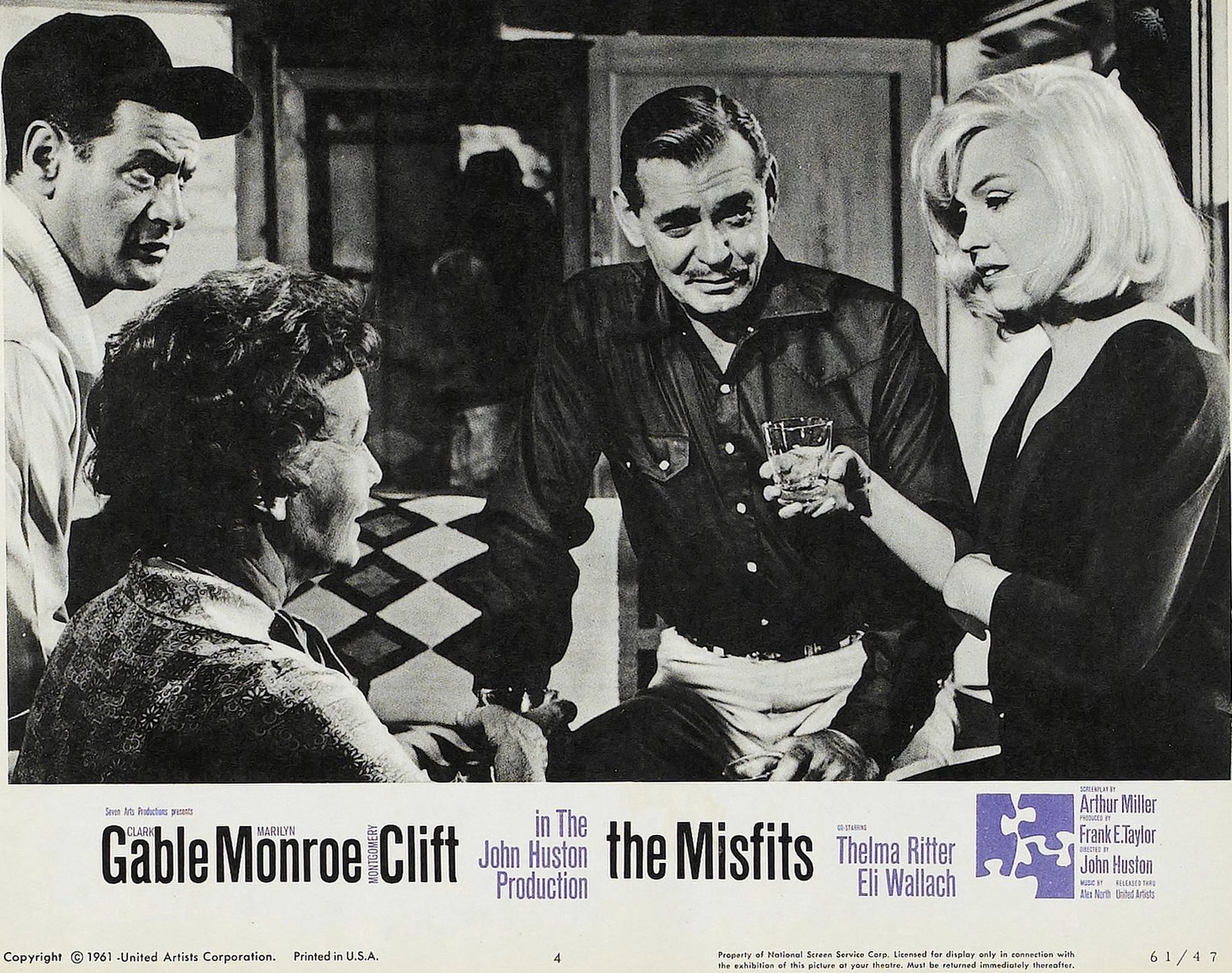
Still, the shoot was troubled from the start. Delays caused by weather and health issues slowed production. Monroe’s physical and emotional struggles were well-documented, and the end of her marriage to Miller played out in the background.
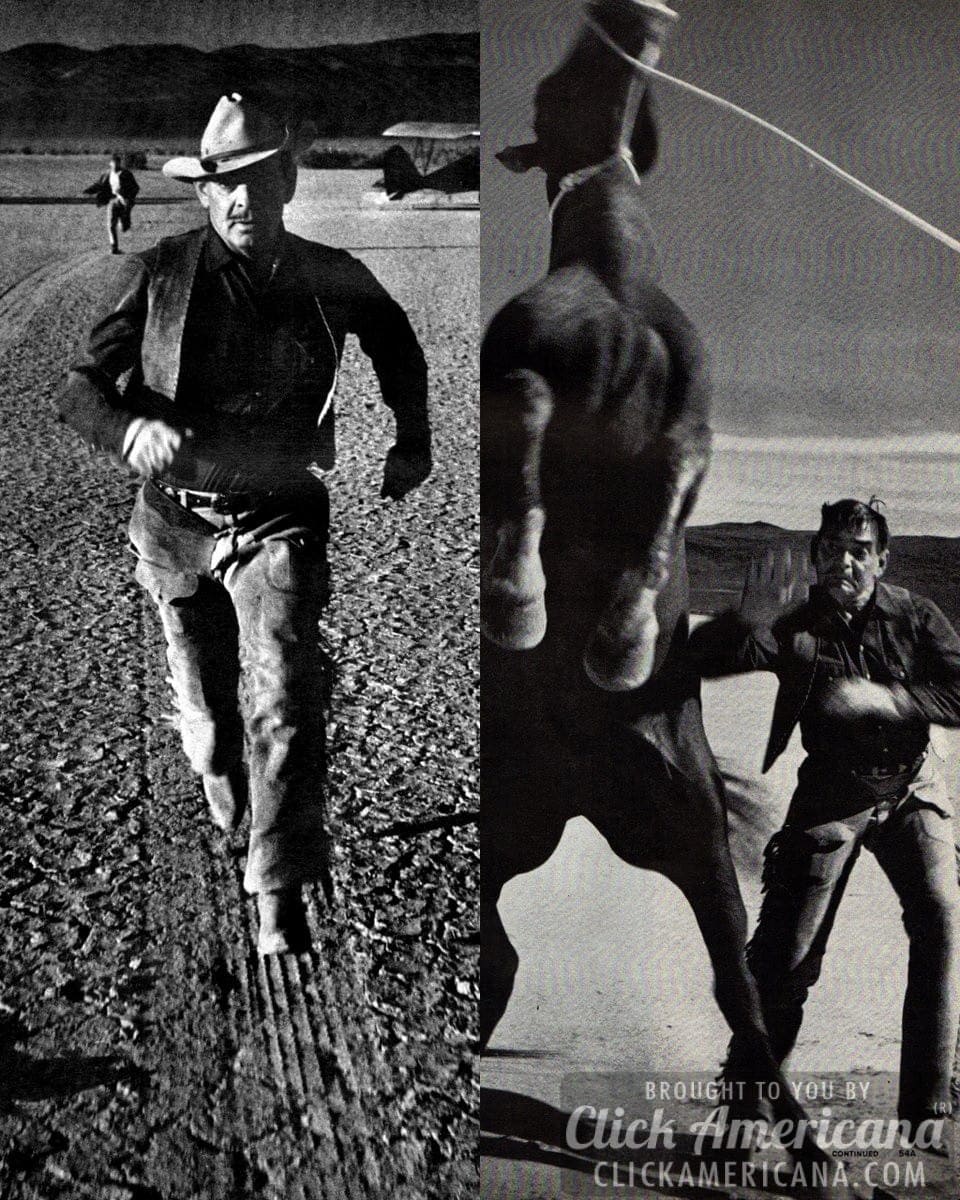
Gable, for his part, took the role seriously and put in a physically demanding performance. He liked the script, and his comments during filming show that he saw something deeper in the character of Gay Langland — a man out of step with the modern world. “If The Misfits inspires youngsters sufficiently even to think about being themselves,” he said, “it will help.”
- Amazon Prime Video (Video on Demand)
What makes the movie especially poignant is that both stars seemed to be confronting parts of their real lives on screen. Gable’s character is aging, disillusioned and resistant to change. Monroe’s is fragile, kind and struggling to find peace. The themes of disconnection and fading relevance echoed personal concerns for both actors. The story ends with a quiet sort of surrender, and knowing what happened after filming wrapped, it’s hard not to read that as something more.
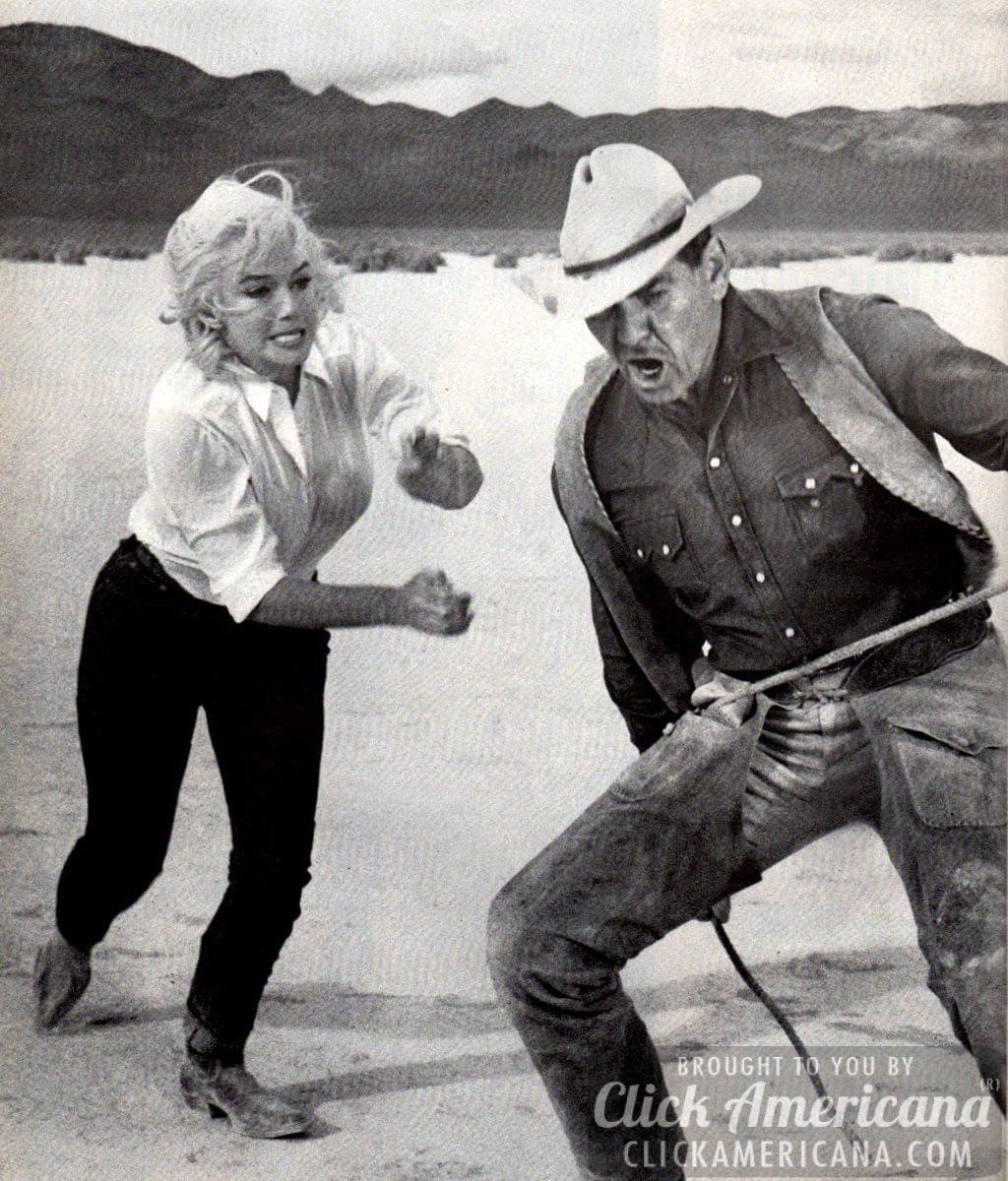
To better understand this moment in film history, we’ve collected original photos and press coverage from the time The Misfits was made. These snapshots and quotes reflect how the movie was seen in 1961 — before it became a symbol of final chapters for two of Hollywood’s most iconic figures.
A famous pair — and a finale
LIFE magazine (January 13, 1961)
Clark Gable came to The Misfits full of beans. In it he plays a character he loved — Gay Langland, a free-roaming, woman-loving wild horse hunter at war against a society that would tame him. He takes up with Marilyn Monroe’s Roslyn, the most loving and man-wanted woman in town. And the conflict between a vigorous Gable and gentle Marilyn is the essence of Arthur Miller’s screenplay, written especially for his wife Marilyn, and soon to be released by United Artists.
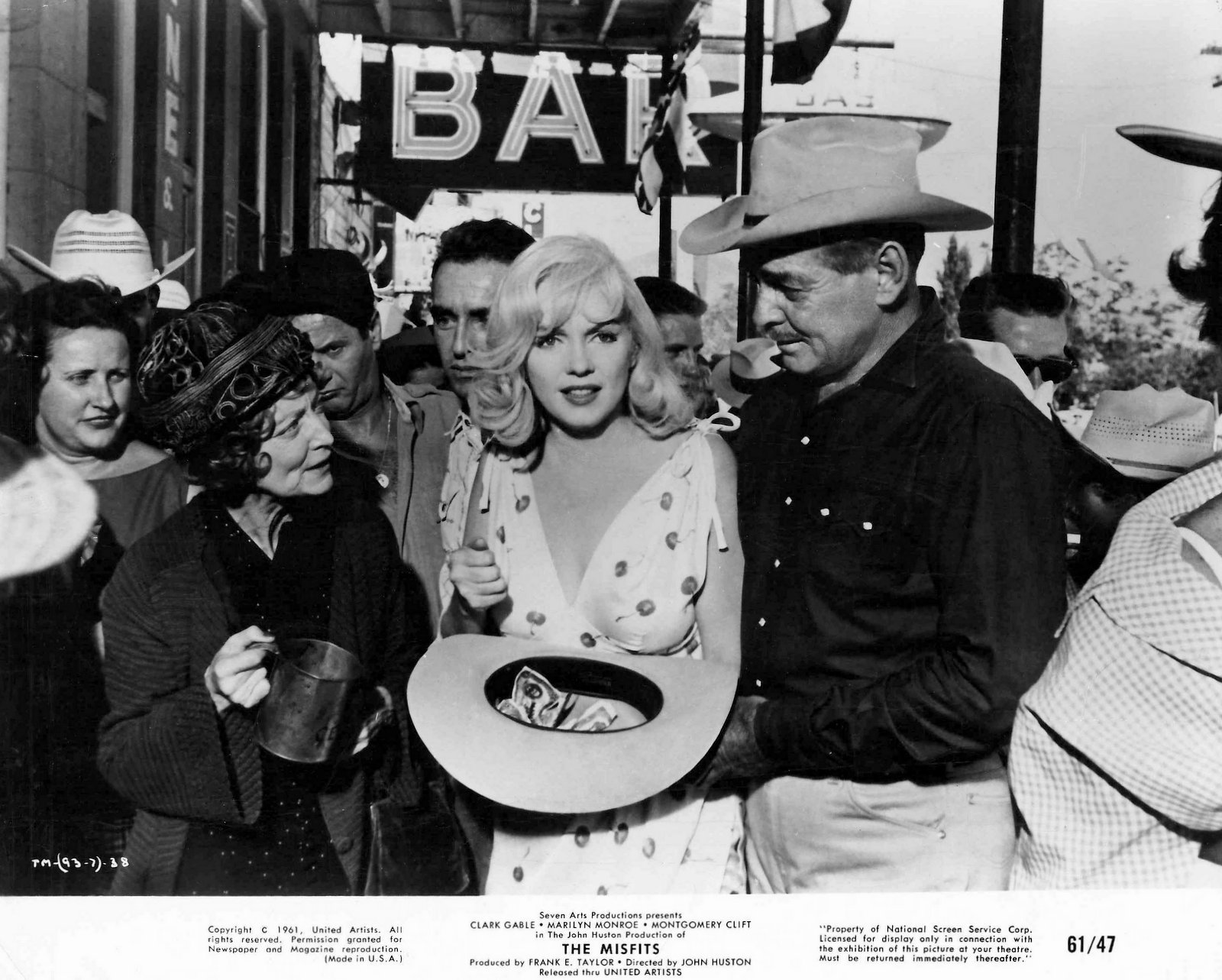
This was a movie that should have gone along easily — so well fitted were the players to the misfits they played. As the fancy-free divorcee who takes up with footloose mustang wrangler, Marilyn plays a role into which are written bits and pieces reminiscent of her own life. The wrangler is all uncomplicated masculinity, virile, violent and, in spirit, the perfect part for Clark Gable. To help the two, there was a top director, John Huston, and fine supporting actors — Thelma Ritter, Montgomery Clift and Eli Wallach.
But as always, there were troubles: forest fires and dust storms delayed the shooting, and Marilyn collapsed with heat fatigue. This time the troubles went far beyond ordinary bad luck. At film’s end came the unhappy announcement of Arthur and Marilyn’s divorce, and then the final tragic news of Clark’s death.
But the movie had been completed. Gable especially was enthusiastic about it. If he judged aright — and he was ever slow to praise his own movies — his last film will be one of his best.
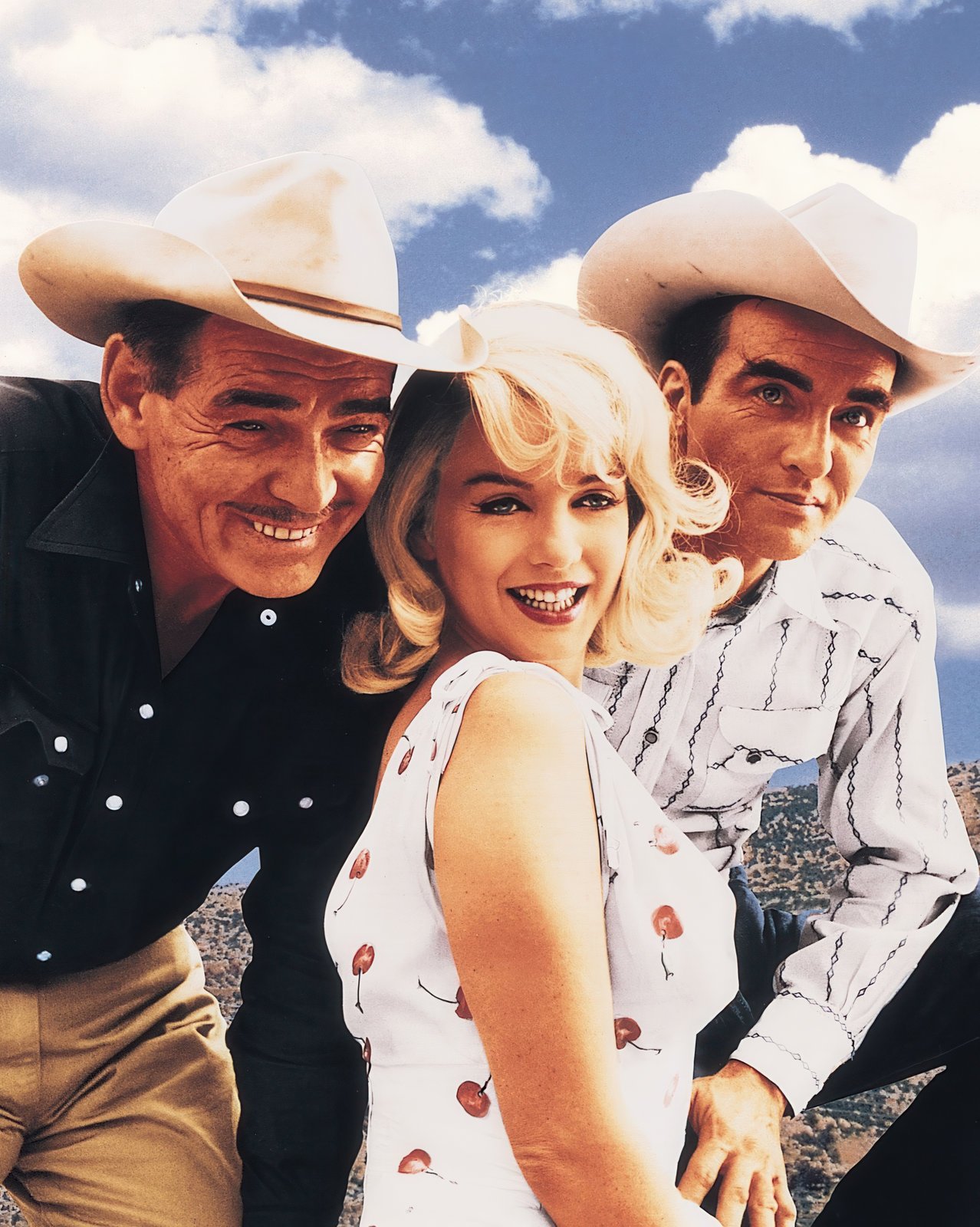
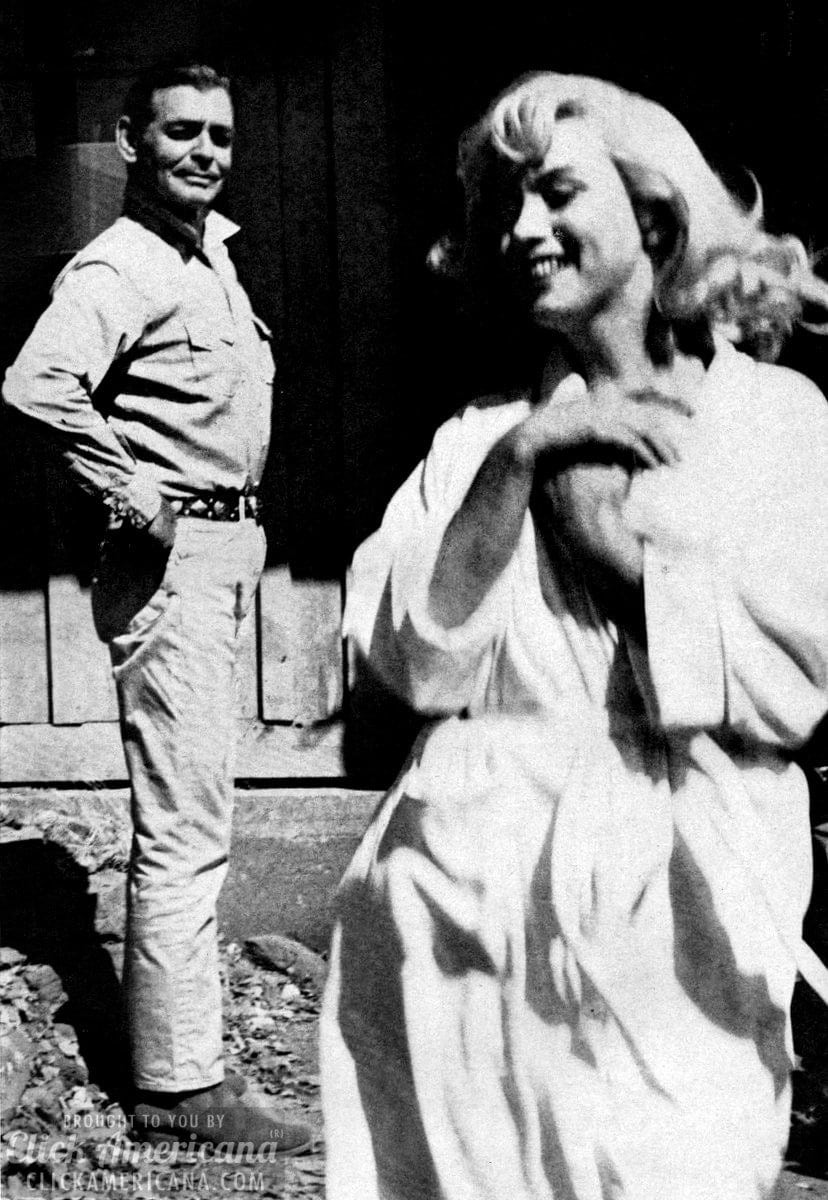
Photo caption (right): Long look from male to female takes place at a mountain cabin where Clark has taken Marilyn, his latest Reno conquest. Happiness reigns. She has just gotten a divorce and he has broken up with his previous girl, who wanted him to take a steady job.
Revealing talk from an old pro
During the making of The Misfits, James Goode, a former Life reporter, had many long shoptalk sessions with Gable, and from them came a picture of the star that will surprise many who thought they knew him. Behind the famous face and he-man personality of the screen star was a thoughtful man with a solid background of stage experience and a thoroughly professional respect for his work. Here are some of the things he told Goode:
“The acting I know — what I know of it — originally came by working with professionals in the theater. Before I made my first movie I played for such directors as Arthur Hopkins, George M Cohan, David Belasco. I played heavies, comedy, a white-haired judge, a Chinaman. I also played Shakespearean roles, understudying Dennis King as Mercutio, Rollo Peters as Romeo and Lewis Hester as Tybalt, memorizing all the parts.”
“Acting has always been and still is with me a profession, not an easy one to learn. I learn something new in every picture. I do not know what they mean by a ‘finished actor.’ As far as I know, finished is when you can’t get a job.”
ALSO SEE: About ‘Gone With The Wind,’ the movie that became the highest-grossing film of all time
“Lionel Barrymore persuaded me to try pictures in 1930. Talkies were just coming in and he said ‘You’ll find the picture business has changed. The silent picture people don’t talk so well.’
“He arranged a screen test for me at his studio MGM as a native boy in The Bird of Paradise. All I wore was a G-string, a hibiscus over one ear and a knife. I was painted brown and they had curled my hair. The studio chief, Irving Thalberg, took one look and said, ‘Never.’ Later he hired me at $650 a week.”
“I would not have taken The Misfits part, even if I liked the man, if the rest of it was weak. But it’s a strong play. One actor never made a picture. The play must have something to say. I’ve never played a part exactly like this fellow. He interested me. As I saw it there’s not many of these fellows who refuse to conform to the group around.”
“If The Misfits inspires youngsters sufficiently even to think about being themselves, it will help.”
“A man my age [59 years young] has no conception of what is happening now. We are left out of society. These atom bombs — that’s another world — one we don’t understand. I grew up with the automobile. Now it is antique as the horse.”
ended — looking back, we can see that the phrasing was oddly (and sadly) prescient: Time would eventually reveal that this was Marilyn Monroe’s final film role, too.




One Response
Nice write up. I love this film. Saw it for the first time on TCM during a 3 year period I now call “my education in the history of classic films”. I happily admit that it was during this same 3 year period when i was uundergoing a lot of personal pain and adversity ( they have a name for this as well : “Growing up ” lol ). These old classics, man they really helped me stay centered, esp. When all else failed, and it usually did. As I’m writing this, I look back on an awfully painful time and feel special fondness because of film’s such as “The Misfits”, actors, and starlets, such as Gable, Clift, Jimmy Dean, and oh so many more. I have since shunned the television. In part because life changed, I moved and now don’t want to split a cable bill. With out TCM, what good is a T.V.?!?