Disney’s fascination with Lewis Carroll’s 1865 book goes back almost to the beginning of his career. In 1923, while still in Kansas City, he produced an unfinished short called Alice’s Wonderland — a live-action girl in an animated setting — that served as the template for the Alice Comedies series he launched after moving to Hollywood.
Those 57 shorts, which ran from 1924 to 1927, borrowed Carroll’s premise loosely and mostly used it as an excuse to animate surreal gags around a real child actress. A proper, faithful adaptation was a separate project entirely, and Disney kept returning to it.
He registered the title Alice in Wonderland with the Motion Picture Producers and Distributors of America in 1938, hired a storyboard artist and art director, and had a story reel ready by 1939 — only to shelve it because the drawings hewed too closely to John Tenniel’s original illustrations to animate well, and the tone came across as too dark. World War II and the cost pressures of Pinocchio, Fantasia and Bambi finished the job of pushing Alice aside.


Production resumed in earnest after the war, drawing on contributions from all nine of the animators later known as the Nine Old Men. Mary Blair’s color work shaped the film’s visual identity — flat, graphic and deliberately stylized rather than naturalistic. Aldous Huxley had been brought in to write a new script in 1945, though his version was eventually set aside in favor of a more episodic approach closer to Carroll’s original structure.
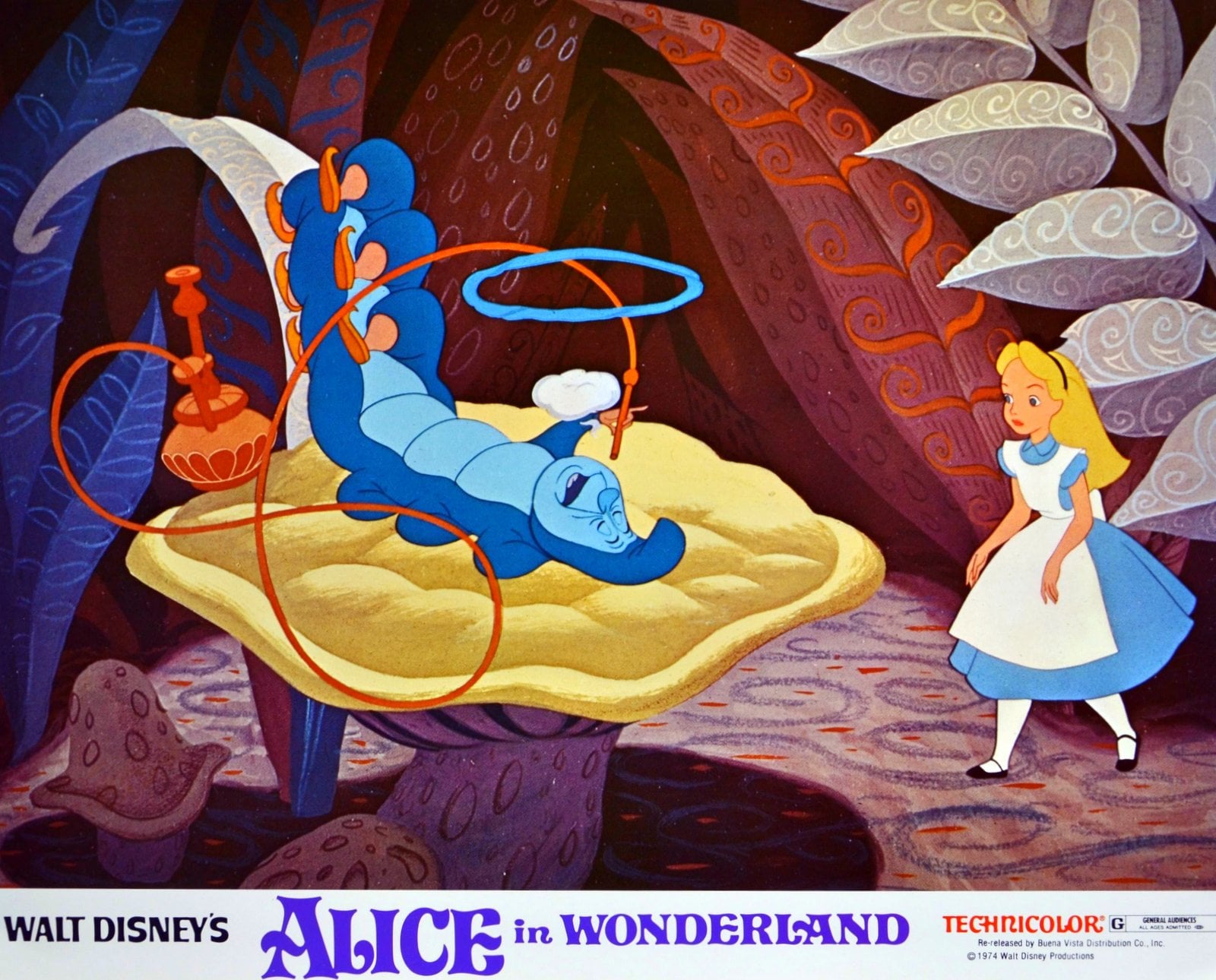
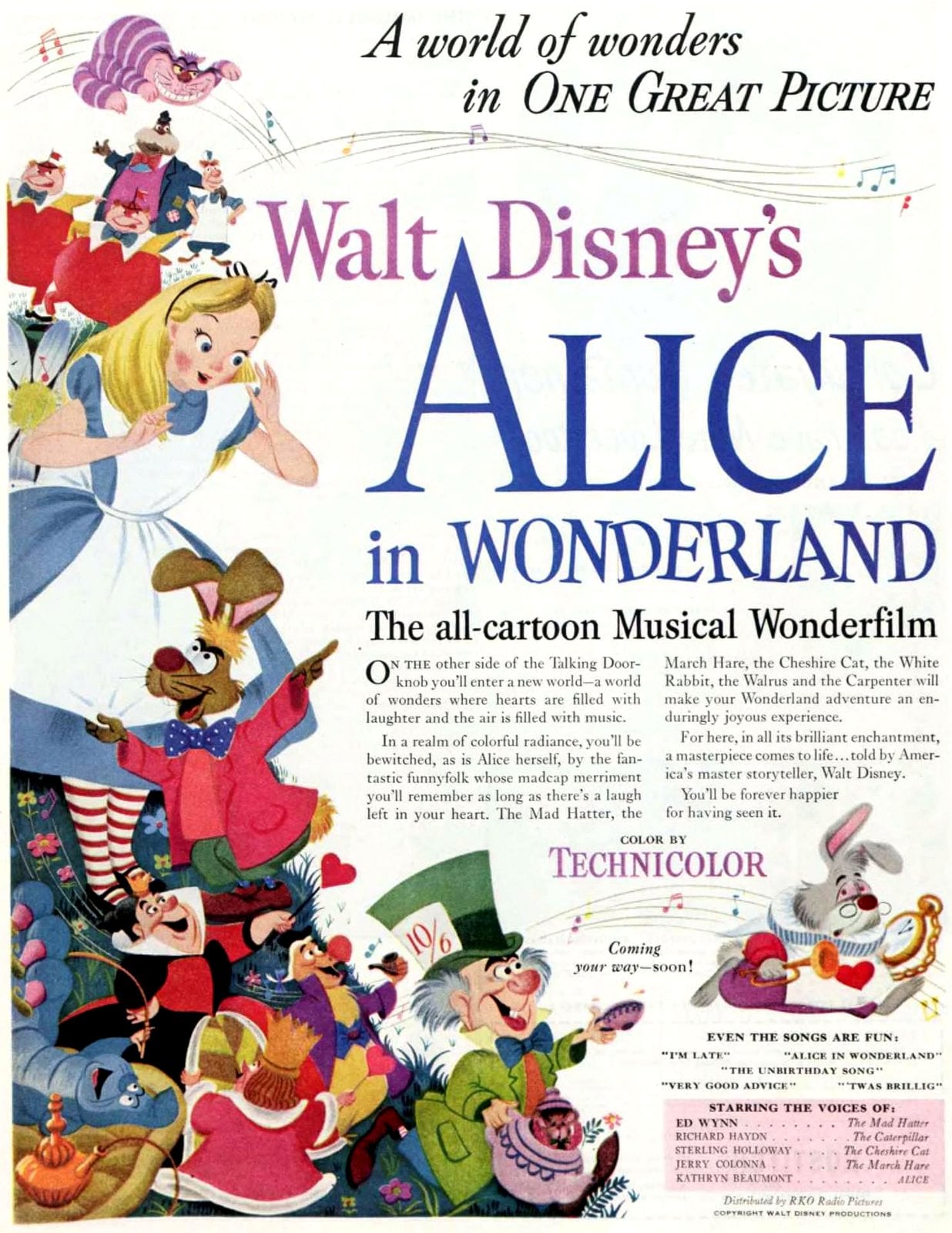
The voice cast included Ed Wynn as the Mad Hatter, Sterling Holloway as the Cheshire Cat, Verna Felton as the Queen of Hearts and 12-year-old English actress Kathryn Beaumont as Alice — Beaumont also performed the live-action reference footage that animators used to match the character’s movements, footage that was destroyed once the cartoon was finished. The film was nominated for an Academy Award for Best Scoring of a Musical Picture, losing to An American in Paris.
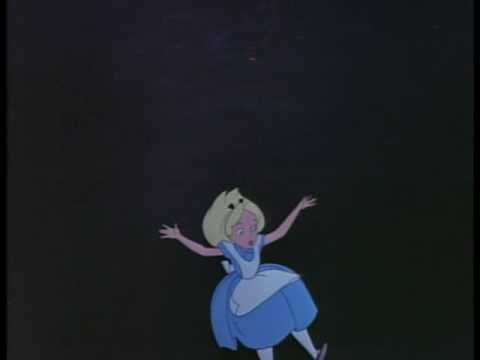
VIDEO | Alice in Wonderland trailer (1951)
When Alice in Wonderland opened in July 1951, it earned roughly $2.4 million domestically — not a complete disaster, but far below expectations for a studio that had just delivered Cinderella the year before. British critics were particularly rough on it, accusing Disney of Americanizing a cornerstone of English literature. Disney himself agreed the film fell short, telling colleagues it lacked heart.
Animator Ward Kimball put it more specifically: the picture had five directors each trying to top the others, and the sequences canceled each other out. Carroll’s episodic structure, which had no central villain and no clear dramatic arc, also resisted the formula that had worked so well in Snow White, Pinocchio and Cinderella. Disney never gave it a theatrical reissue during his lifetime. Instead, a heavily edited version ran as the second episode of the Disneyland TV series on ABC in November 1954.
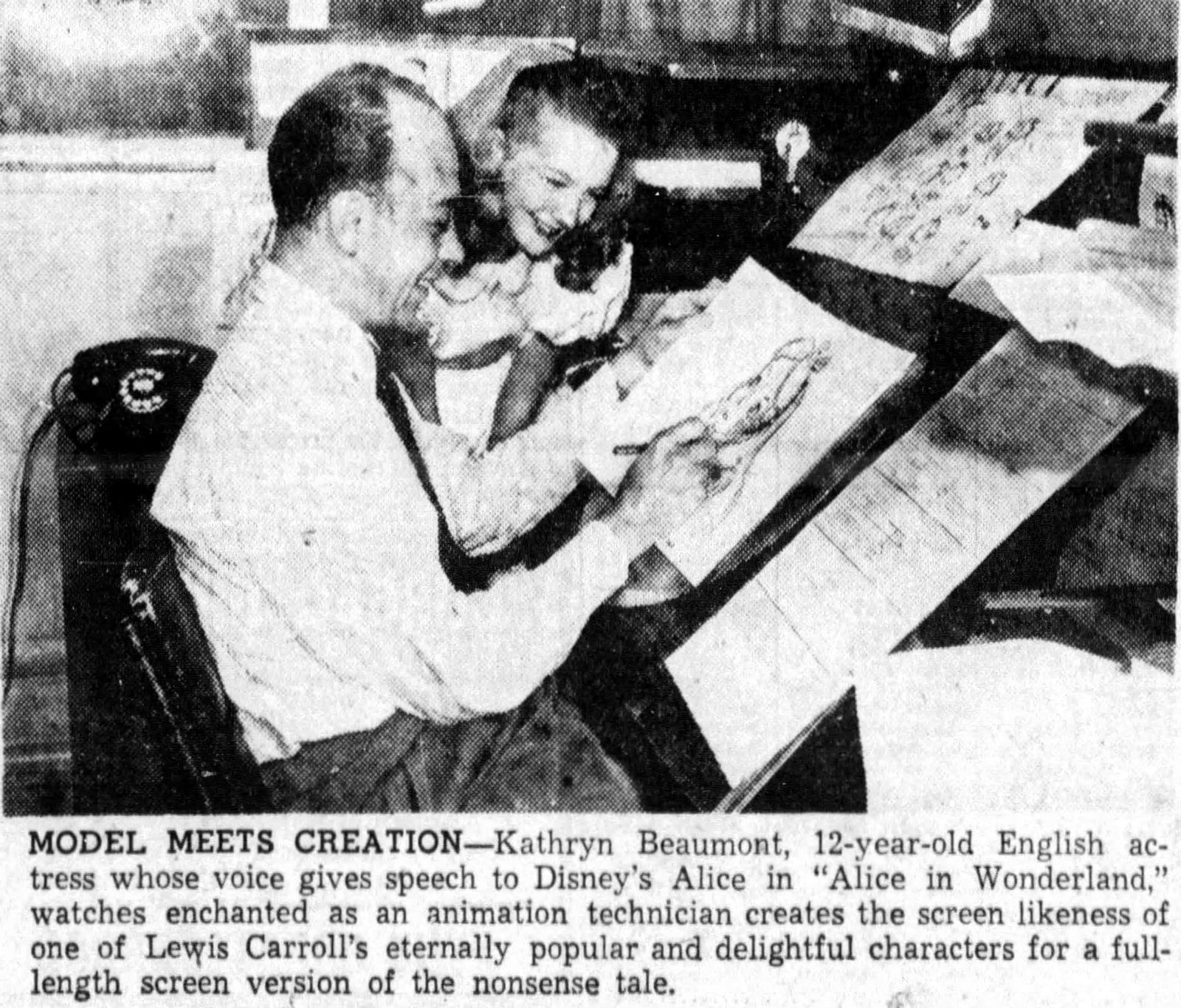
The film’s second life came from an unexpected direction. Starting around 1971, college campuses began screening Alice in Wonderland as a midnight movie, and it became the most rented film in some cities. The Caterpillar on his mushroom, the size-changing potions and the general sense of Wonderland logic resonated with audiences in ways the 1951 family crowd hadn’t anticipated.
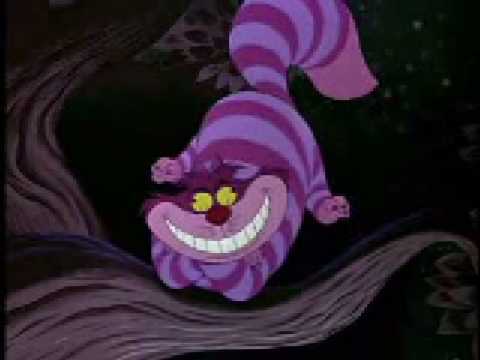
VIDEO | Alice meets the Cheshire cat
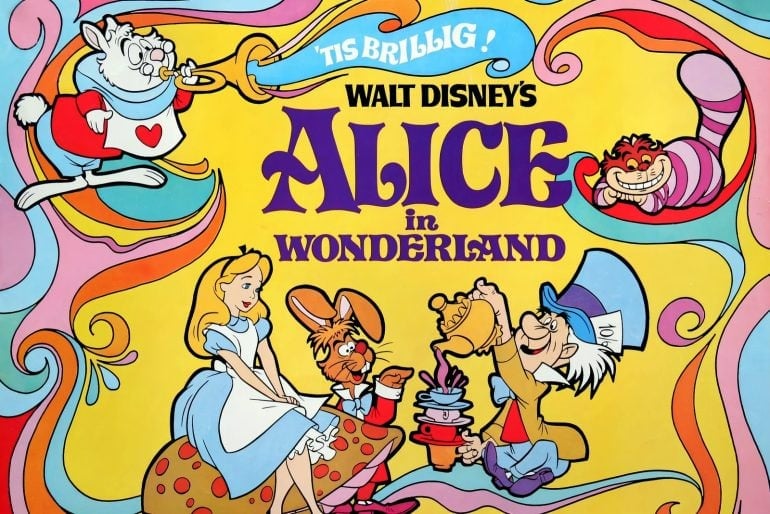
Disney leaned into it: the 1974 theatrical reissue — the first since the original run — was promoted with radio ads that played up the psychedelic angle, including allusions to Jefferson Airplane’s song “White Rabbit.” Critics took a second look. Frank Cafone’s 1974 reassessment in the Asbury Park Press, reprinted below, argued the film had never fit the Disney formula but still found an audience that appreciated it on its own terms. Home video releases beginning in 1981 did the rest of the work.
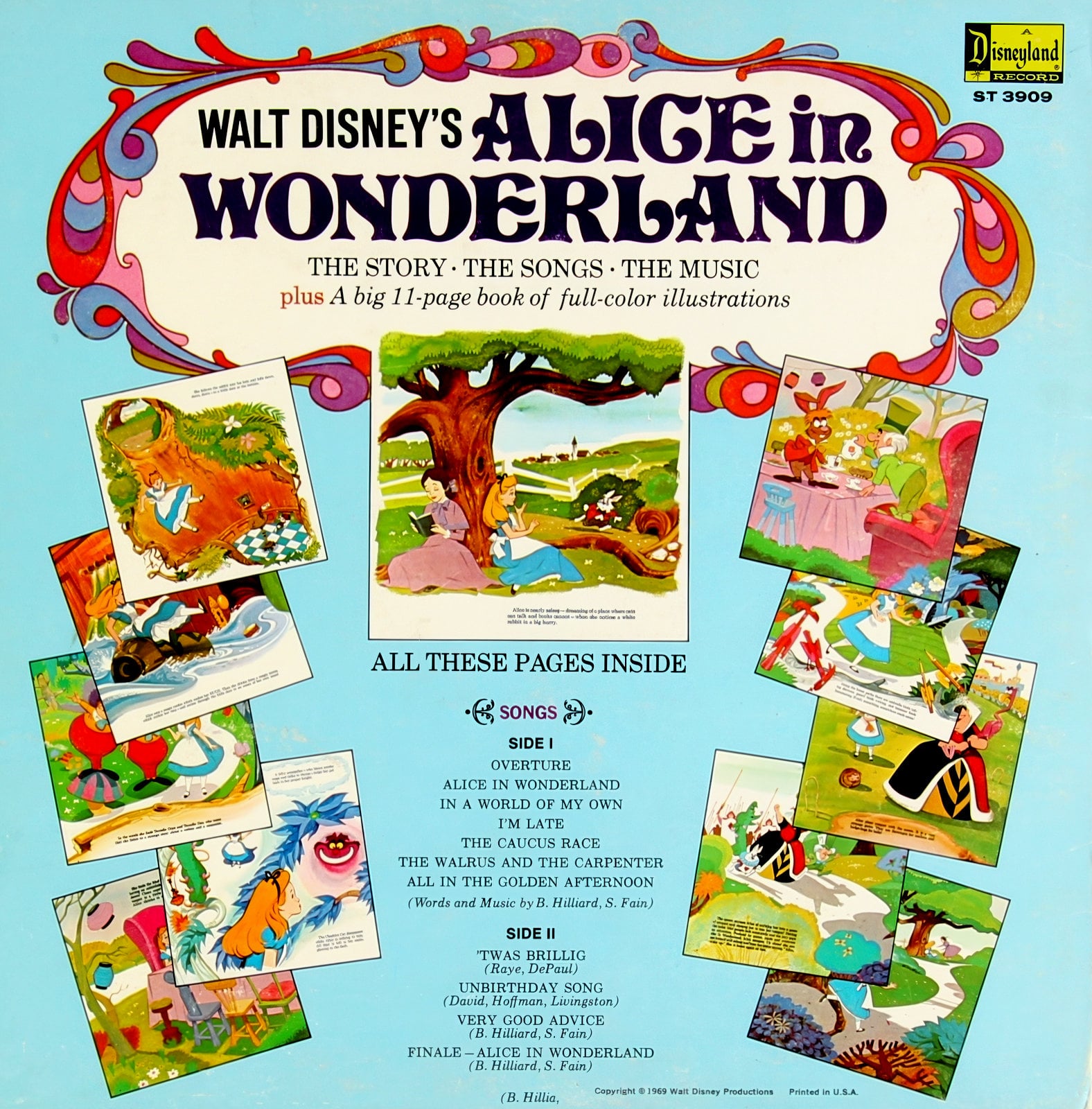
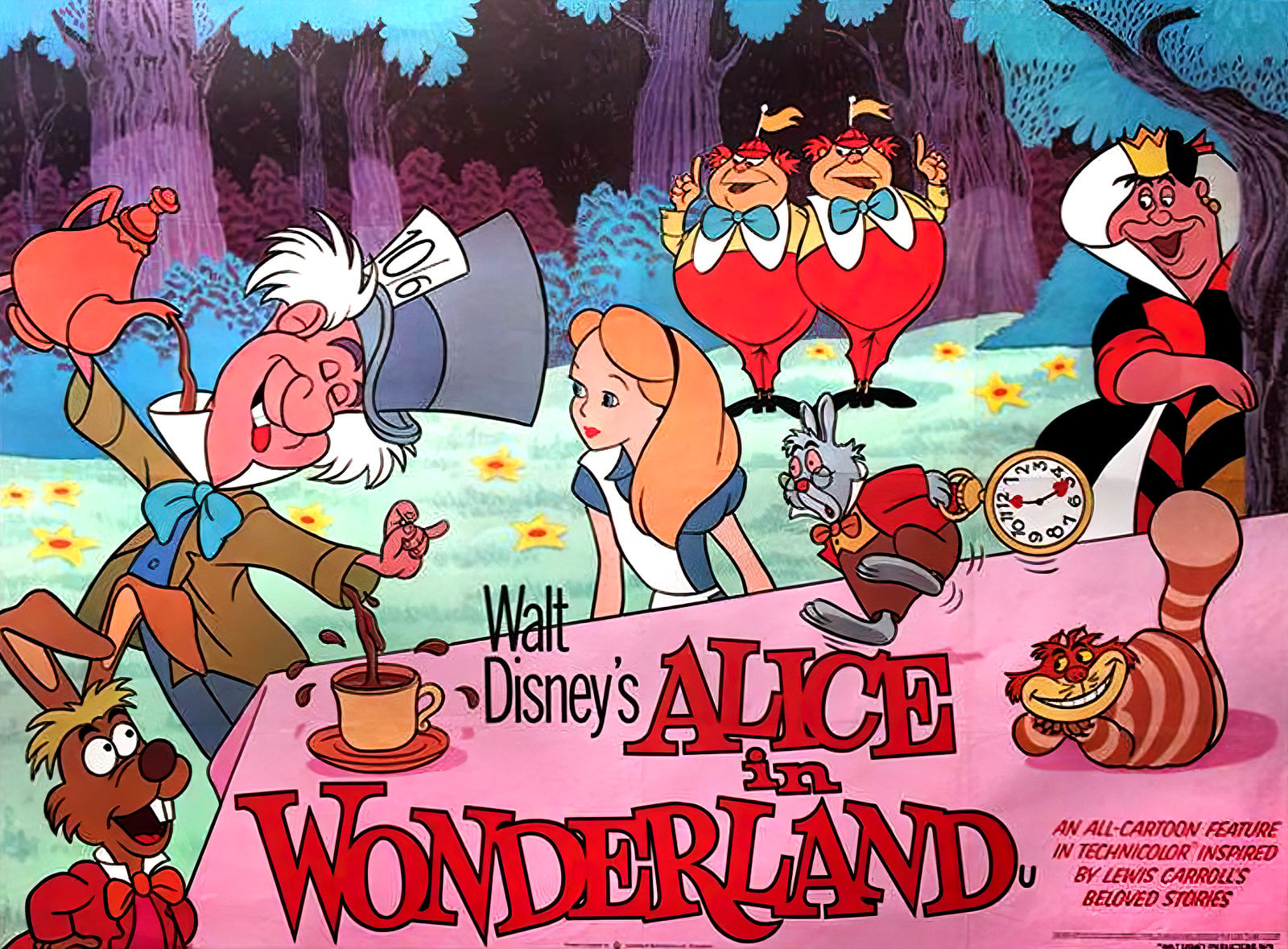
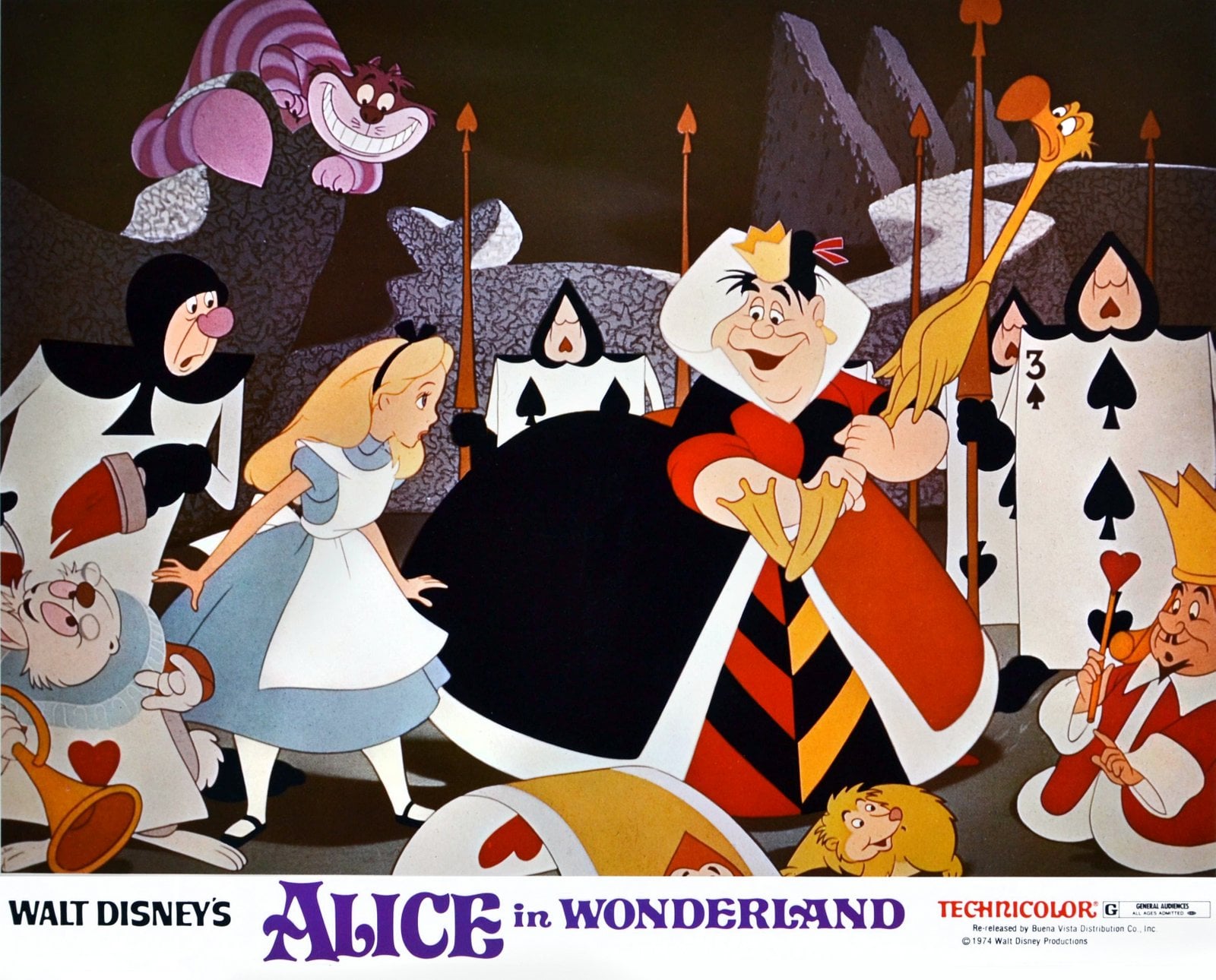
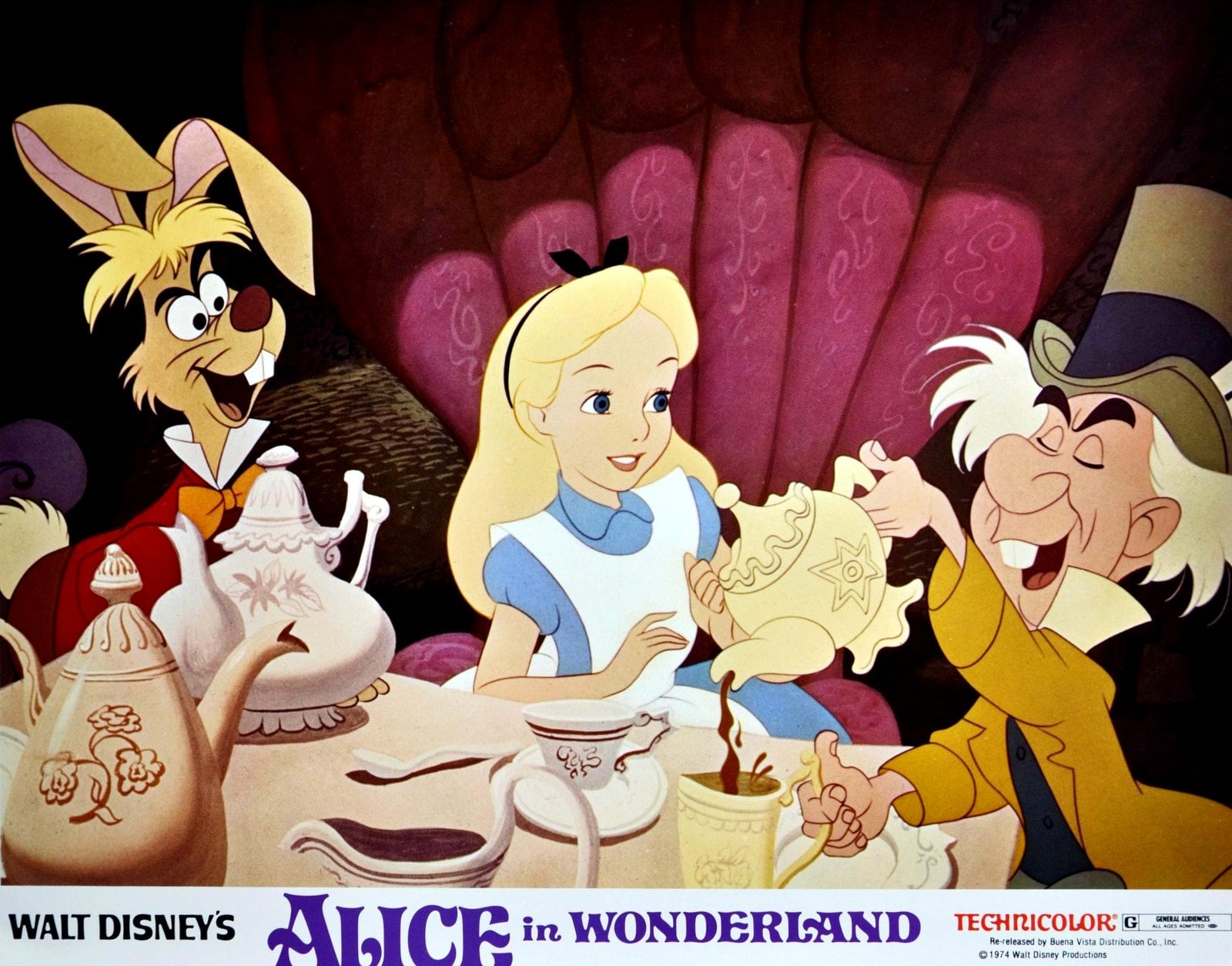
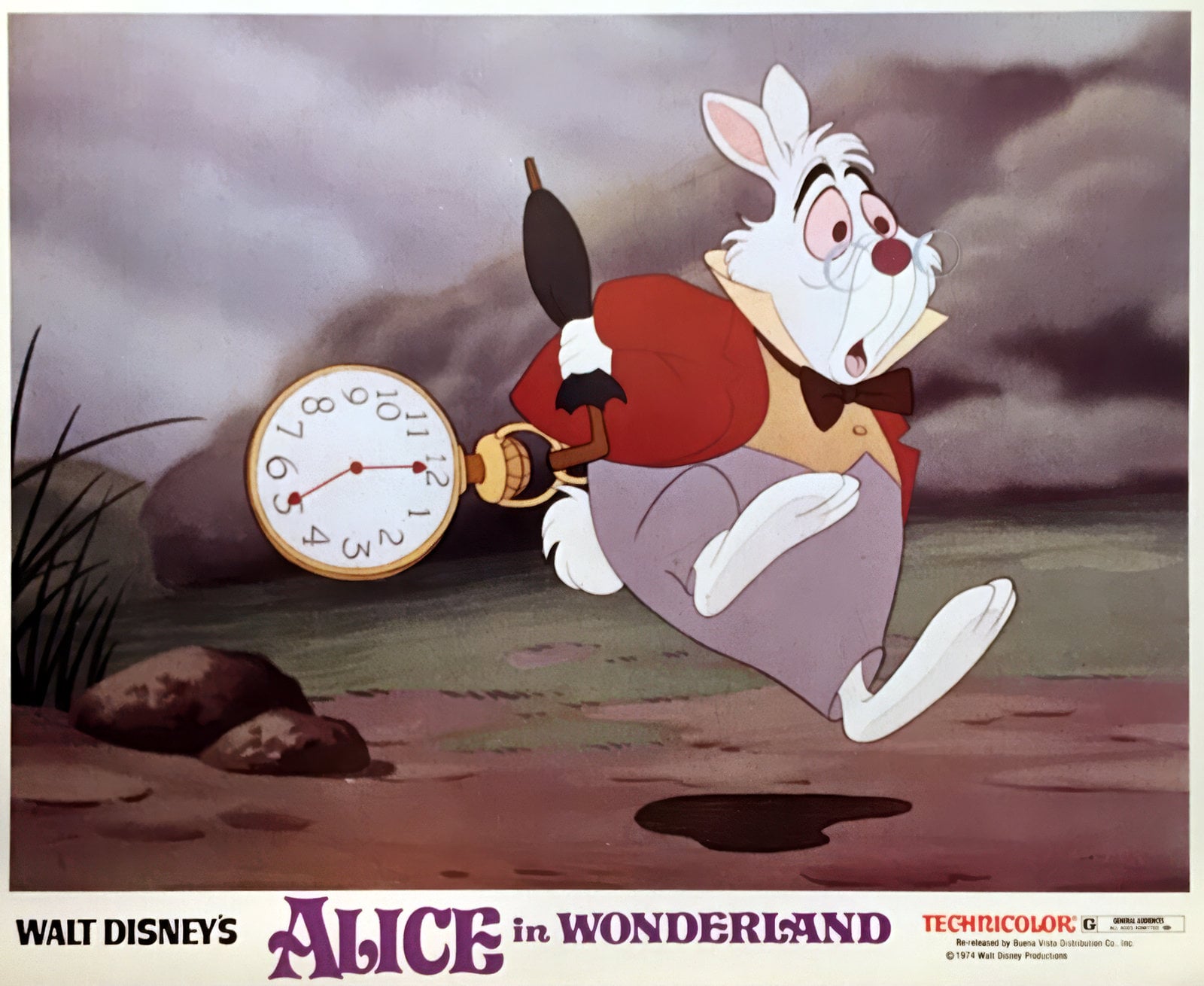
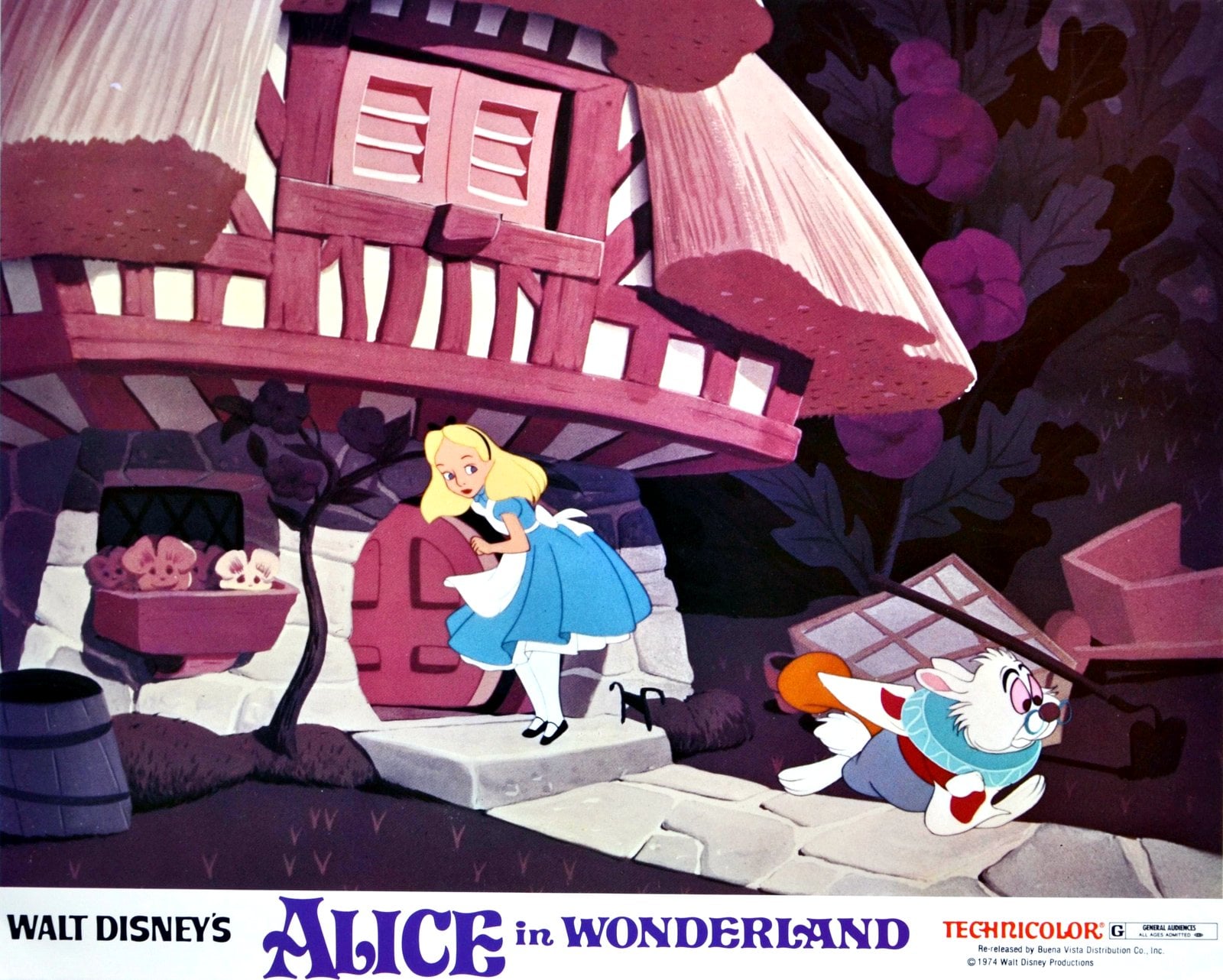
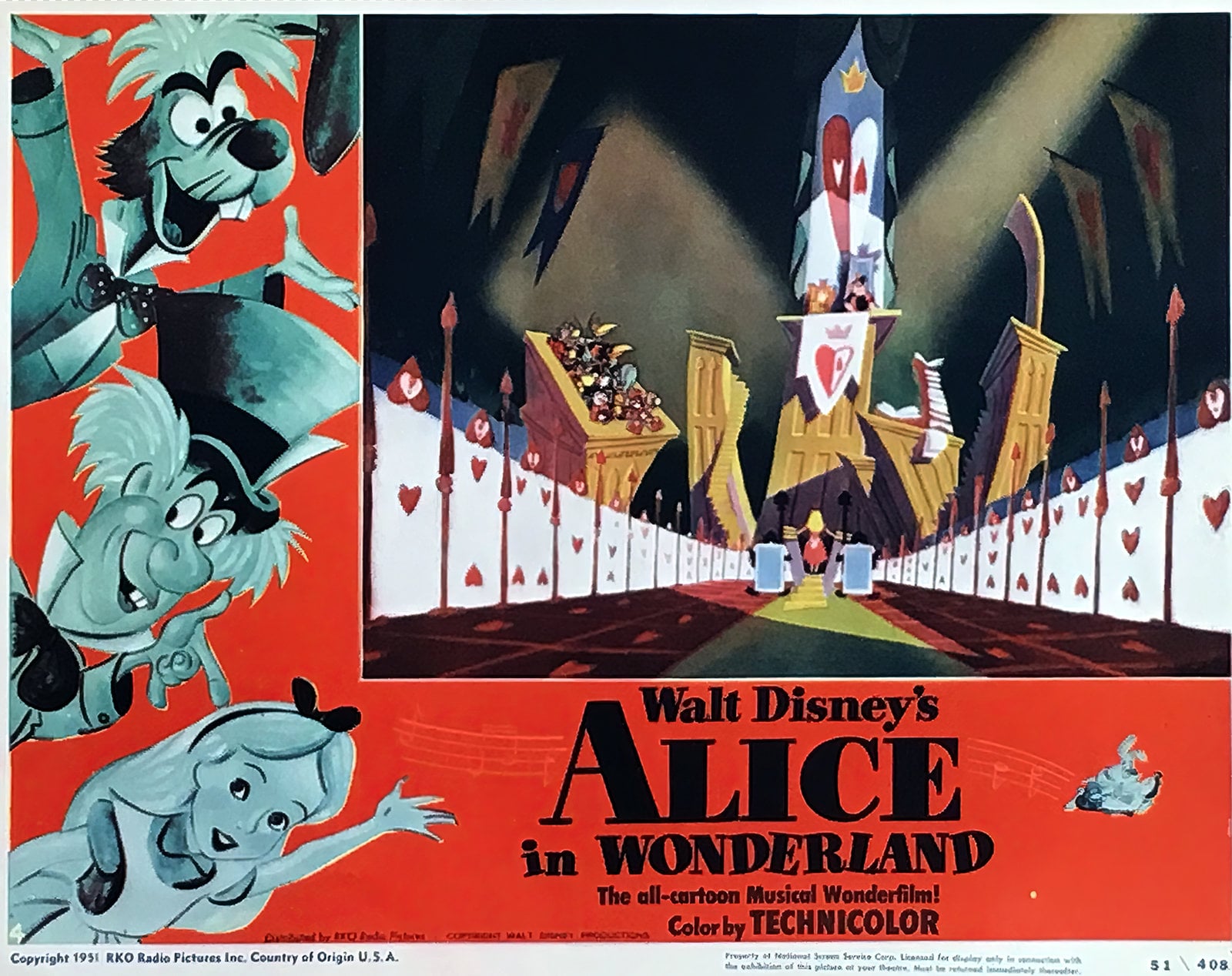
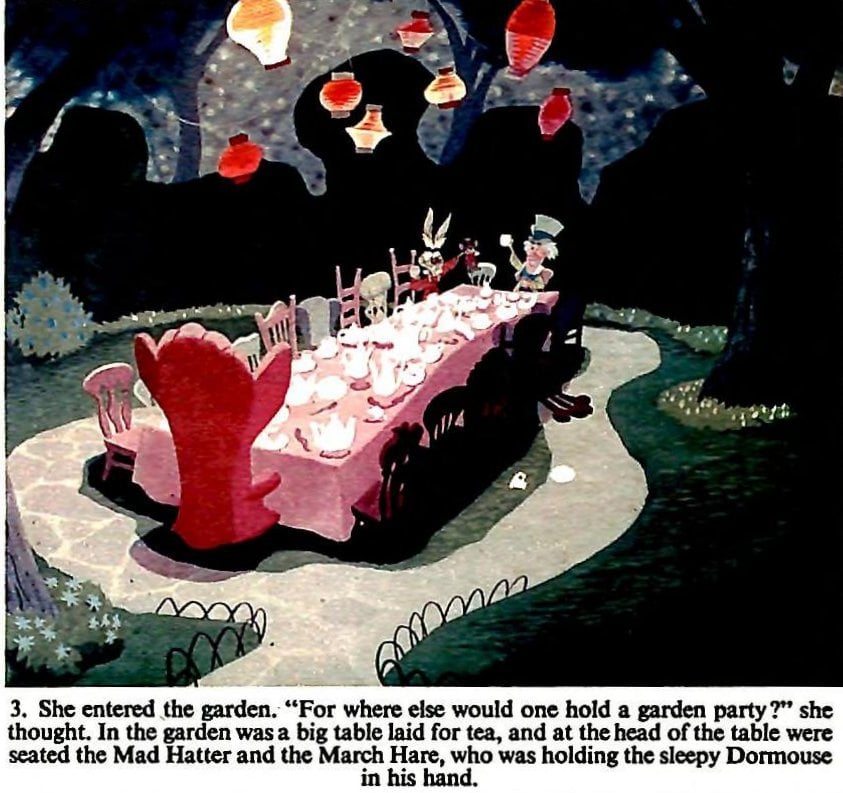
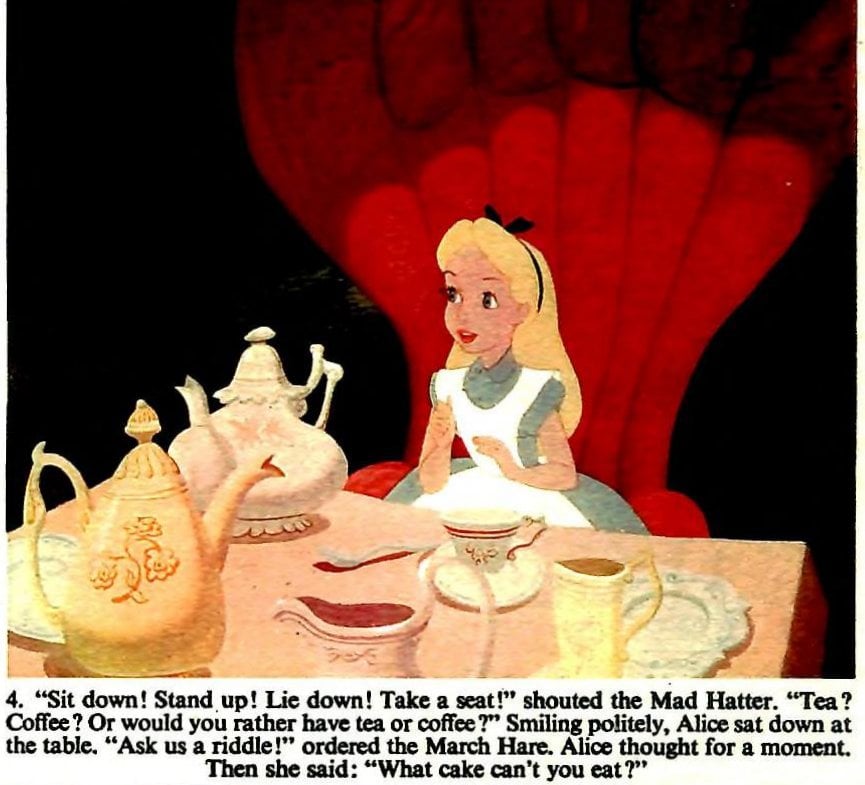
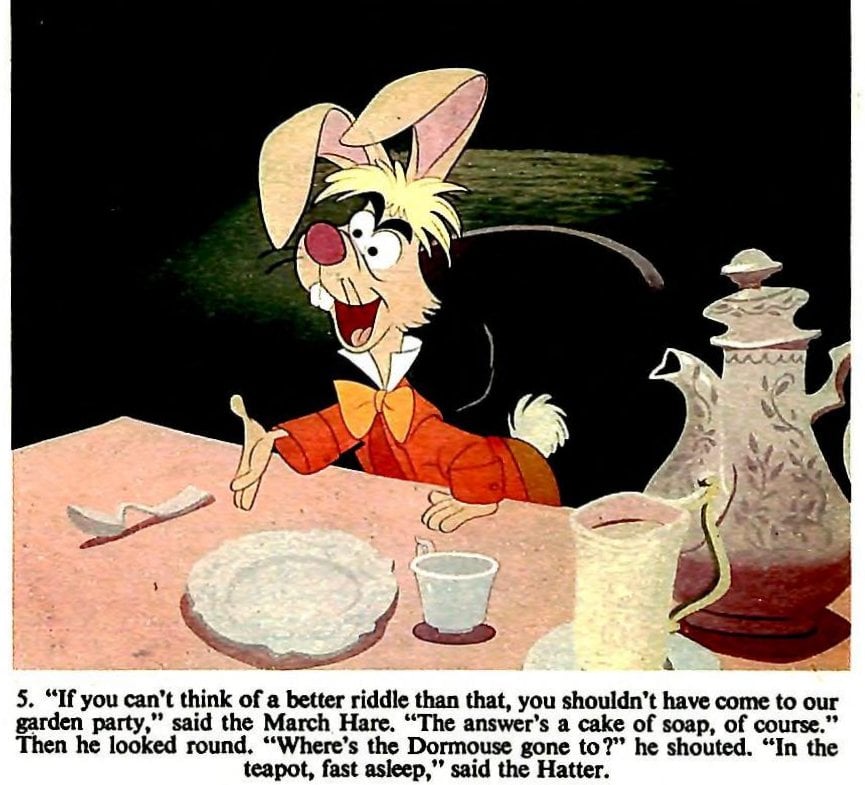
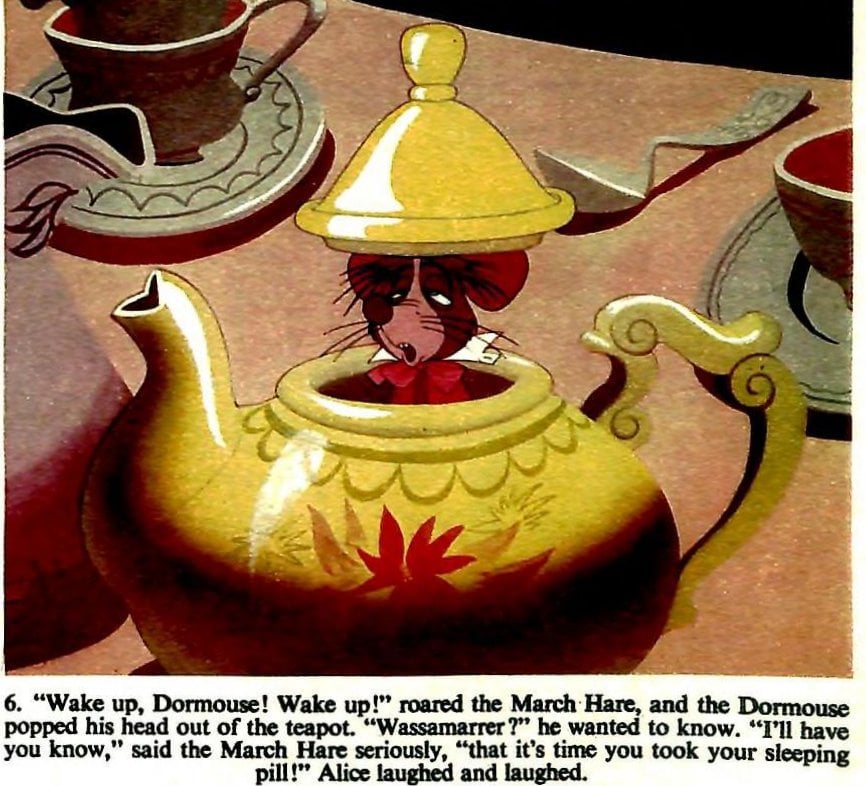
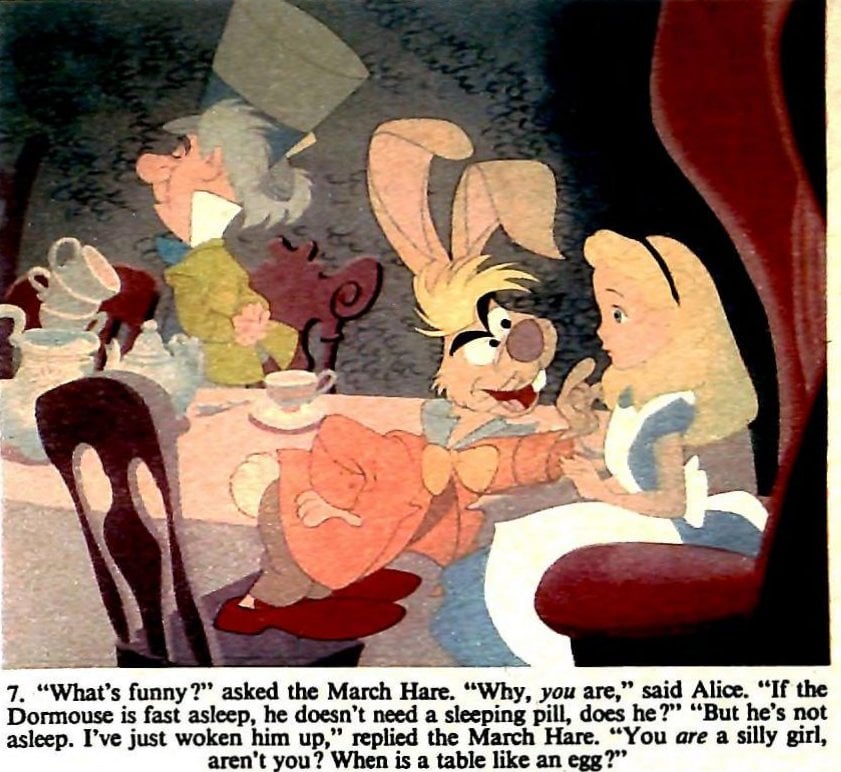
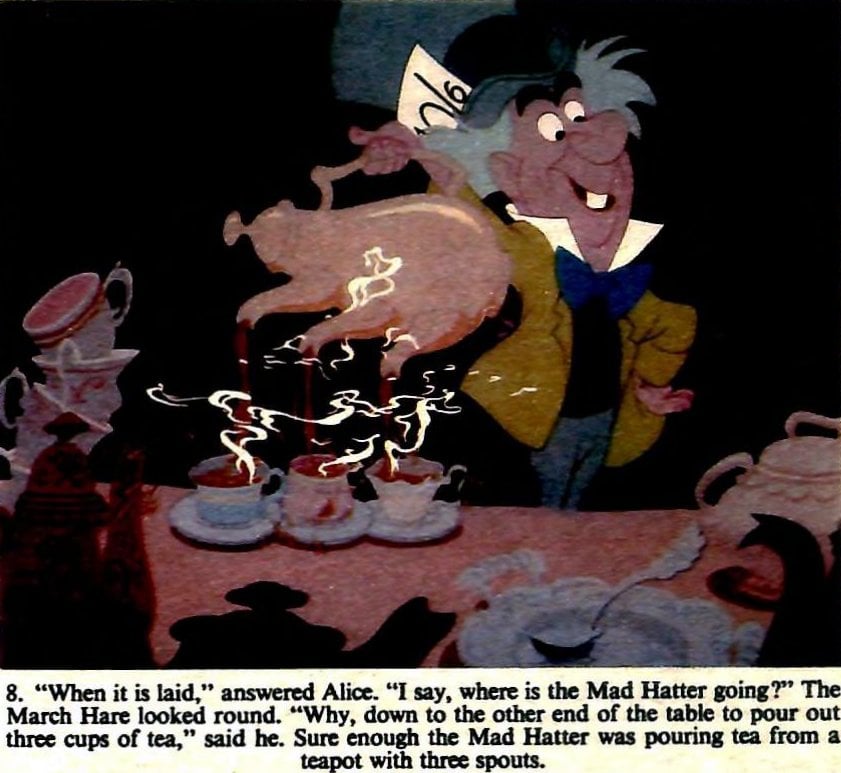
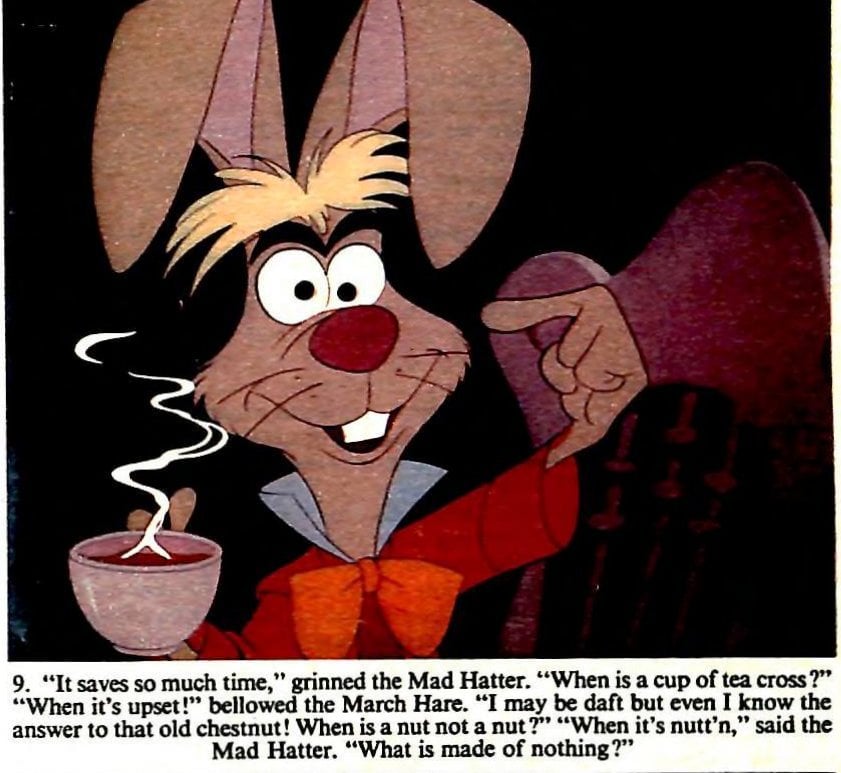
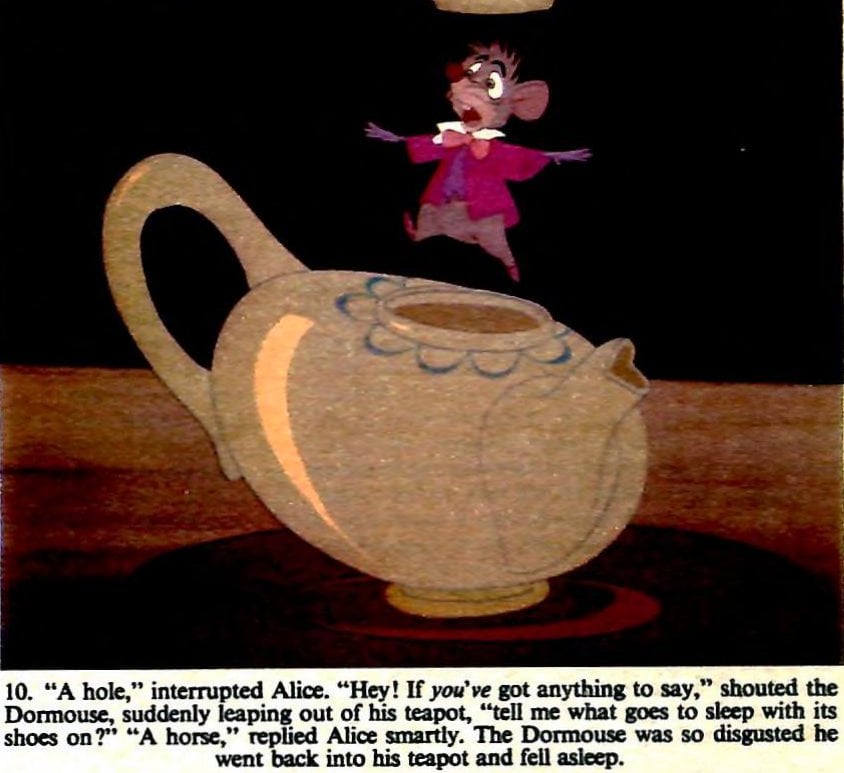
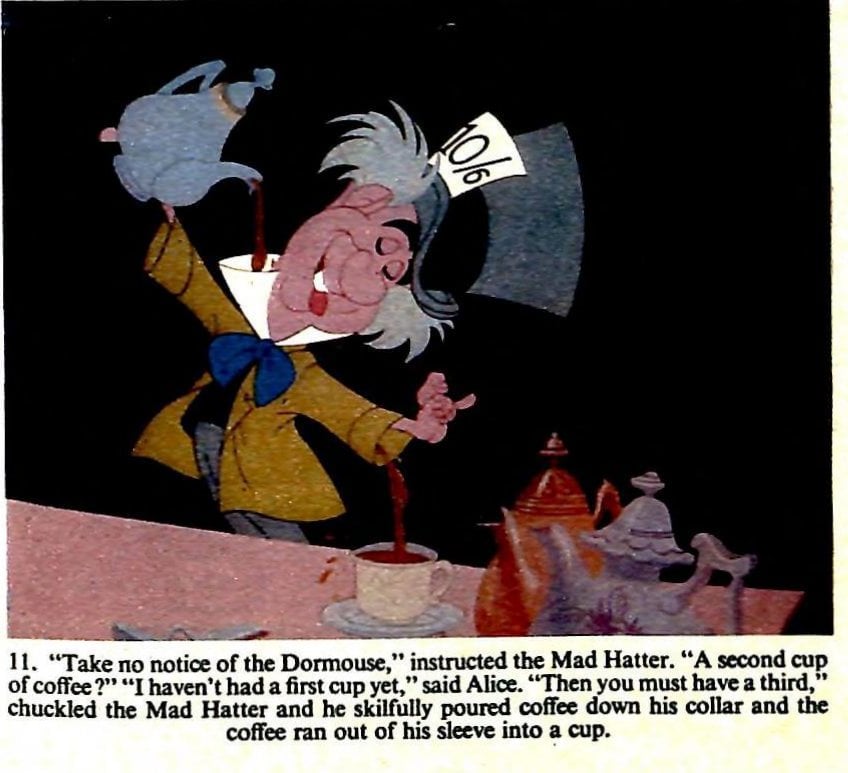
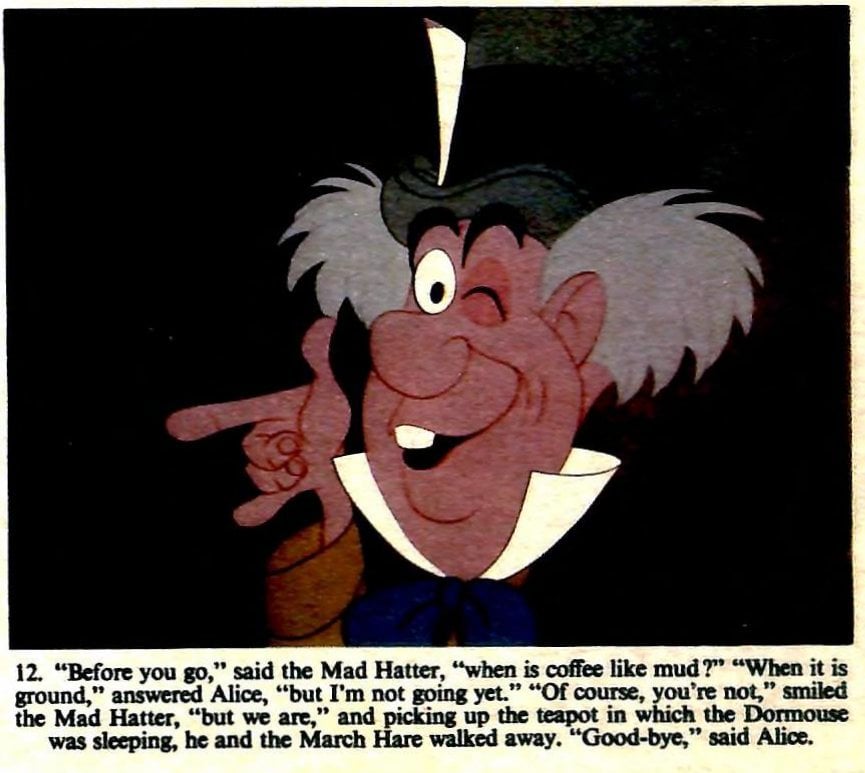
Collected below are a 1951 opening-week review calling the picture well worth a decade of effort, Cafone’s 1974 reassessment, and a 1975 spread from The Wonderful World of Disney magazine on the Mad Tea Party — along with lobby cards and stills from various points in the film’s long afterlife.
ALSO SEE: Disney’s Cinderella: The animated movie that became an instant classic in 1950
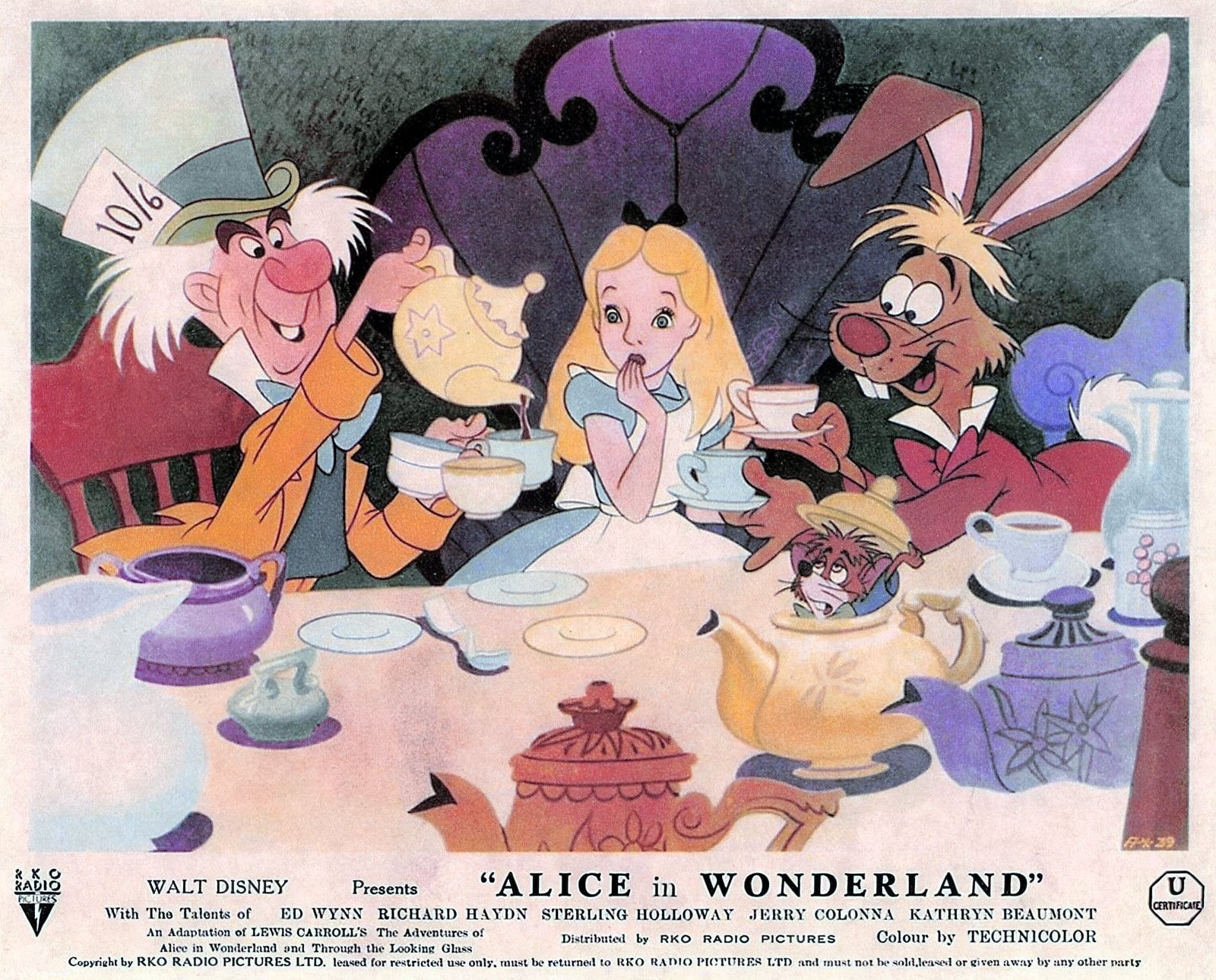
‘Alice in Wonderland’ is well worth 10 years’ work
Pete Selovich – The Daily Times (Davenport, Iowa) July 28, 1951
One warm summer afternoon in England nearly 100 years ago, a little girl named Alice Pleasance Liddell asked Lewis Carroll to tell her a story with some nonsense in it. The result was “Alice in Wonderland,” which Carroll put down on paper later at the request of friends and the story was first published in book form in 1865.
Walt Disney, who has thrilled adults and children alike in the past with “Bambi,” “Cinderella,” “Snow White and the Seven Dwarfs,” “Gulliver’s Travels,” “The Reluctant Dragon,” “Fantasia,” “Make Mine Music,” and innumerable film cartoons, now has filmed the popular nonsense story as a hilarious and tuneful all-cartoon musical in color, which opens Tuesday at the Orpheum theater.
The popularity of “Alice” through the years has proved that “a little nonsense now and then is relished by the best of men” — and Disney makes the proof positive.
“Alice” posed the biggest and most complicated animation task Disney ever undertook. Moving scenes of zany figures, human and animal, vegetable and marine, through 16 major sequences with the beloved heroine of Carroll’s epic required the greatest concentration of artists and craftsmen ever assembled in Disney’s production history.
This RKO Radio release is the first classic fantasy to which Disney has added no new characters. In adapting the Mad Hatter, the March Hare, the Walrus, the Tweedle Twins, the Cheshire Cat, Jabberwock and all the other personages of “Wonderland” to the screen, Disney adds his own magical dimension to the strange Carroll brood.
“Alice in Wonderland” was ready for release ten years after work was first started on the film rendition and almost a century after Lewis Carroll penned it.
The creation of the full-length production was necessarily long in the making because thousands of drawings were required. A live action film was first made by cameramen in which each scene for the finished picture was acted out by models. These models also provided the voices of the cartooned characters.
This film is destroyed after providing information and inspiration for the artists and never is seen by the public.
Other than the 29 major characters which had to be faithfully depicted, many had to be animated in groups with integrated off-screen voices and music and sound effects.
A master in the art of whimsy, Disney has captured faithfully the light spirit of the famed nonsense tale and brings it to the screen with all of its fanciful delights. From the moment Alice starts down the tunnel until she concludes her fabulous adventures the story moves swiftly and with hilarious absorption.
A diminutive 12-year-old English actress, Kathryn Beaumont, scores as the voice of Alice. Others who bring astounding clarity to the characters of “Alice in Wonderland” include: Ed Wynn as the Mad Hatter; Richard Haydn, the Caterpillar; Sterling Holloway, the Cheshire Cat; Jerry Colonna, the March Hare; Bill Thompson as the Dodo and the White Rabbit, and Verna Felton as the Queen of Hearts.
Pat O’Malley, veteran screen actor, is a man of many parts and provides speech for Tweedledee, Tweedledum, the Walrus, the Carpenter and the Oysters.
Young America, always eager to pick up a new fad, will have a lot of fun with the one Disney already has inspired with his screen version of the famous Jabberwocky poem, which has been set to music, in part.
‘Twas brillig, and the slithy toves
Did gyre and gimble in the wabe;
All mimsy were the borogoves,
And the mome raths outgrabe.
Baffling at first, it becomes clear with the explanation that “brillig” means four-o’clock in the afternoon; “slithy,” lithe and slimy; “toves,” something like badgers — unless they’re lizards or corkscrews — who nest under sundials and live on cheese; “to gyre,” to go round like a gyroscope; and “to gimble,” is to make holes like a gimlet, according to Carroll.
Further, the “wabe” is a grass plot around a sun-dial; “mimsy” is flimsy and miserable; “borogove” is a thin, shabby-looking bird with its feathers sticking out all around; and—well, brother, there’s more. Much more.
Disney’s interpretation of the classic follows the Tenniel drawings, which illustrated the original publication of the tale, as closely as the mechanics of animation and a changing fashion in nonsense permitted.
Whatever commentary one might offer in regard to Disney’s “Alice in Wonderland,” one thing is certain. The picture will serve to delight all personalities, all ages and all propinquities.
In short, you’ll enjoy it.
DON’T MISS! How The Little Mermaid sparked the famous Disney Renaissance (1989)
How Alice in Wonderland got a second chance in the 70s (1974)
Frank Cafone – Asbury Park Press (New Jersey) September 1, 1974
Moviegoers again have a chance to travel down the rabbit hole with the reissue of Walt Disney’s 1951 cartoon feature, “Alice in Wonderland. Children should love its irreverent silliness. Parents will appreciate its brevity (73 minutes). Those who marvel at the extremes of the imagination particularly should enjoy its psychedelic madness.
Despite its apparent popularity. “Alice” is about the most widely criticized of all Disney’s animated features. The critics include Disney himself, and ‘”Alice” is the only full-length cartoon to which the producer admitted dissatisfaction.
Disney’s disappointment becomes understandable when “Alice” is compared to his previous animated efforts. Such a comparison also provides a view of Disney’s own high standard of excellence.
The cartoonist should have realized from the start that “Alice in Wonderland” just didn’t fit his success formula. Although it may fill the bill as a literary classic, Lewis Carroll’s story of the little girl who steps into a nonsense world lacks the potential for dramatic development which was so magnificently fulfilled in other Disney efforts.
The most compelling Disney cartoons achieve their melodramatic greatness by deploying a struggle between good and evil Disney often personified these forces by Puning innocents against witches, an arrangement found in his first cartoon feature, “Snow White and the Seven Dwarfs,” and repeated in some of his most outstanding works including “Sleeping Beauty” and “101 Dalmations.”
Carroll did not provide “Alice” with such a struggle. She is simply a stranger ina strange land. The only Wonderland denizen who comes close to Disney’s collection of wicked females is the Queen of Hearts. But she appears too late in the story to have any influence on the course of events. Nor is there any hint of a satanic connection. as there was with “Sleeping Beauty’s” Maleficent and “Dalmatians'” Cruella De Vil.
For that matter, Alice hardly personifies the Disney conception of good. She’s pretty. like Snow White. But in depicting the character created by Carroll, Disney shows Alice to be haughty, self-righteous, disrespectful and lazy. That’s hardly the type of person for whom a Disney prince would slay a dragon.
The absence of dramatic conflict wasn’t the only thing which confounded the Disney success formula. Another thing which Disney must have found especially damning was the lack of freedom “Alice” afforded Disney’s so-called “Imagineers.”
Some of Disney’s best cartoon works are based on fairy tales with small casts are on tales which have several versions. Such circumstances allowed Disney writers to improve their stories by adding new characters or by enlarging the importance of obscure ones. In both cases, audiences are given fresh supporting characters who often are involved in useful subplots.
In “Pinocchio” Jiminy Cricket was added to personify the puppet’s conscience and gave a whole new dimension to the tale. In “Cinderella,” Disney made the slave girl’s evistence a litthe brighter and more tuneful by having her befriended by singing mice…
But because of the political satire inherent in “Alice in Wonderland,” Disney could add no such characters to the Carroll work, lest he be accused of confusing the author’s intentions. Disney wasn’t too successful here either. Instead of confusing characters and symbols, Disney obscures their purposes.
When tackling the Wonderland books, careful reading and historical knowledge is required if one is to figure out exactly what 19th century European social situation or roval family is being satirized by Tweedledum and Tweedledee or the Mad Hatter’s tea party.
Disney diminishes the chances of such interpretation to nearly zero by having Alice converse with these characters in song Thus, before a moviegoer is to figure out the satire, he must first figure out Disney’s swiftly sung lyrics.
Thus, Disney apparently had forsaken “Alice’s” satirical values and attempted to capitalize on its pure nonsense for entertainment. It only works to a degree, and a very low one in comparison to the other stories Disney actually improved.
Technical problems also plague Alice. Although its animation is marvelous when compared to what passes for cartoons on Saturday morning television today. “Alice in Wonderland” is stiff compared to the smoothness which is characteristic of Disney cartoons preceding it.
There is good reason for this, however, “Alice” was made in the inflation-prone postwar years. Production costs were high and corners had to be cut. The expense of natural animation was too much to bear and Disney cartoons became jumpier as prices jumped higher.
It was at this time that Disney began concentrating his major effarts on wildlife documentaries such as “The Living Desert” which won him higher acclaim at a lower price.
“Alice” was something of a failure in the music department, too. None of its many songs became especially popular. This must have been a real disappointment to a man who made cartoons which won multiple Academy Awards for their music alone.
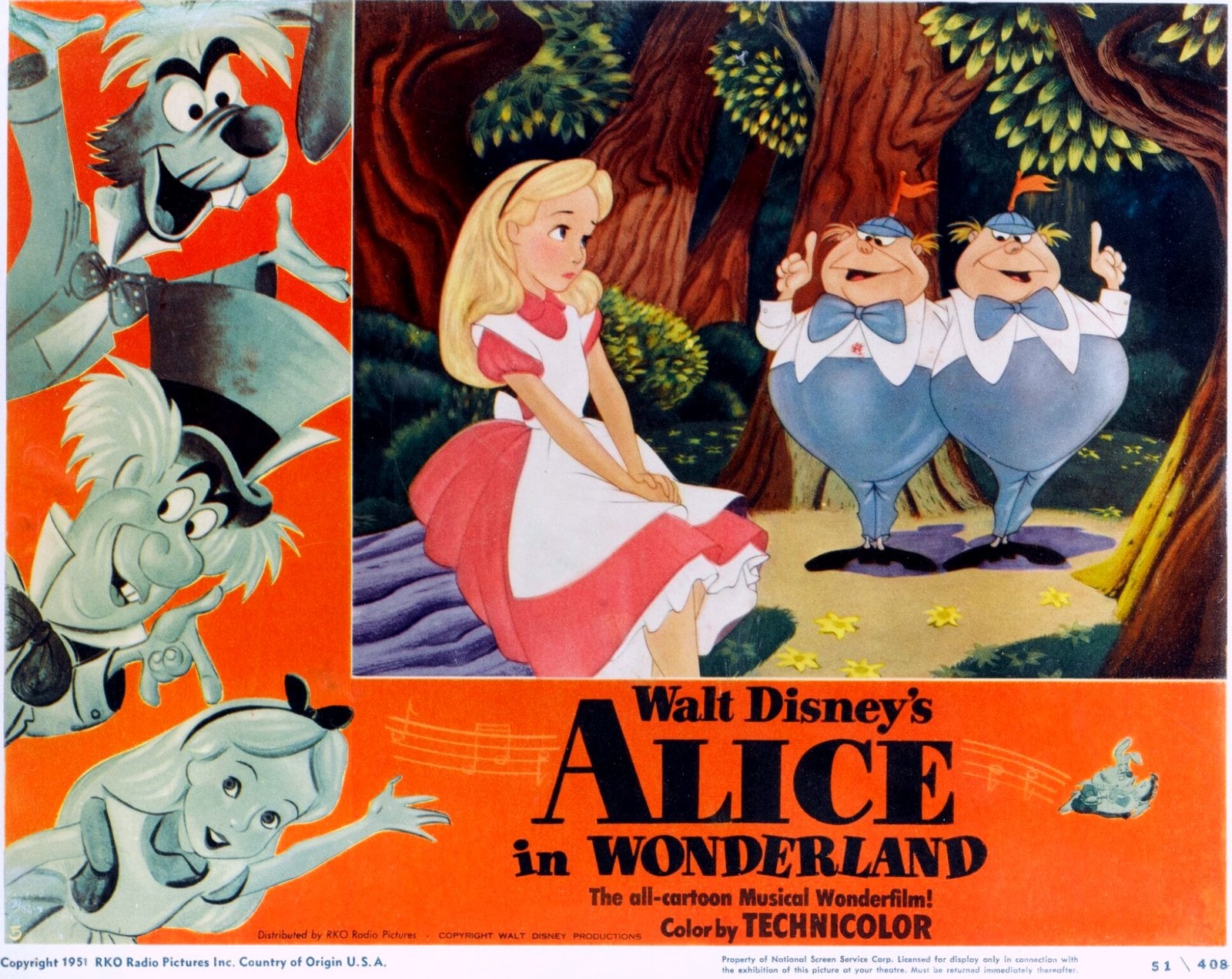
Disney was disappointed in ‘Alice in Wonderland’
But the unkindest cut of all was provided by Carroll himself. Wonderland, it turns out, is all a dream to Alice. She simply wakes up in a real world where there are no Cheshire cats and talking flowers.
To Disney, this must have been a cop out. In none af his other films are there such gratuitous explanations for the improbable. Mary Poppins really descends upon a London family and then woes away. Even at the end of “Peter Pan” we are led to believe the Darling children really went to Never Never Land.
The dream ending is the final betrayal of the Disney formula which is based on the assumption that the impossible is possible. It was a mistake Disney regretted but one which he did not make again.
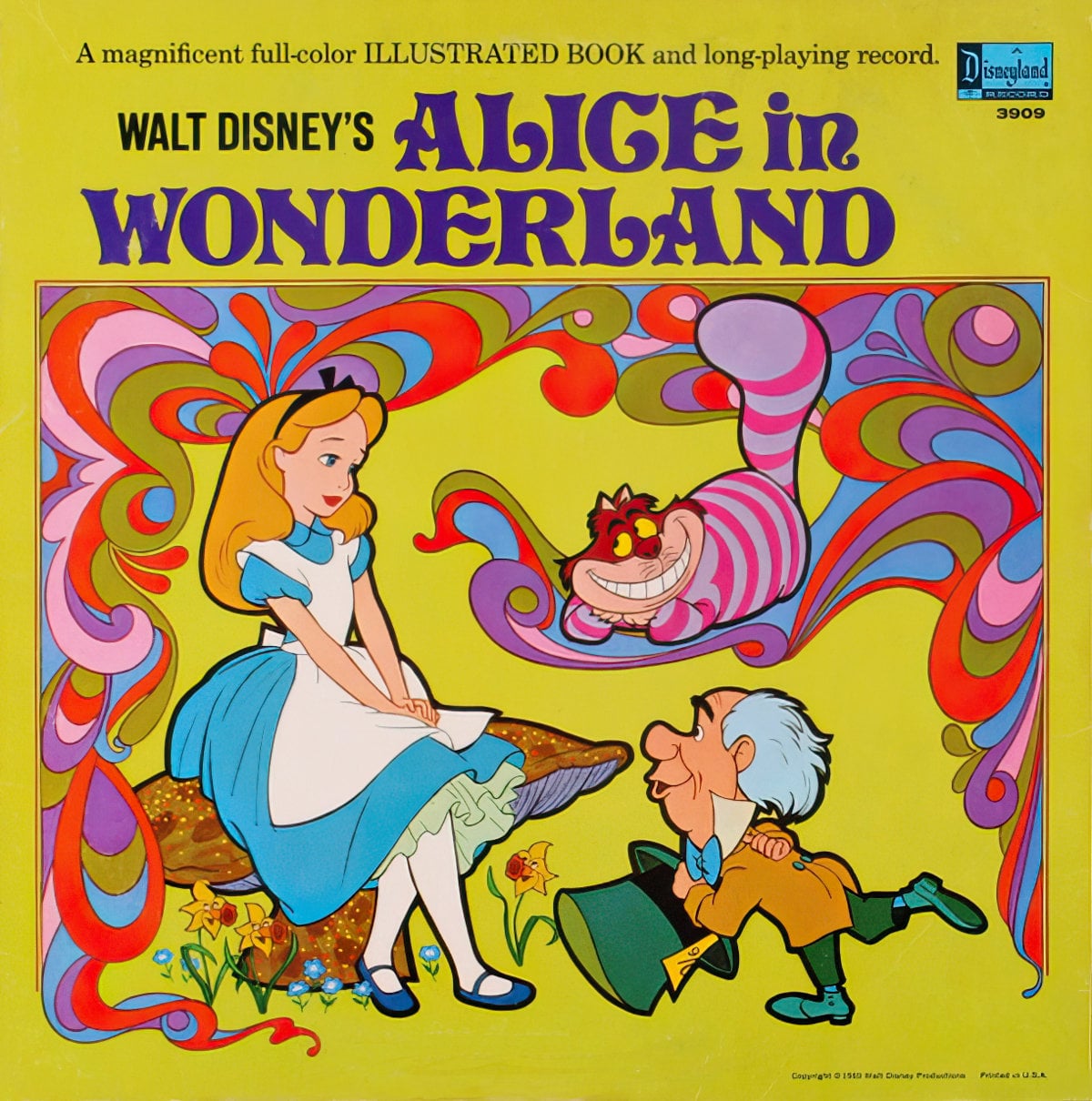
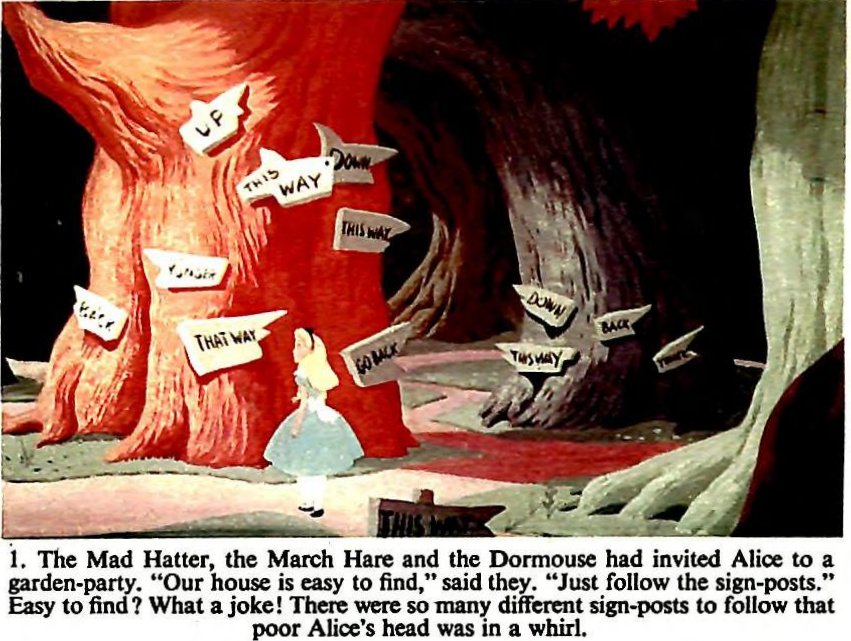
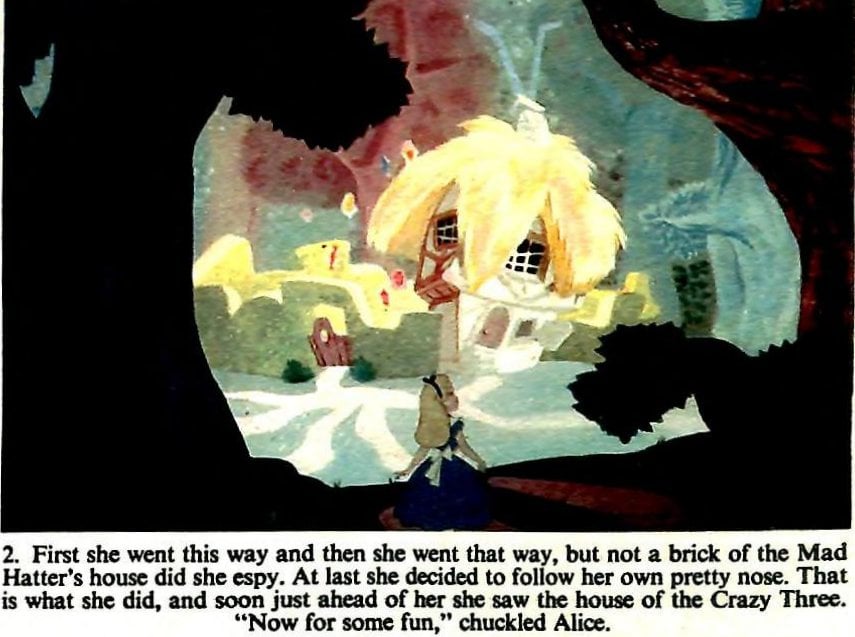
It’s a mad mad mad mad mad tea party! (1975)
From The Wonderful World of Disney magazine #8 (1975)
NOW SEE THIS: Snow White and the Seven Dwarfs: Disney’s audacious movie bet that launched the golden age of animation in 1938