

 Roughly 156,000 Allied troops came ashore on a 50-mile stretch of Normandy coast on June 6, 1944, in what remains the largest seaborne invasion ever attempted.
Hours before they did, another (roughly) 13,000 American paratroopers were already on the ground in the dark — Captain Chester “Chet” Graham of the 508th Parachute Infantry Regiment among them, hanging in an apple tree outside the small Norman village of Le Port Filiolet. Graham was the grandfather of ClickAmericana’s founder, Nancy J. Price, and the D-Day diary excerpt below is his own account of his first hours on the ground.
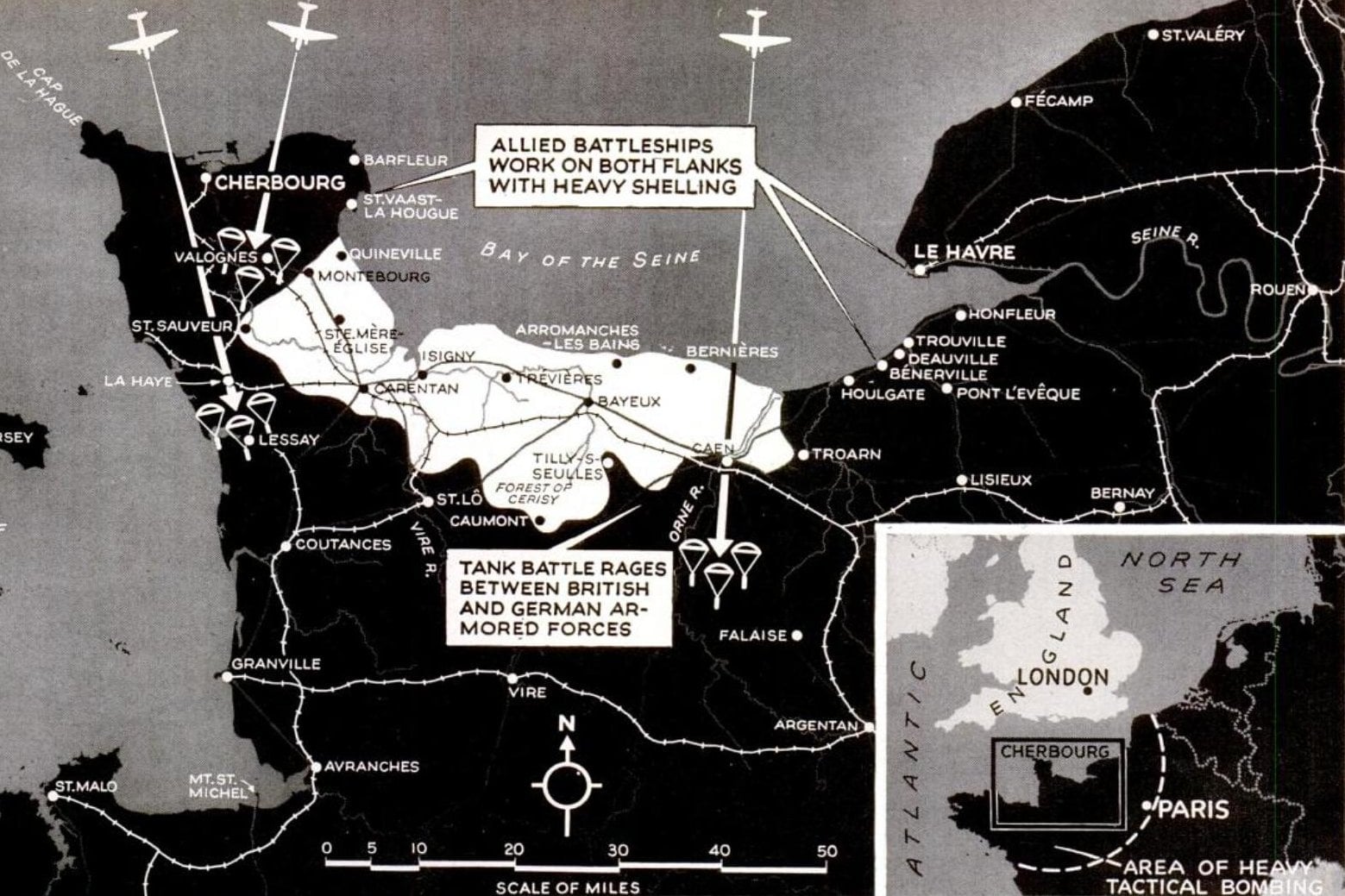
D-Day was the opening day of Operation Overlord, the Allied plan to retake Western Europe from German occupation. Coordinated under General Dwight D. Eisenhower as Supreme Allied Commander, it had been in the works for two years. The “D” came from Army planning shorthand — “D-Day” meant the day an operation kicked off, and “H-Hour” the time — and this particular D-Day got the name for keeps.
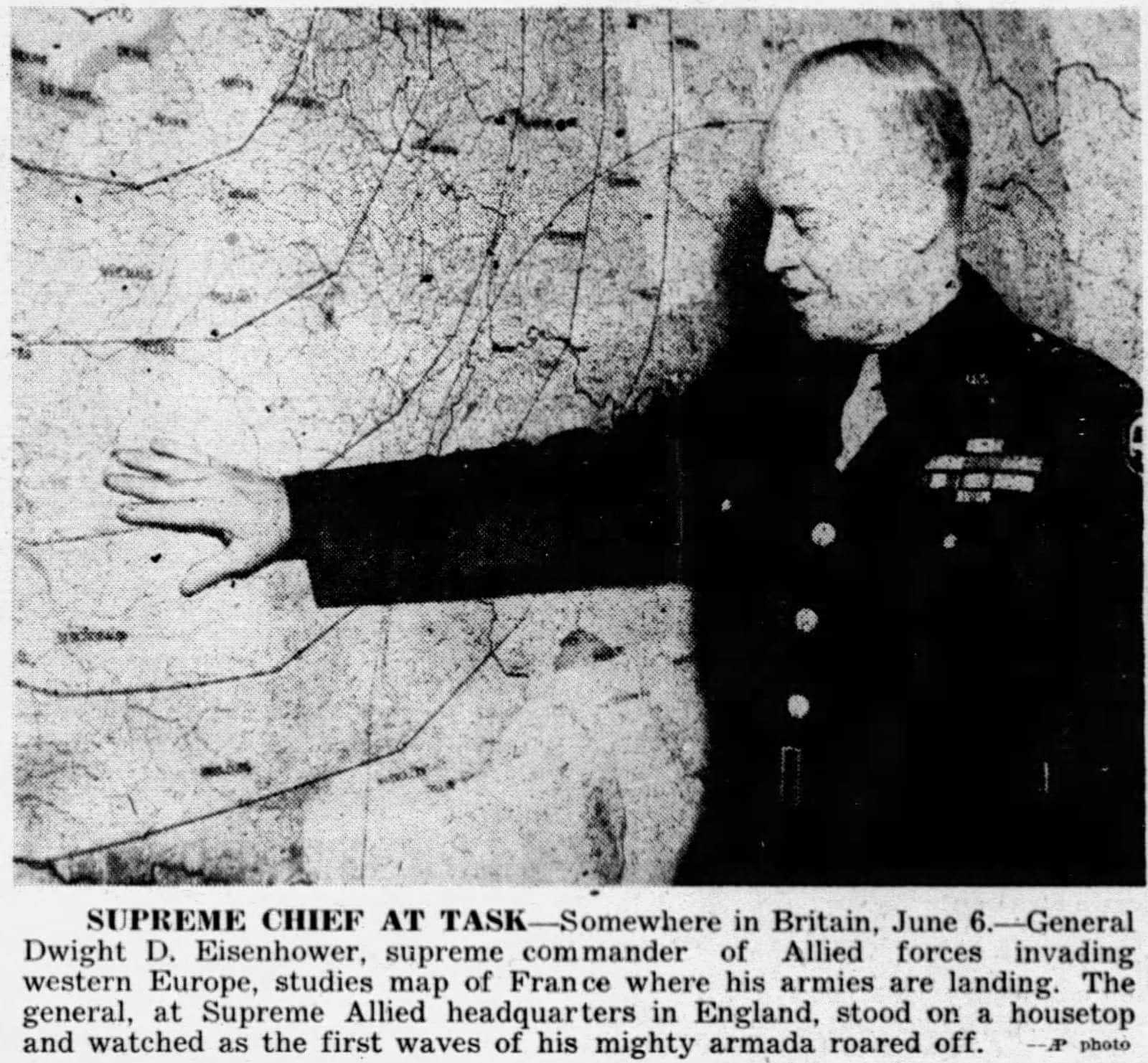
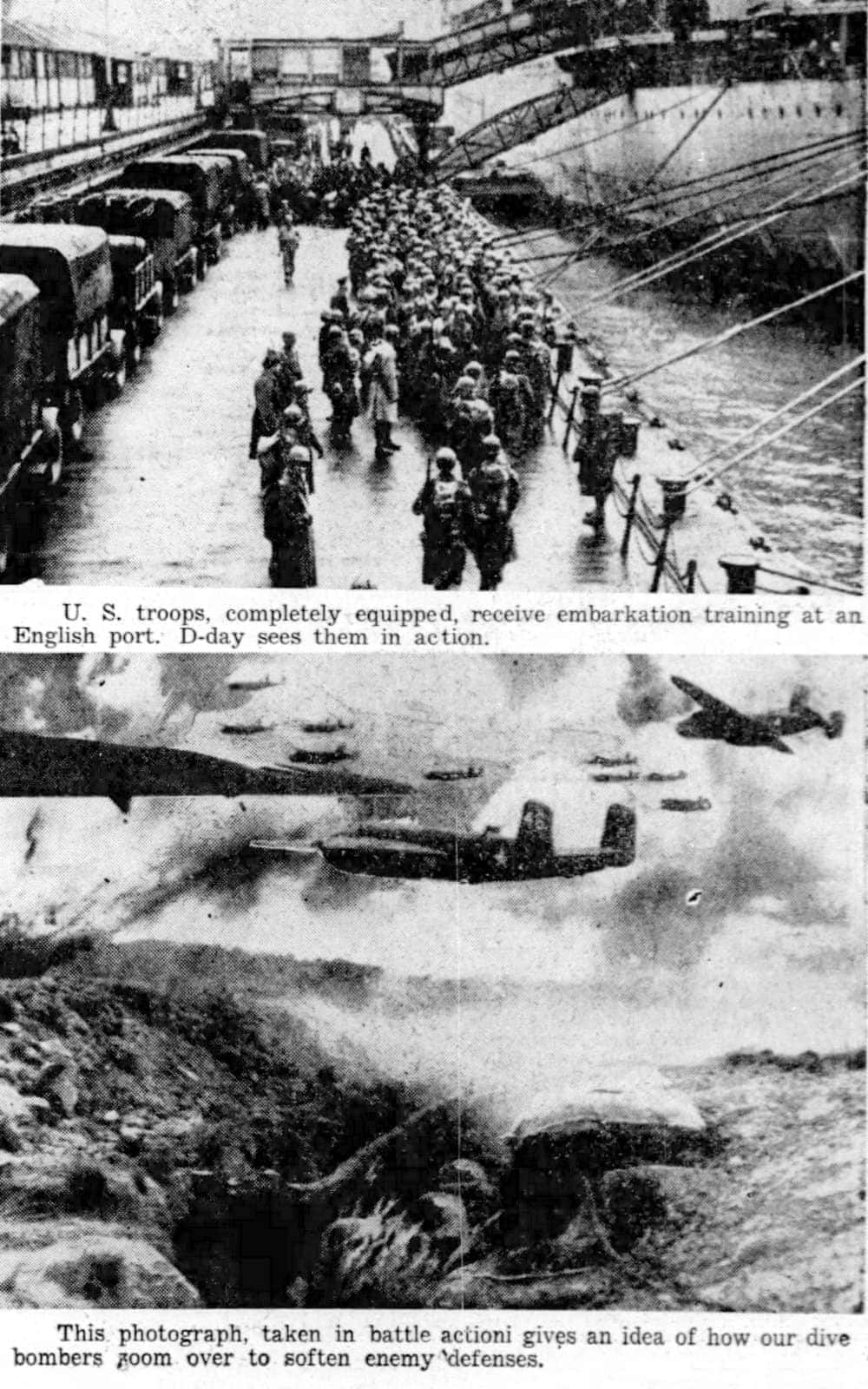
The invasion was originally set for June 5 and pushed back 24 hours by foul weather. Eisenhower made the final go call early on June 5 after Group Captain James Stagg’s meteorologists spotted a brief break in the storms. Some 5,000 ships and 11,000 aircraft supported the operation, along with two prefabricated harbors known as the Mulberries, towed across the Channel in pieces and assembled off Arromanches and Omaha.
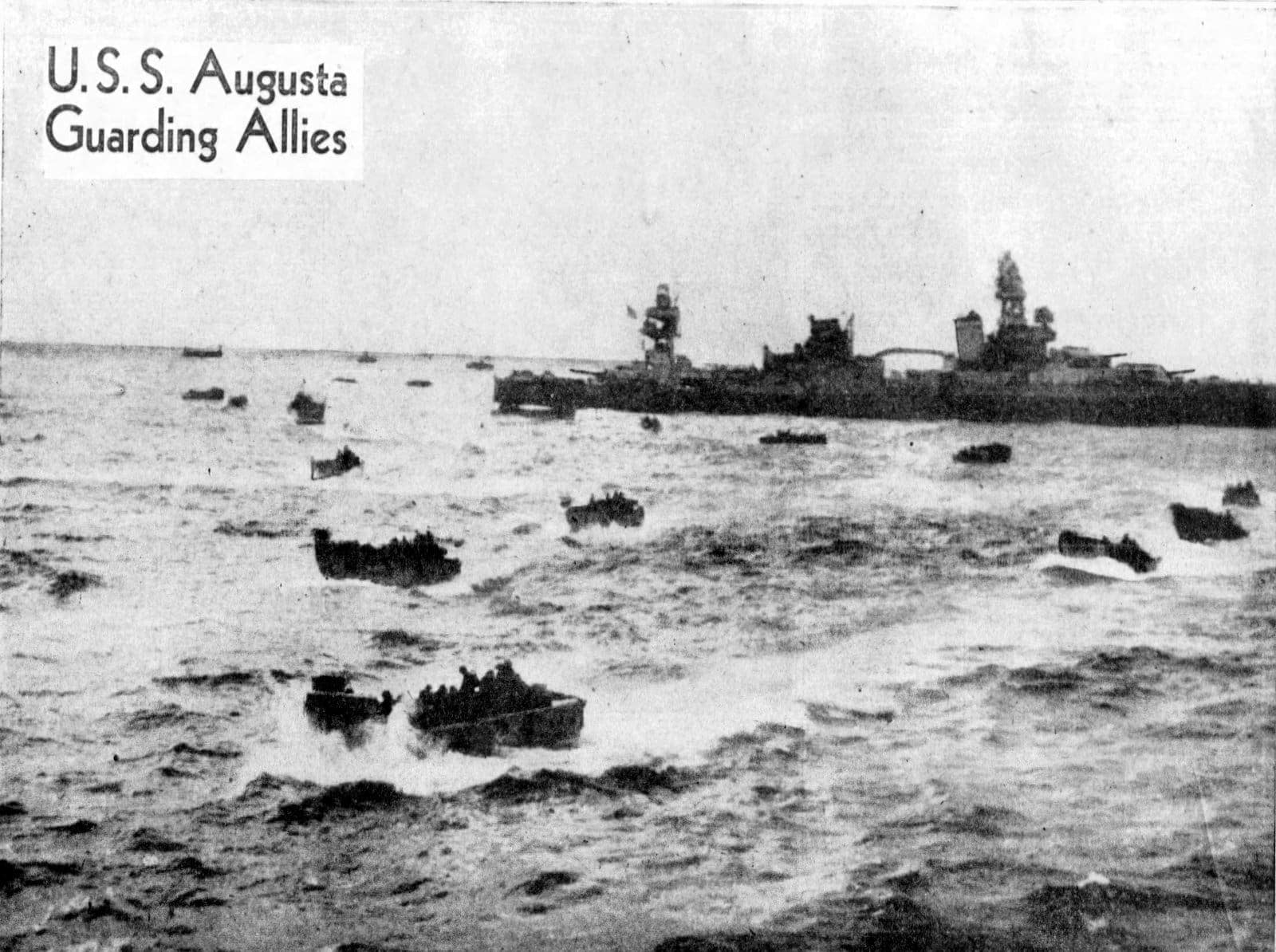
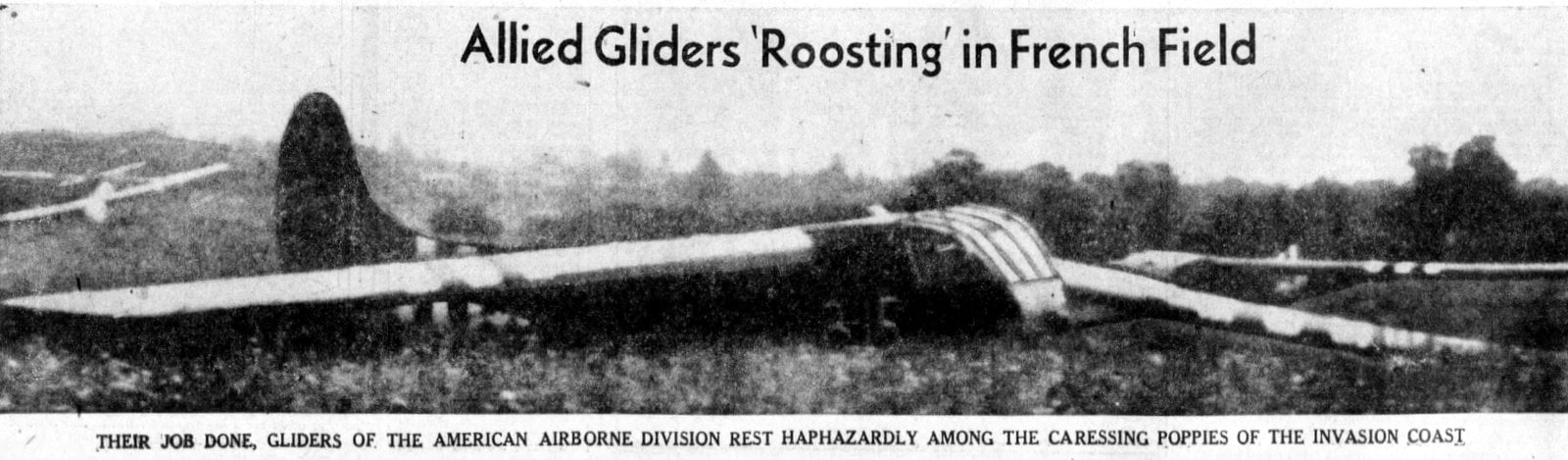
The airborne troops jumped first. Roughly 13,000 Americans from the 82nd and 101st Airborne Divisions, plus about 7,000 British airborne, came down behind the German coastal defenses to seize causeways and river crossings so the seaborne troops would have a way off the sand. Cloud cover and German flak scattered the drops badly, and many men landed miles from where they were supposed to.

Graham’s regiment, the 508th, was part of the 82nd, and he came down on the Cotentin Peninsula well off his drop zone. By morning he had gathered roughly 80 men of his battalion and linked up with Lieutenant Colonel Thomas Shanley’s group of about 120 more.
The beaches played out very differently from each other. Utah, where U.S. troops came ashore, went relatively well thanks in part to a navigation error that put landing craft in a less-defended sector. Omaha was the bloodiest — the 1st and 29th Infantry Divisions took heavy fire from cliff-top bunkers and lost roughly 2,000 men in a single morning. The British and Canadian sectors — Gold, Juno and Sword — saw hard fighting too, particularly Juno. By nightfall on June 6, Allied dead were estimated at around 4,400, with thousands more wounded or missing.
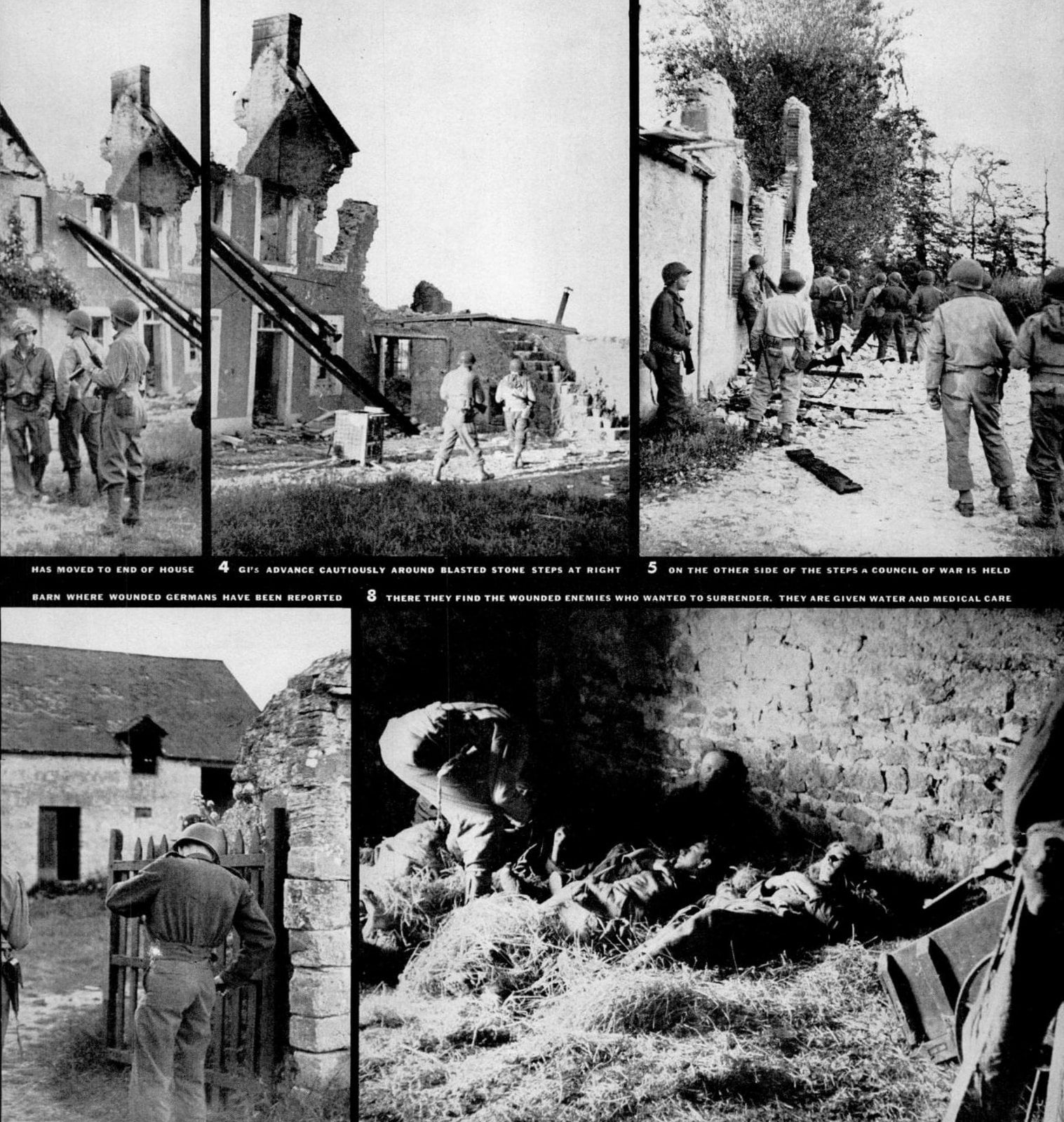
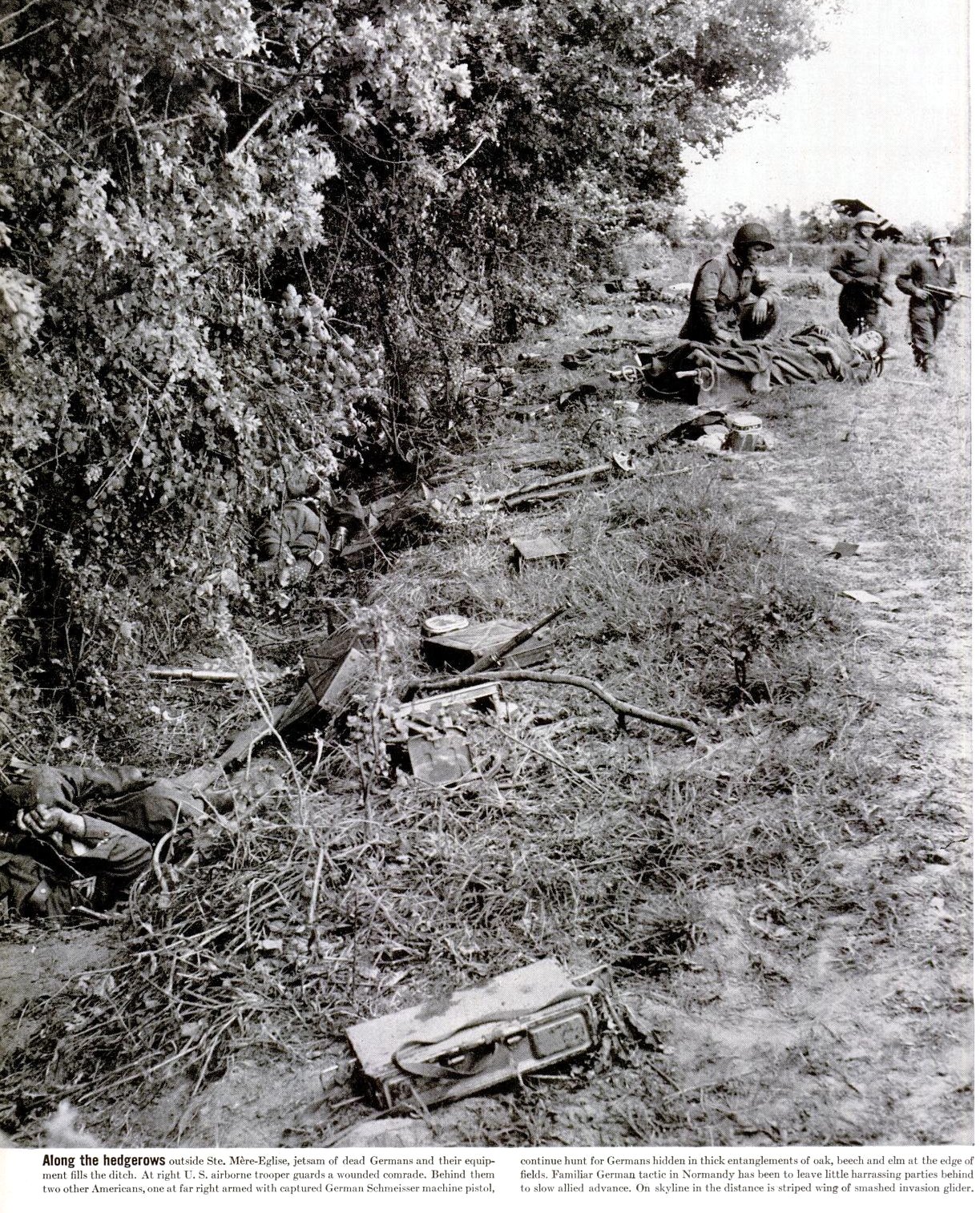
Inland, the fighting ground on for weeks. Beyond the coast lay the bocage — Normandy’s centuries-old hedgerows, dense earth banks topped with tangled trees that turned every field into its own small fortress and slowed the Allied advance to a crawl.
Graham and Shanley’s combined force was ordered to take and hold Hill 30, the high ground commanding a major road junction and a causeway across the Merderet River, and the men spent days short of supplies of every kind — which is where the diary’s exchanges with a local Norman farmer come in.
Cherbourg, the deepwater port the Allies needed for resupply, fell on June 27 after a brutal three-week push. Operation Cobra cracked the German line at Saint-Lô in late July, the Falaise Pocket closed around the German 7th Army in mid-August, and Paris was liberated on August 25 — less than three months after the first paratrooper hit the ground.
Graham went back to Normandy many times in the decades that followed, and stayed close with the French farming family whose well had given his men drinking water on Hill 30 — their stone farmhouse, now more than 300 years old, still stands in the same spot.
In 2009, France made him a Chevalier de la Légion d’Honneur, an honor the country has extended to thousands of surviving Allied D-Day veterans, particularly around the 60th and 75th anniversaries.
His firsthand account, excerpted below from a biography he wrote in his later years, runs alongside archival photographs from the Normandy invasion and contemporary newspaper reports of the landings collected on this page
D-Day diary: Prologue
Lieutenant Colonel Thomas Shanley was originally commander of the 2nd Battalion 508. After he was injured, Lt. Colonel Mark Alexander took over. When Alexander was, in turn, injured, Captain Chester Graham became the new battalion commander and led the attack on Hill 95 in Normandy.
Later, Corporal George Shenkle said, “I know that Chet Graham, although he held the rank of captain, was the most senior officer available to lead the attack that fortunately was successful although his efforts were never appreciated by Col. Lindquist (commander of the 508), for he removed Chet for being insubordinate. I find that later General Gavin was able to correct that situation to Chet’s appreciation.”

Normandy, France
On D-Day June 6, 1944, after the jump, my group of approximately 80 men met with Colonel Shanley’s group of about 120 men on the outskirts of the town of Picauville. He and Major Shields Warren decided that Picauville was too heavily defended and would be too much to try to capture with just 200 men.
They contacted Colonel Lindquist by radio, who told them to move to Hill 30 and hold it. Hill 30 was the high ground in the area, and from it they could control a major road junction and the causeway across the Merderet River.

At 2400 hours on D-Day, the 200-man force was split into two columns with Shanley leading the left column and Warren the right. Lieutenant George Miles and I were to bring up the rear.
On the way to Hill 30, Miles and I went behind some trees to relieve ourselves when a shot was fired, and Miles was hit in the groin. A medic checked him and said it was too serious a wound to move him and might be fatal if he was moved. So the medic injected a shot of morphine into him to ease the pain, and he was left there with two canteens of water. (Two days later we recovered Miles.)
ALSO SEE: Behind-the-wall account of D-Day invasion (1944)
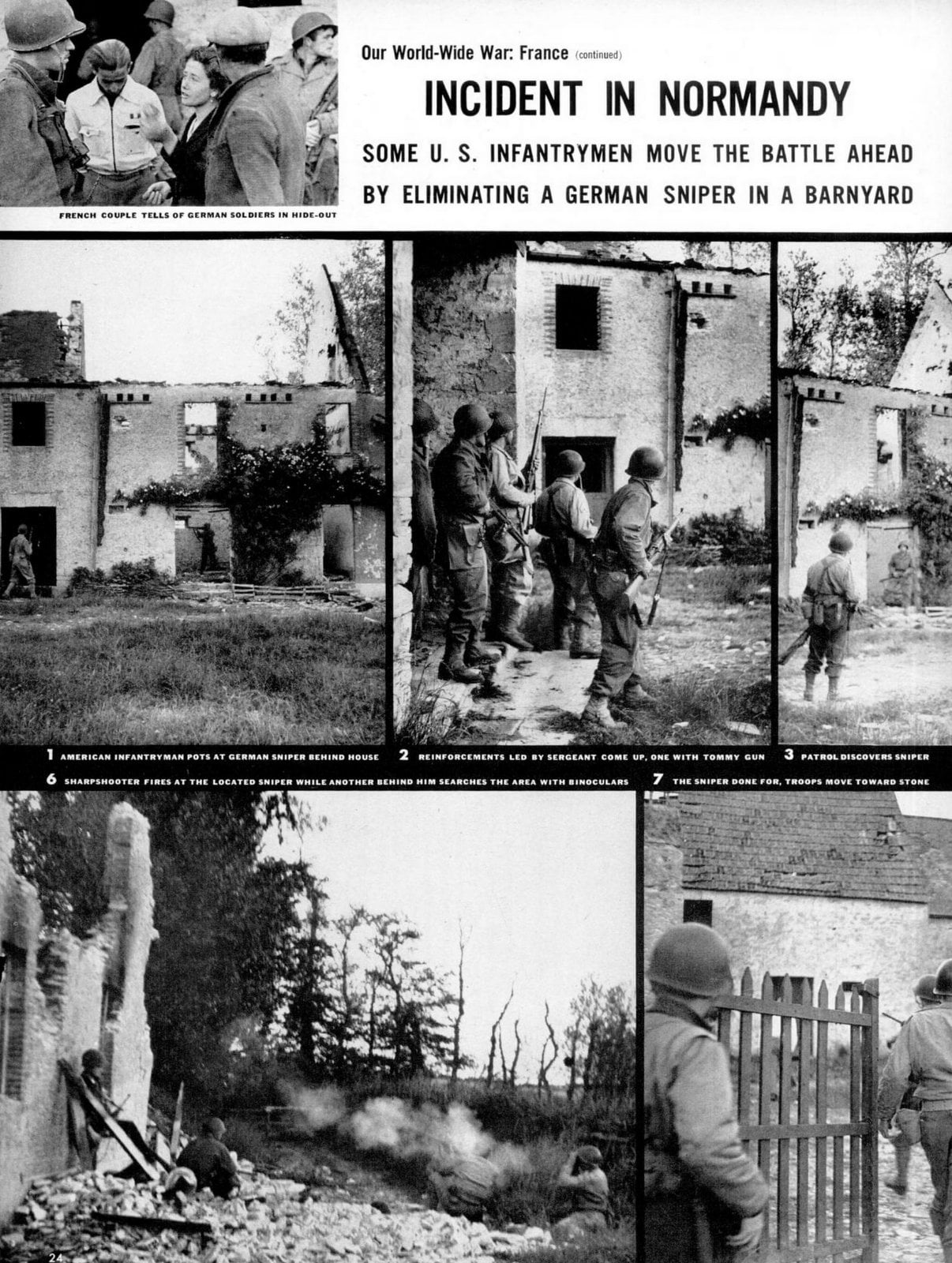
On Hill 30, we were short of all kinds of supplies, including water. I remembered that a farmhouse where I landed had a well with an old-styled pump and handle. We asked the farmer if we could draw some drinking water from his well, and he agreed, providing that we filled our canteens only during the night. He said that the German patrols were active in the area during the day, but not at night.

I came to know the family that lived in that farmhouse after the war. The farmer’s name was Georges M____. On one visit to Normandy after the war, I stopped by to see that family to thank them for letting us use their water, and I asked the owner how dangerous it was for him and his family during the Normandy invasion.
He smiled and pointed to a nearby newly-built house and said, “One of your men left a torch (flashlight) in the old house that was standing there, and when the Germans found it, they burned the house to the ground and killed the lady who lived there. Oh yes, it was very dangerous!”
Georges M____ is a good friend of mine, and I see him every time I go to Normandy. He and his wife and family are good people and they always invite me to dinner whenever I visit. Their two-story house is built of sturdy stone blocks and is 300 years old.
Monsieur M’s father was shot and killed on June 10, 1944 by a man who joined our company just before the invasion. He “wanted to see if he could shoot a man.” What a tragedy!







2 Responses
Chet Graham was my company commander in Normandy. I was a squad leader
in the 81mm mortar platoon. I did not land near Chet and the rest of my
company and spent the first few days in Normandy fighting in Timmes Orchard
with members of the 507 PIR rather than my 508 group. I believe their are
not many of us left of Chet’s old company. Zane Schlemmer, the platoon sergeant
of the 81mm platoon died recently.
THIS WAS AN EXCELLENT ARTICLE. I WILL NEVER FORGET THE BRAVE MEN AND WOWEN WHO SERVED. EVERYTIME I PUT THE AMERICAN FLAG UP IN FRONT OF MY HOUSE I REMEMBER THEM.
PLEASE LET ME KNOW HOW I CAN GET A COPY OF THIS ARTICLE WITH PHOTOS
I ALWAYS ENJOY CLICK AMERICANA