

Victorian home glory days: See the grand Detroit mansions that defined an era
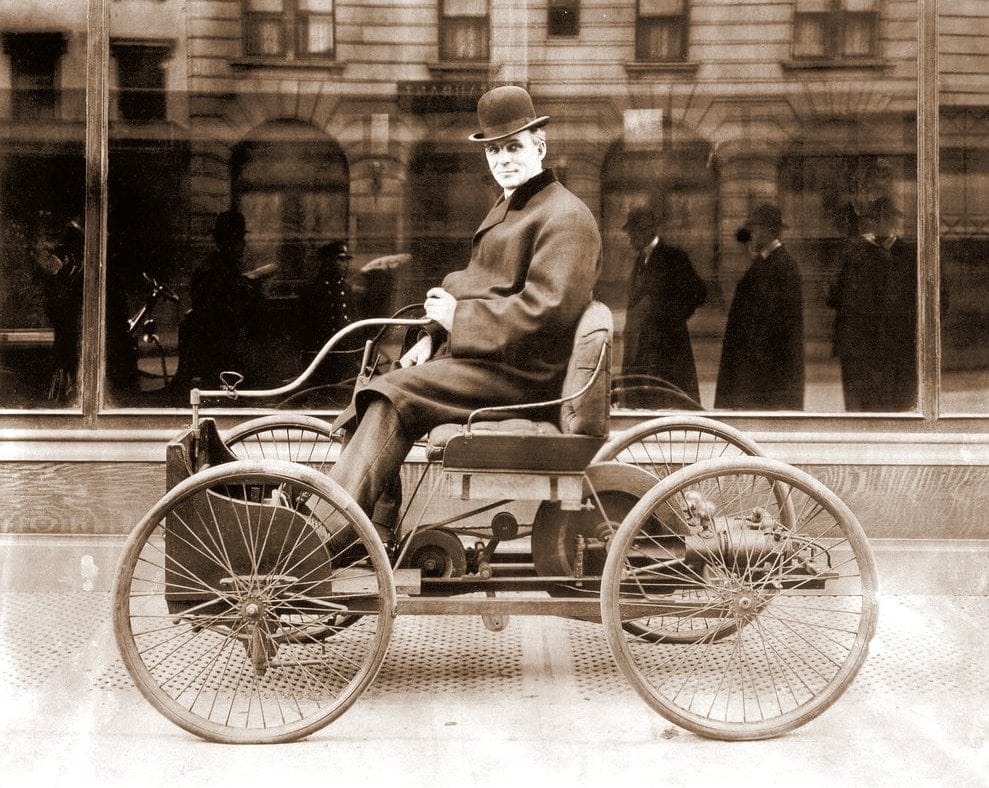
Detroit’s rise in the late 1800s was built on shipping, shipbuilding and a fast-growing manufacturing sector. As the Detroit Historical Society notes, the city’s location near rivers and lakes made it a natural hub long before the auto industry arrived. By the time a young Henry Ford built his first automobile in 1896, Detroit was already a city of means — and the Gilded Age mansions rising to the east and west of downtown reflected that prosperity in brick, stone and ornamental ironwork.
The Victorian home style of that era wasn’t a single look so much as a set of ambitions: asymmetrical facades, wraparound porches, towers, turrets, decorative gables and enough square footage to make a point. Lumber baron David Whitney Jr. made that point loudly when he built his mansion between 1890 and 1894 — a 52-room residence spanning roughly 21,000 square feet, with 10 bathrooms and a pink Jasper stone exterior. The building still stands today as The Whitney Restaurant.
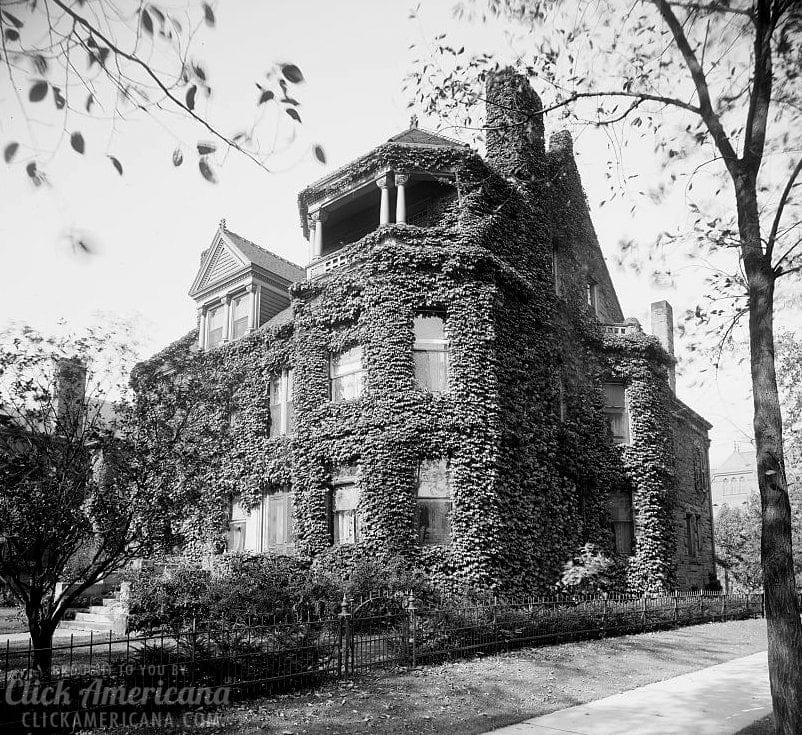
Others in this collection — the ivy-covered Henry Russel residence, the stately McGraw house on Woodward Avenue, the George Gough Booth home photographed on a snowy Detroit afternoon — speak to how concentrated that wealth was along a handful of grand streets.
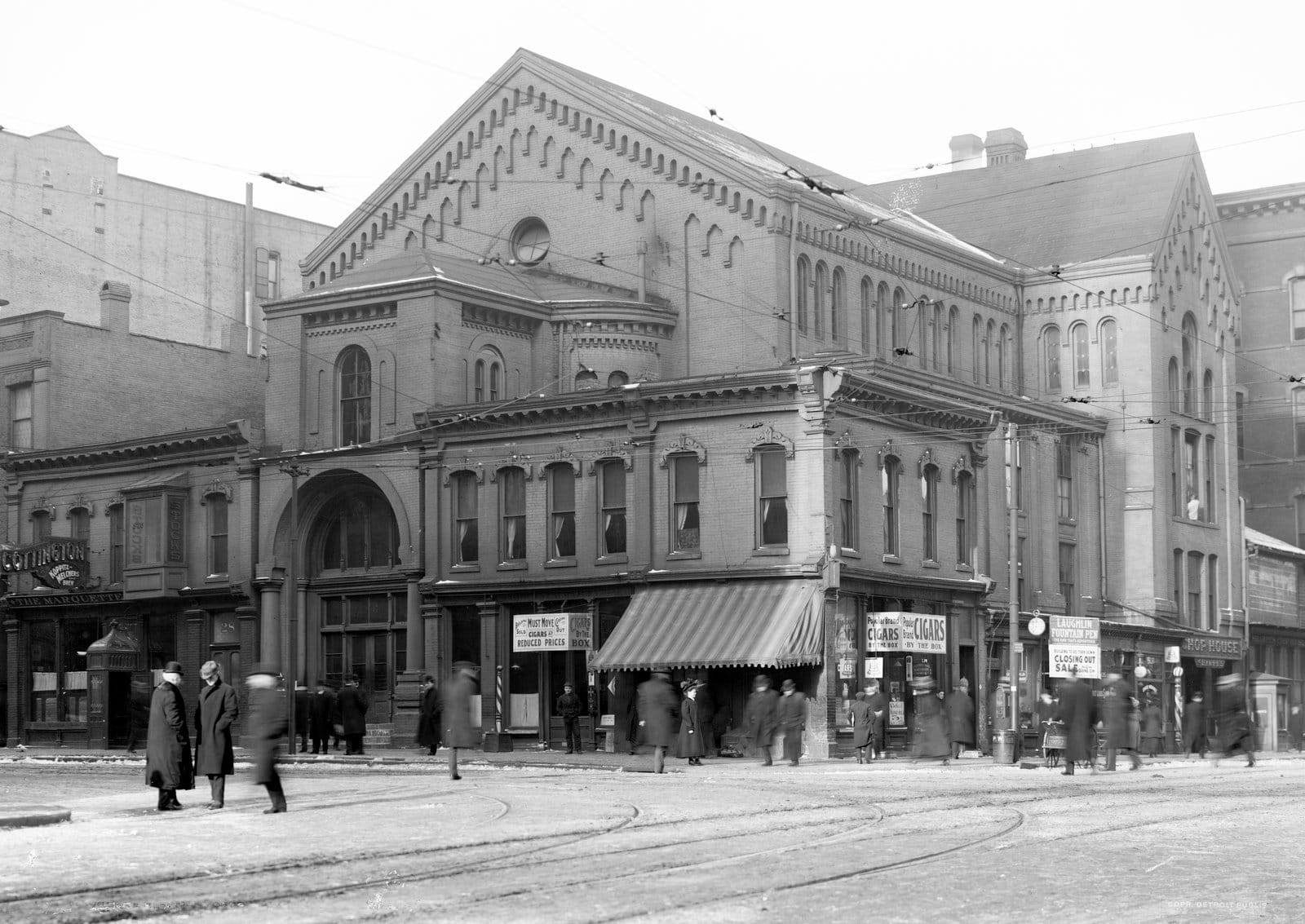
Many of these homes sat on or near East Jefferson Avenue and Woodward Avenue, corridors that functioned as Detroit’s version of Manhattan’s Fifth Avenue. The families who built them — industrialists, lawyers, physicians, merchants — were participants in a national Gilded Age building boom that stretched from Newport to San Francisco. In Detroit, the boom had a particular intensity because the money was new, the city was growing fast and there was something to prove.
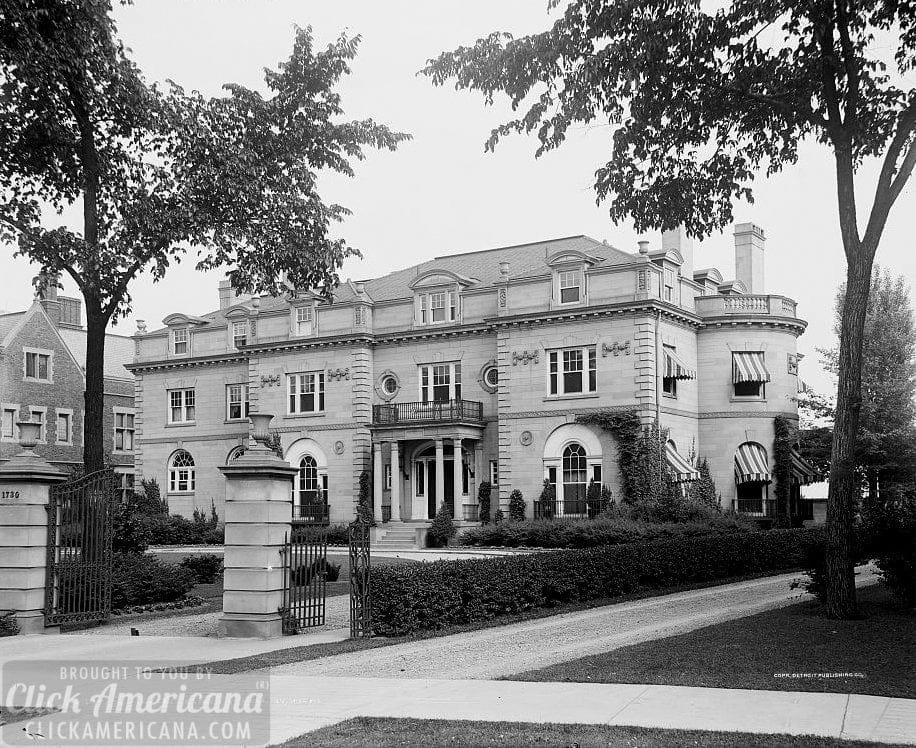
Not all of these houses survived. Some were demolished as the city’s fortunes shifted through the 20th century, leaving only photographs as a record of what stood there. We’ve gathered a collection of those early 1900s images here — residences captured at or near their prime, offering a street-level look at how Detroit’s most prominent citizens chose to live before the Motor City became the Motor City.
1. The Whitney House in Detroit
This mansion built between 1890 and 1894 by the lumber baron David Whitney Jr, was restored in 1986, and is now home to The Whitney Restaurant. When it was built, the home reportedly offered 21,000 square feet of luxurious living in its 52 rooms (including 10 bathrooms).

2. Residence of L.H. Jones, Detroit, Mich

3. David Whitney Jr. House
From 1905, the David Whitney Jr. House at left; Detroit Athletic Club (largely obscured) at right

4. Victorian Home of Dr TA McGraw, Detroit, Michigan

5. George Gough Booth residence
This classic and luxurious vintage home was photographed on a snowy day in Detroit

6. Victorian Home of A. Buhl, Iroquois Avenue from the northwest (c1910)

7. Elizabeth Buhl residence
Located at 7850 East Jefferson Avenue (building has since been demolished — see what’s there now.)

8. Henry Russel’s ivy-covered Victorian mansion (c1900)
Vintage Homes Adult Coloring Book #3: Beautiful Victorian Houses
9. Victorian residence of Mr. Dwight Cutler, Detroit, Michigan (c1910)
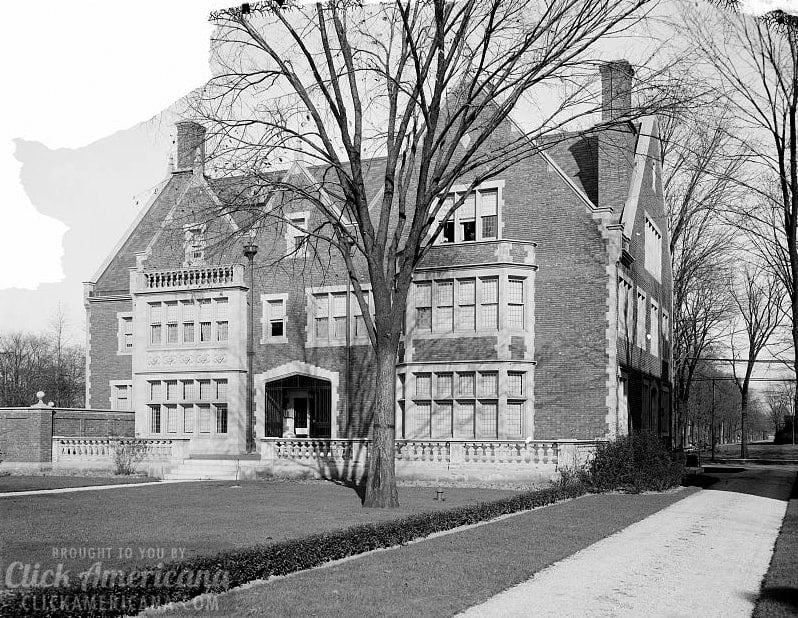
10. Mr. Swift’s residence, Detroit (c1905)
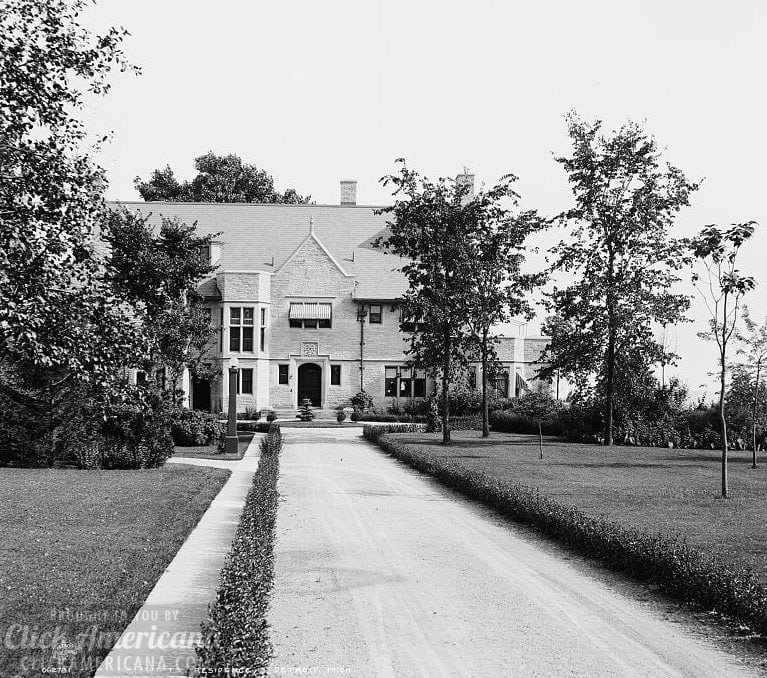
11. House of W.C. McMillan (c1905)

12. Victorian mansion of L.H. Jones (c1900)
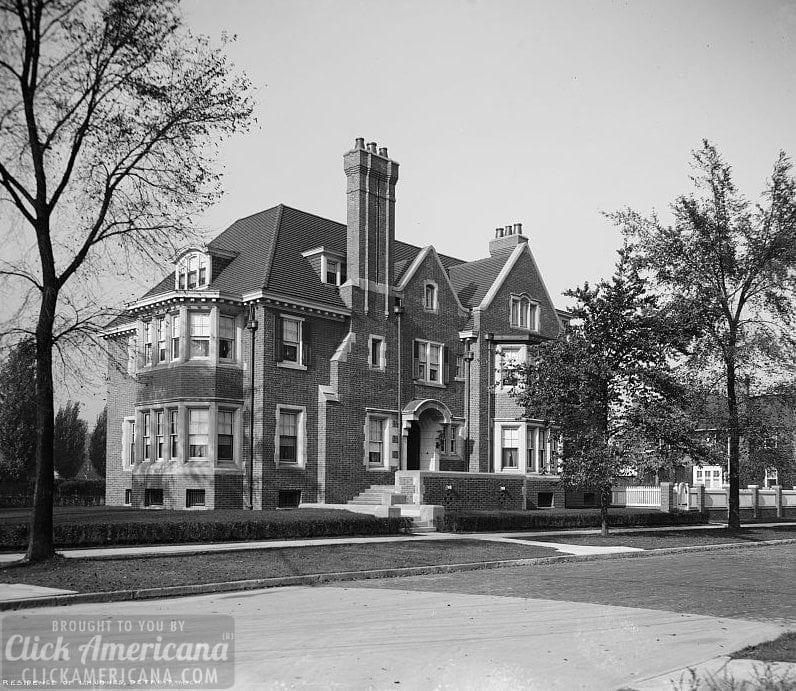
13. House of Mrs. McGraw, 1085 Woodward Avenue, Detroit (c1910)
See what’s here now! (Spoiler: it’s not this house.)

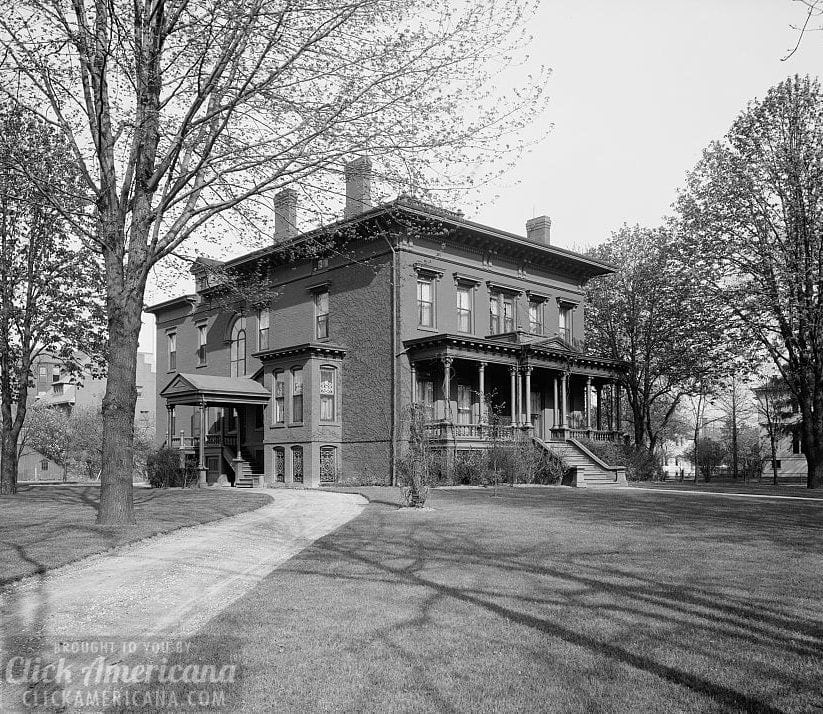
14. Home of Mrs. H.C. Parke (c1900)
LIKE THESE? Then see our book, Luxurious Victorian Houses & Mansions
15. Home of Mr. Fair, 40 Putnam Avenue, Detroit, Michigan (c1910)
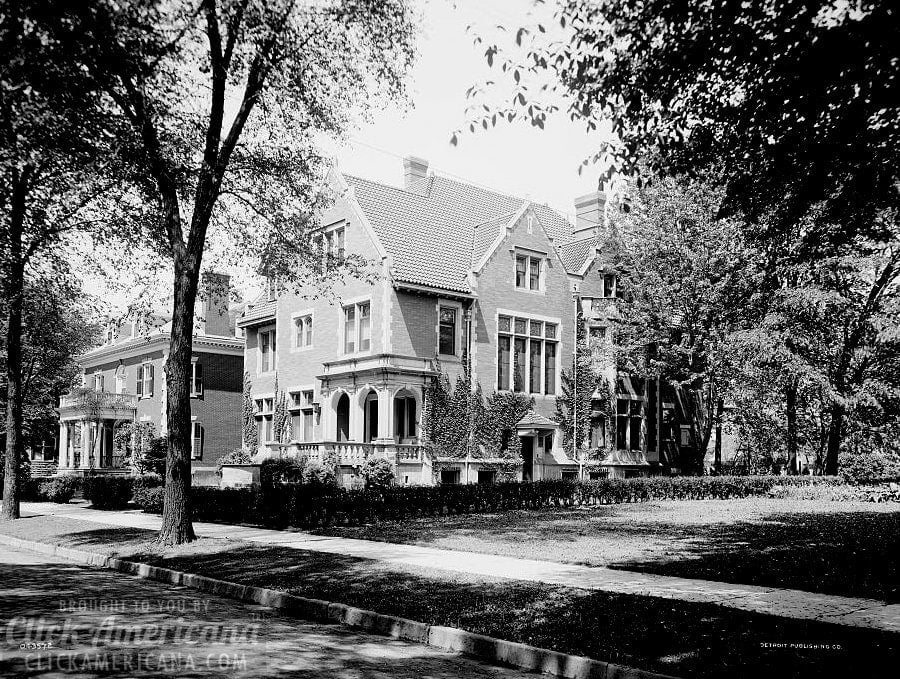
16. Frost House in Brush Park, Detroit

17. John B Ford house
Located at what was then 8192 East Jefferson Avenue.
MORE MANSION LIVING






3 Responses
Does anyone have a photo of 724 E. Jefferson Ave. in Detroit, home of Sophie Campau Dubois?
CAN YOU HELP ME GET PICTURES OF THE HOUSE AT 957 LAWRENCE DETROIT MI 48202 IVE JUST PURCHASED IT AND WOULD LIKE TO SEE HOW BEAUTIFUL IT WAS SINCE ITS IN A CONDITION WHERE NOW I CANT REALLY CAPTURE ITS FULL BEAUTY AND POTENTIAL IT WAS BUILT IN 1912
In its heyday, Detroit teemed with majestic architectural delights. As a result of falling on bad economic times, Detroit lost so many priceless edifices. What a colossal pity. So much more should have been done to save this extraordinary city and its significant collection of mesmerising buildings. Perhaps Detroit could have become a major destination for architectural enthusiasts and tourists seeking charm? A Dutchman, I have also witnessed the destruction of too many beautiful buildings in the Netherlands. Nonetheless, I suspect that Europeans value their past and architectural history more than Americans do (or did).