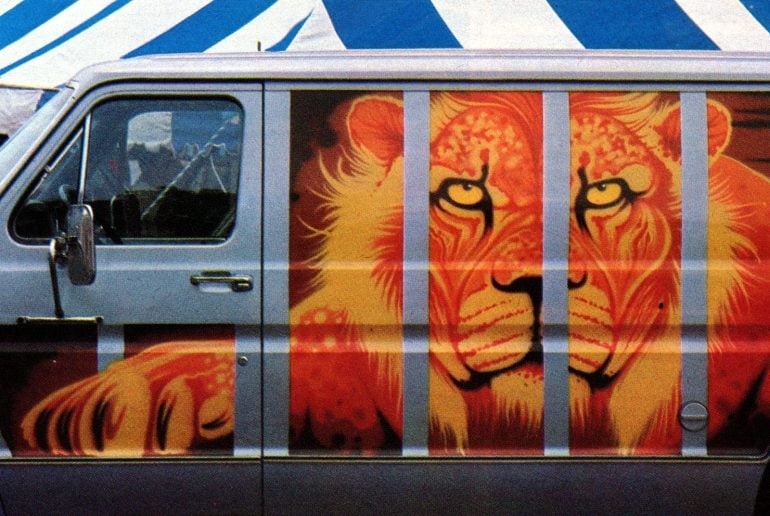
The vanning craze of the 1970s was loud, wild & fully custom
Early on in automobile history, vans were for work — used by tradespeople, delivery drivers and anyone who needed to haul tools. But as the ’60s wound down, you started seeing a shift. Vans were cheap, easy to customize, and — crucially — big enough to hang out in.
Surfers, musicians, festival-goers and self-styled nomads saw the potential. You didn’t need a cabin in the woods or a tent in a field if your van had a mattress in the back and a place to stash your gear. That loose, make-it-your-own spirit carried over into the next decade, and by the early ’70s, van customization was taking shape as its own thing.
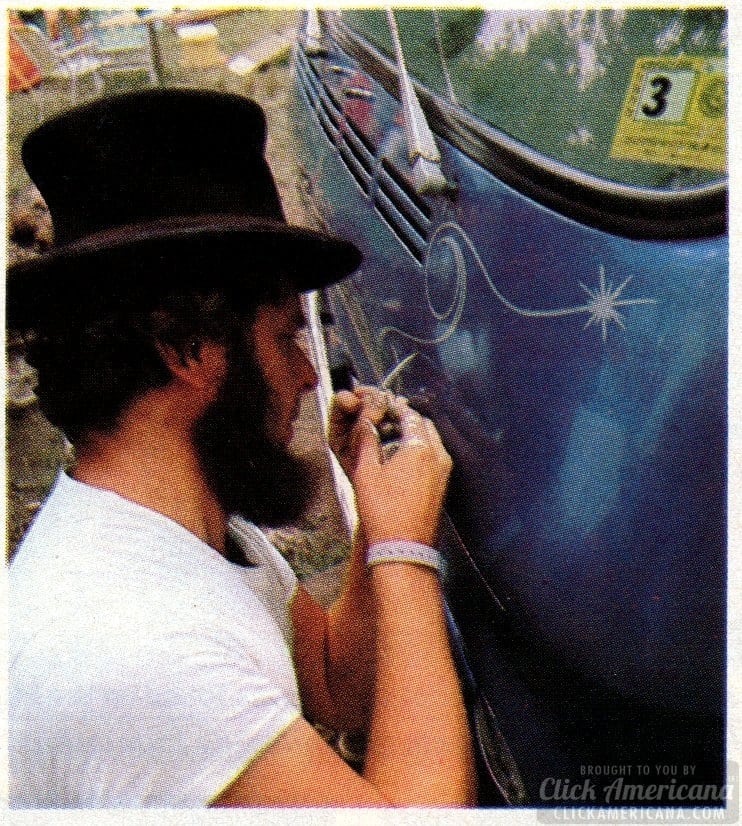
Manufacturers caught on quickly. Dodge rolled out the Street Van. Ford had its Cruising Van package. These weren’t work vans — they were aimed at younger buyers who wanted personality and space to make it their own.
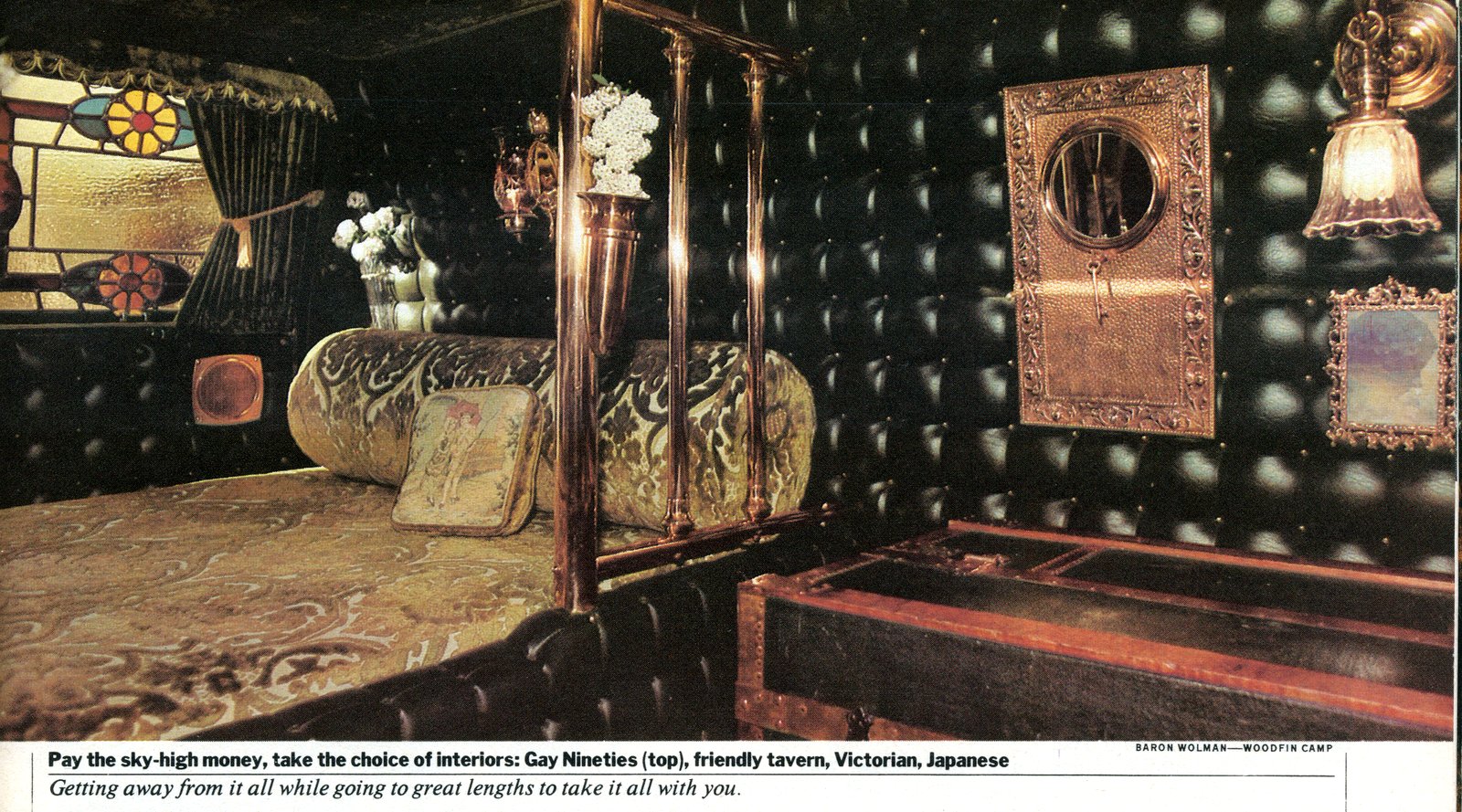
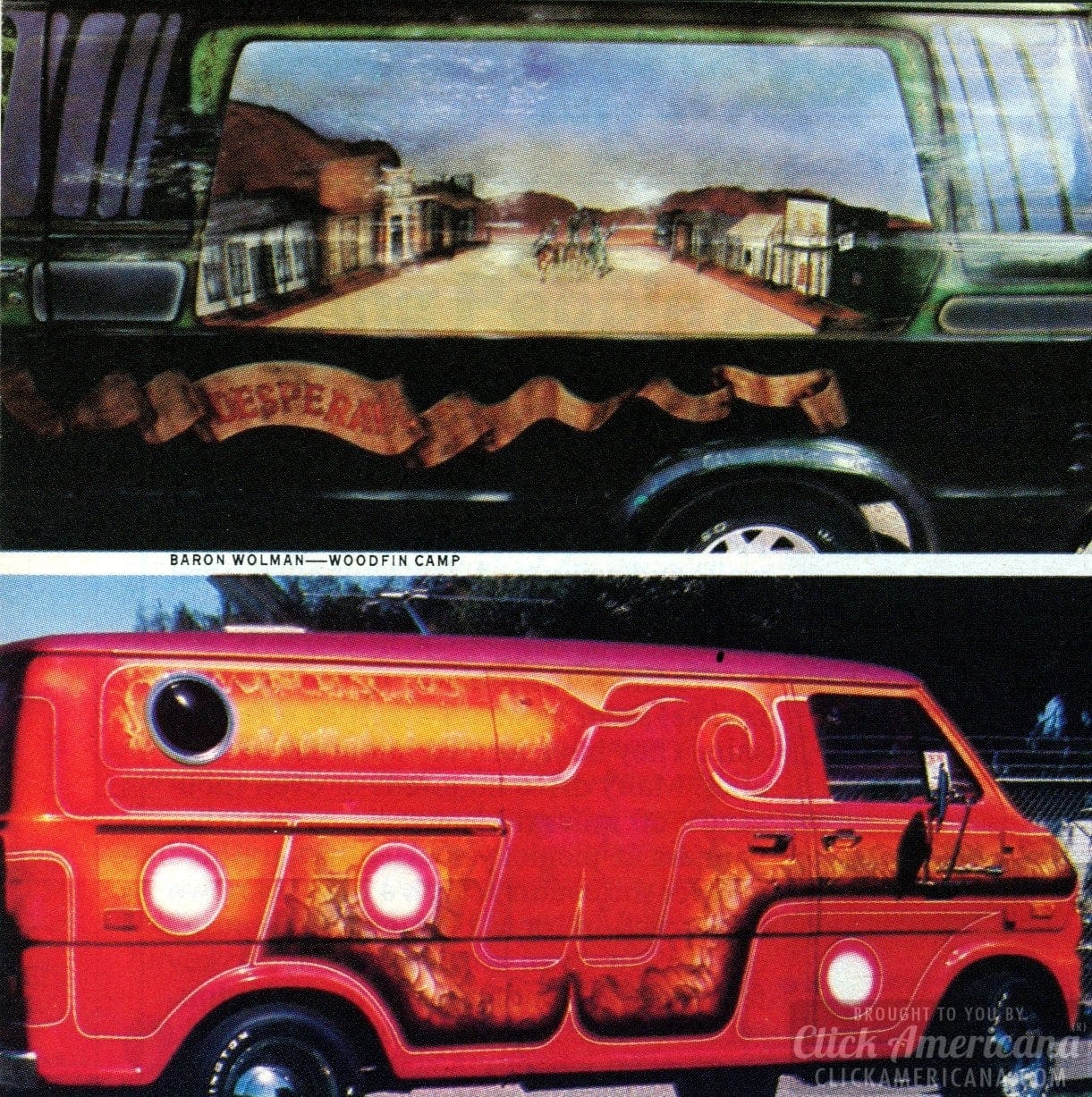
Around that same time, paint jobs got more ambitious. By the mid-’70s, airbrushed murals were everywhere: sci-fi scenes, fantasy art, sunsets, cartoon characters, pin-ups, you name it. Inside, people went just as hard — shag carpet, velvet upholstery, mini-bars, hidden TVs, built-in sound systems, even faux fireplaces.
ALSO SEE: 70s shag carpet: Get cozy with this deep & plush vintage decor trend
So when the 1977 TIME article below talks about vans named Chiquita Vanana (ha!) or Phantom Flasher, and mentions things like chandeliers, mirrored ceilings and $3,000 paint jobs — that’s the part where the trend had broken wide open. It had gone from fringe to mainstream.
Clubs were forming across the country. People were driving thousands of miles to meet up with other vanners at weekend gatherings with names like “truck-ins” and “van-gos.” And entire magazines existed just to cover the latest builds.

But even with all the excess, vanning wasn’t all flash. Plenty of people were still using their vans for everyday stuff — camping, road trips, gigs, odd jobs. The difference was that now, a van didn’t have to look like it belonged to a plumber. It could reflect whatever you were into. It could be practical and personal at the same time.
What you’ll see below is a glimpse at the scene right when it peaked. The TIME piece doesn’t explain where it all started, but it captures what it looked like when custom vanning was everywhere — a mix of car culture, personal freedom, and let’s-be-honest, some very questionable interior design choices. But that’s what made it great.
There’s no madness like nomadness
Excerpted from Time (September 5, 1977)
They are named Phantom Flasher, Lazarus, The Red Onion, Chiquita Vanana, Vandal and such. They ride high and graceless, as always, but now their boxy bodies cry out for attention with garish designs and obstreperous pap art: frontier scenes, Hawaii schlock, seascapes, erotic mush. Even one — the specimen, say, that flashes nude girls in and out of view with op-artful magic — can pop the eyeballs.
When large numbers heave into sight, zooming along the road in a spaced-out phantasmagoria of a caravan, they can set the innocent motorist to gaping and muttering, “What is going on here?”
The short answer is that vanning has become an American craze.
Vanning? To van once meant to ship freight in a certain way. Today it also means to personalize a common van and build a lifestyle around it. Throngs of Americans are doing it. Some 2 million vans are in use today, and the auto industry is cheerily convinced that it will sell another 570,000 this year.
MORE: The classic Ford Club Wagon was the ultimate ride for families in the 1960s through the 1990s
More striking than the number of vans is what the vanners do to them. The workhorse vehicle formerly coveted mainly by plumbers and other craftsmen winds up as a convertible den-bedroom-kitchen within and a showcase of accessories on the outside.
Furnishings are usually elaborate, often splendid. Probably nine out of ten custom vans carry eight-track stereo, and crushed-velvet upholstery is not all that unusual. Neither are stained glass windows, wine racks, built-in television, fake fireplaces.
Mirrors are very popular — on walls and ceilings. A few vans even boast chandeliers. Some rigs cost $20,000 or $30,000.
Vanners: Cult or fellowship?
Vanners themselves, or at least the zealots, seem as much a cult as a fellowship. They have formed hundreds of societies. Many drive hundreds or even thousands of miles to converge with other vanners at picnicky socials that are held all over the country. Such a bash is known as a “truck-in” or a “burn-out” or a “push” or — ah! — a “van-go.”
Invariably, a key feature of the outing is the mutual admiration of vans and the adorning artwork. Some paint jobs cost $3,000. News of ever-fresh extravagances circulates in 25 or so magazines devoted to vanning.
Plainly, the nation is witnessing a new form of nomadness, already epidemic and spreading fast.
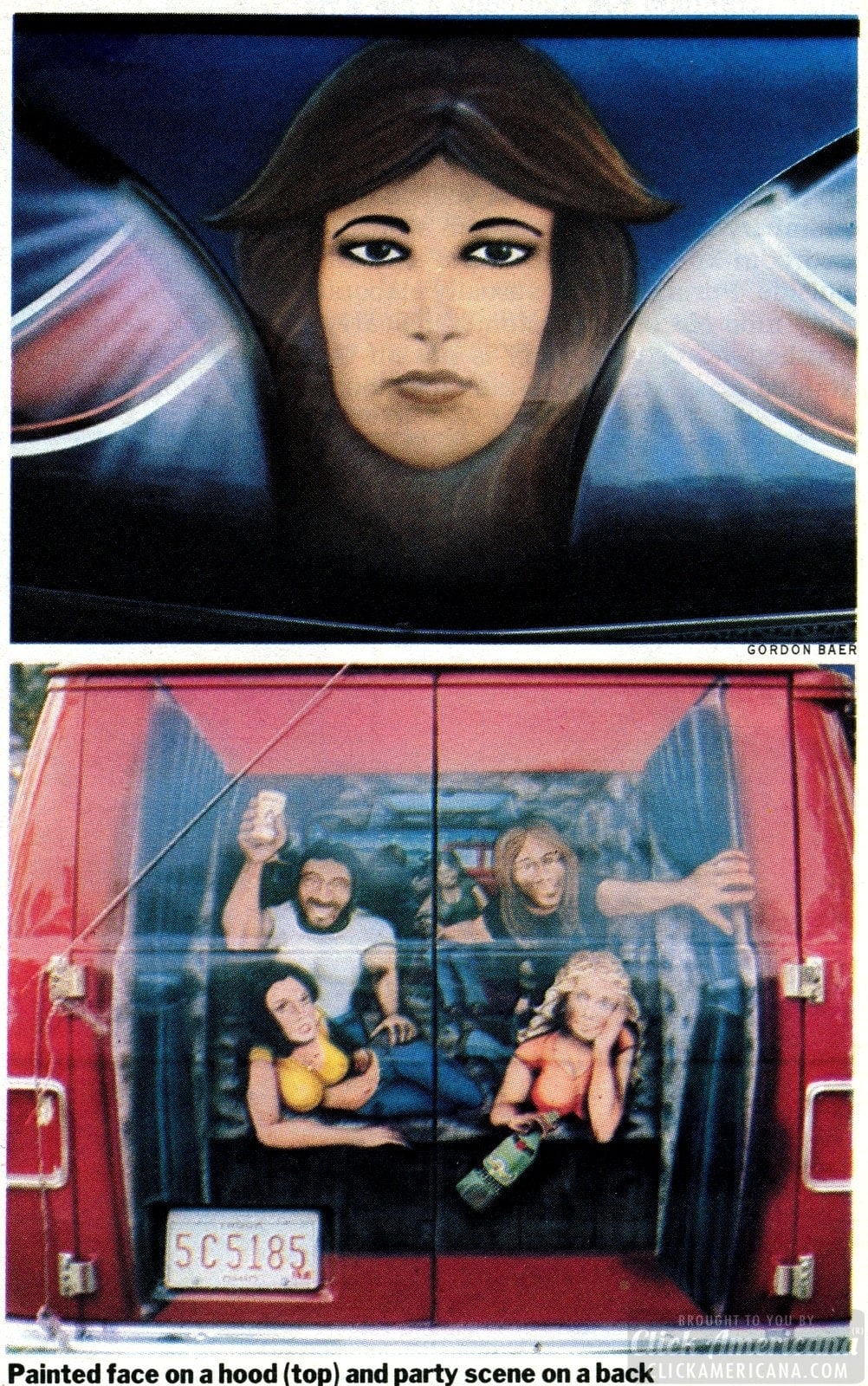
Plainly, the nation is witnessing a new form of nomadness, already epidemic and spreading fast. Why? Even though the craze began in California, it is not necessarily incomprehensible. Many observers shrug off the outbreak of vanaticism as merely an acute fling of the gadabout restlessness always evident in America. Any Pop sociologist might be tempted to interpret the van binge as simply a bizarre elaboration of the American’s longtime romance with the automobile.
At one time, folklore attributed the increase in vans to newly liberated youth’s need for a convenient trysting place; indeed, the current B-epic film called The Van implies that this is still so. Yet advantaged juveniles cannot be blamed for the flocks of high-priced custom vans that have popped up in the past few years. In fact, vanning roadscape, along whose orange-roofed sameness one is always in essentially the same place — here, there, everywhere, nowhere. He therefore chronicled the emergence of an American traveler who would “feel most at home above the highway itself.”
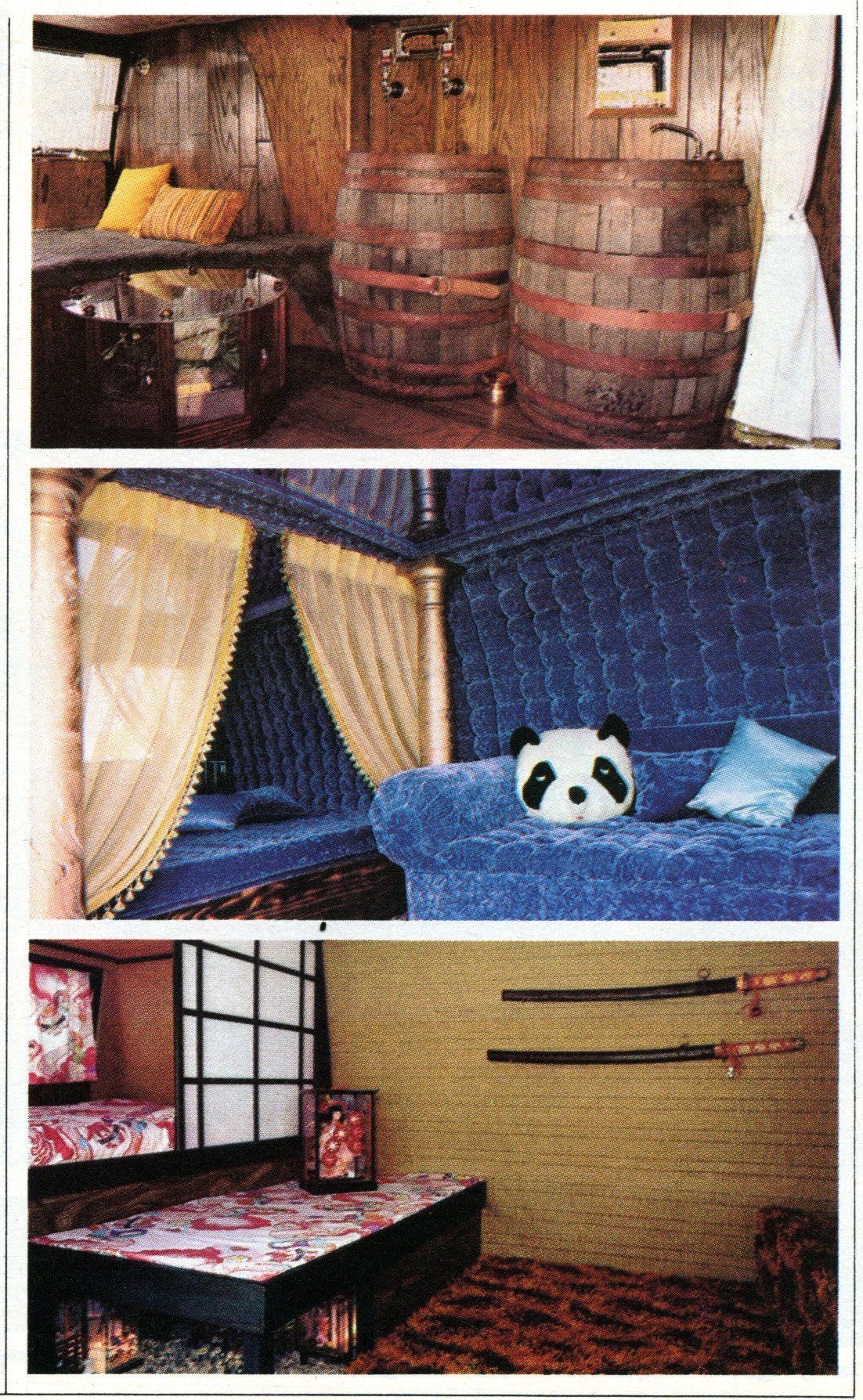
The realities of van living
The paradoxical realities of vanning suggest another possibility. Perhaps the vanner’s true destination is — the van itself. To grasp this radical notion, one may need to shift into metaphysical gear. Yet consider the vanner’s relationship to the van: the true vanner has not merely romanced the motor vehicle in the traditional American way.
Actually, the vanners have embraced and subjugated the homely panel truck and, with Pygmalion’s zest if not his graces, have transmogrified it into something utterly new and distinct: a mobile monument to self. It is self-contained and self-containing, and its womby little room is packed with the motherly comforts of home, while its skin screams advertisements of the inhabitant’s wistful dreams.

The vanner moves about — without quite traveling, if that in deed means changing places. The true vanner’s place is the same at the end of each voyage as at the start. By this mode the vanner does profoundly escape in several ways. He or she escapes from the homogenized countryside into an environment that is, to say the least, individualistic. And leaves behind the common level of traffic for a higher perch that offers, many claim, the illusion of superior mastery of the road.

In a time of widespread popular feelings of powerlessness, the vanner ascends to a swivel driver’s seat that is called, within the cult, a “captain’s chair.” Ensconced thereon, of course, he has ventured into the technological fantasy of melding humankind and machine. Surely the vanners have also fulfilled Boorstin’s unsettling vision of a people who “prefer to be no place in particular — in limbo, en route.”
Vanners, to be sure, see themselves in a simpler light. They think of themselves, as one of their songs puts it, as “freewheeling and easy… livin’ our lives while we can.”