
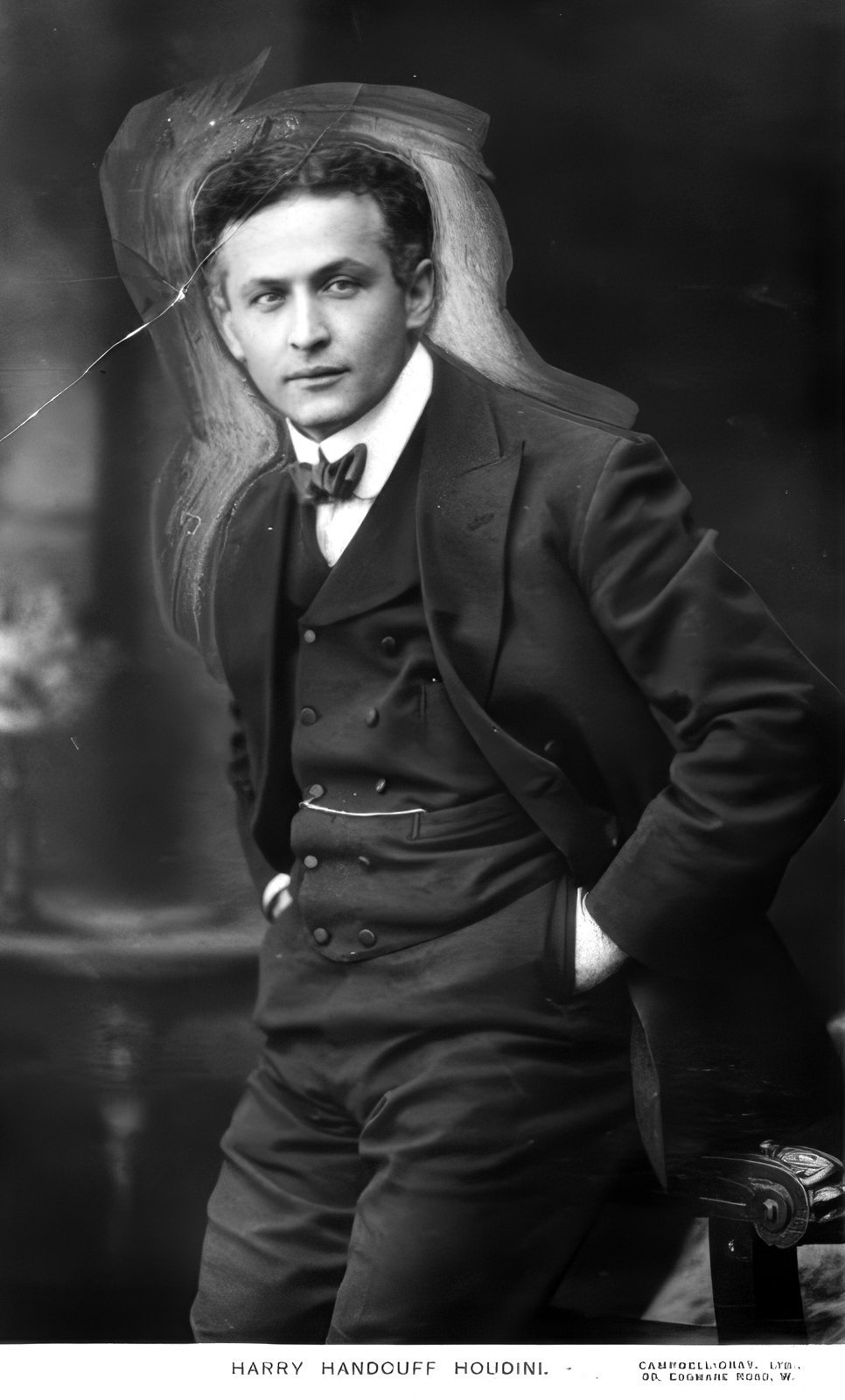
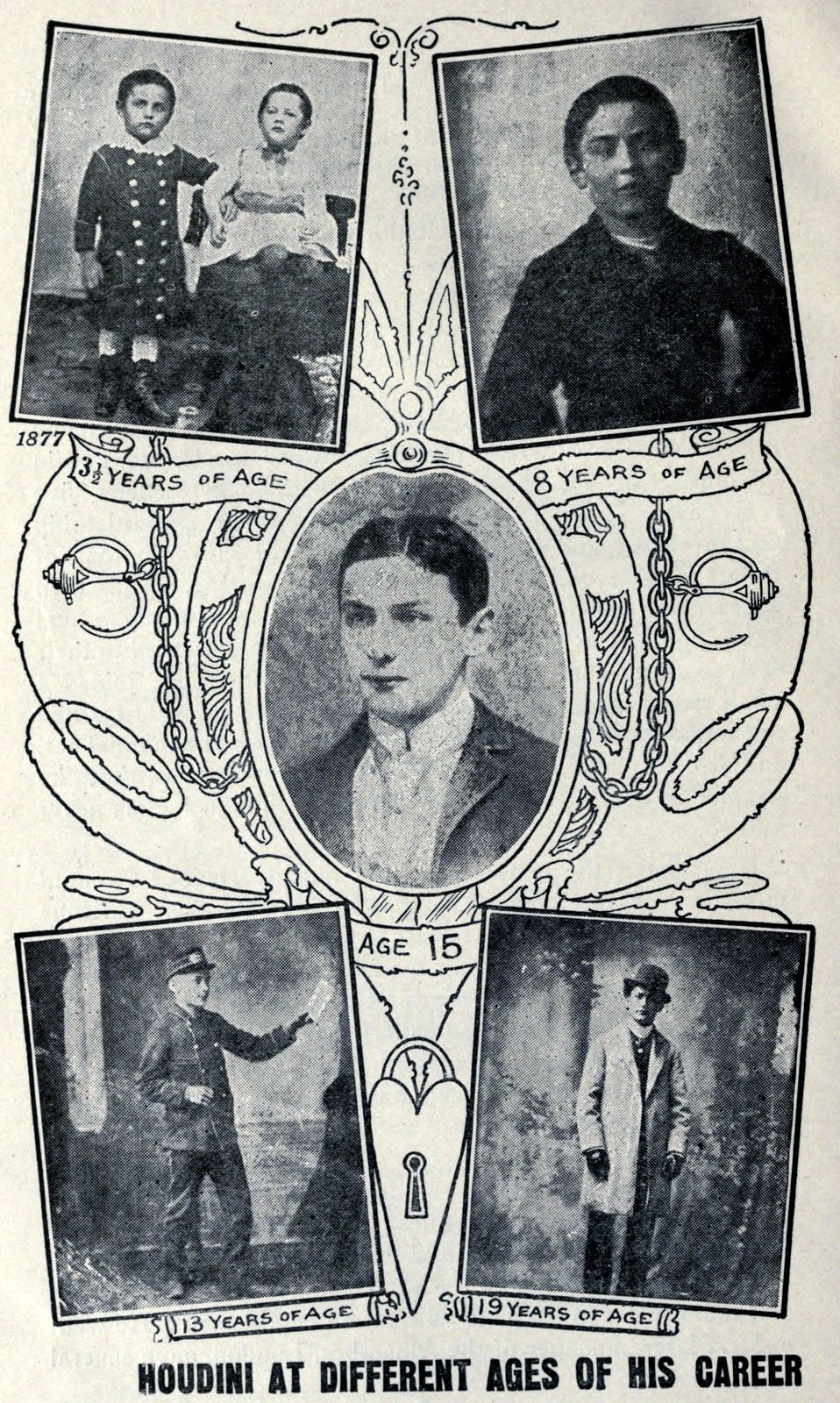
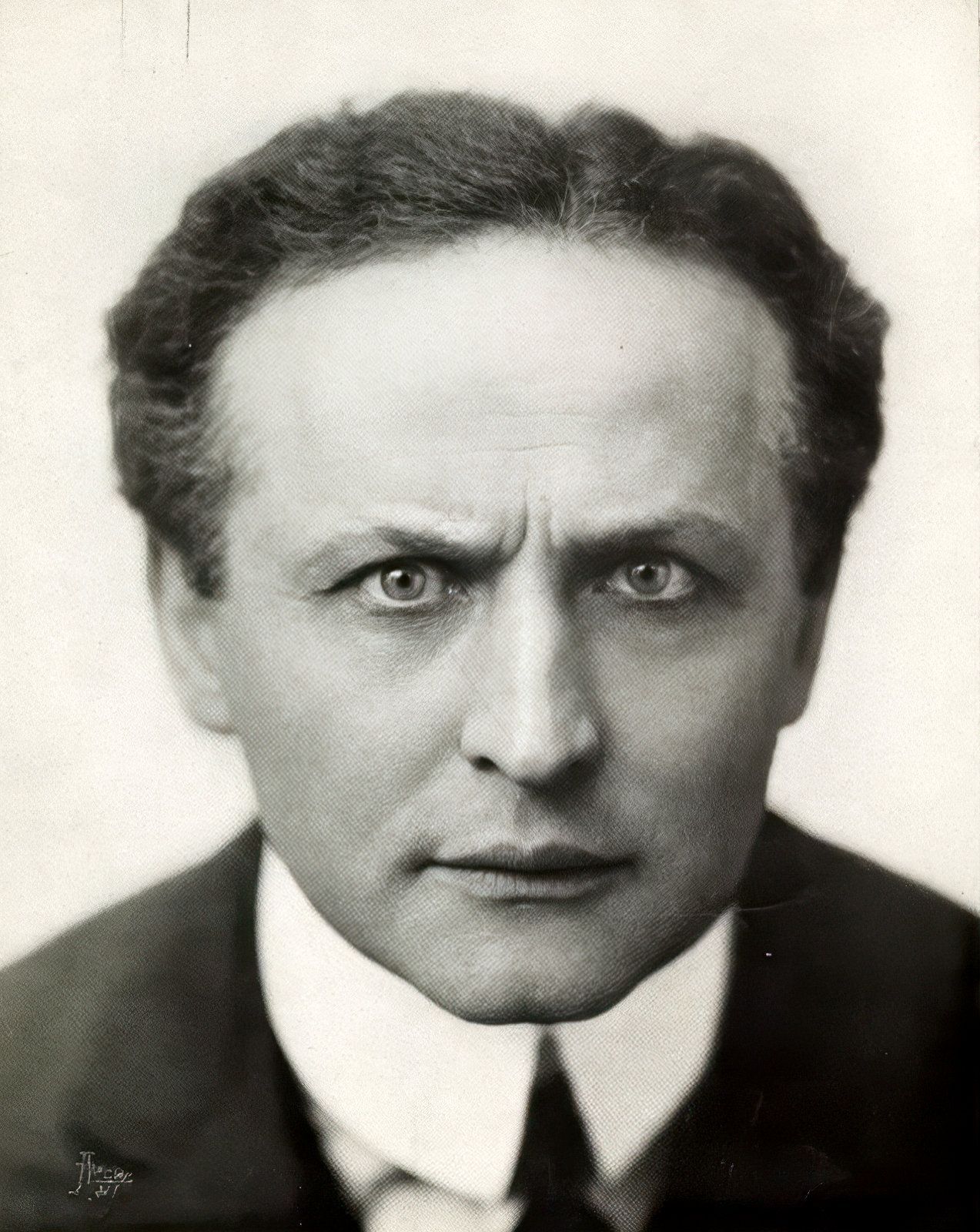
He was born in Hungary in 1874 as Erik Weisz, moved to Wisconsin with his family as a kid, and was pulling trapeze stunts by the time he was a teenager. The magic came later. He picked the name Houdini after a French magician he admired and started out doing card tricks on the dime-museum circuit. But he figured out pretty quickly that escapes got a stronger reaction than sleight-of-hand — especially if you challenged local cops to lock you up first. That’s when he leaned in.

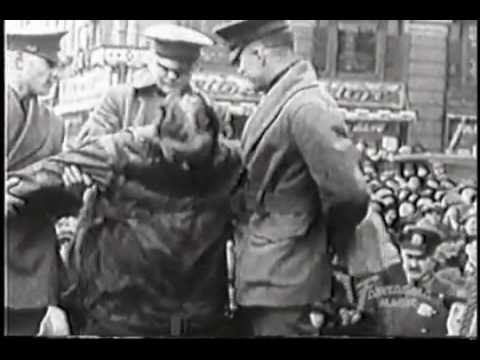
By the early 1900s, Houdini was making real money. He was touring the U.S. and Europe, slipping out of jails, breaking handcuffs, getting out of straitjackets while suspended from buildings. It was physical, risky work — not the kind of thing you could fake with a trapdoor and a puff of smoke. He trained constantly, studied locks, practiced holding his breath and didn’t delegate the hard stuff. That made him famous, but it also made him hard to pin down.
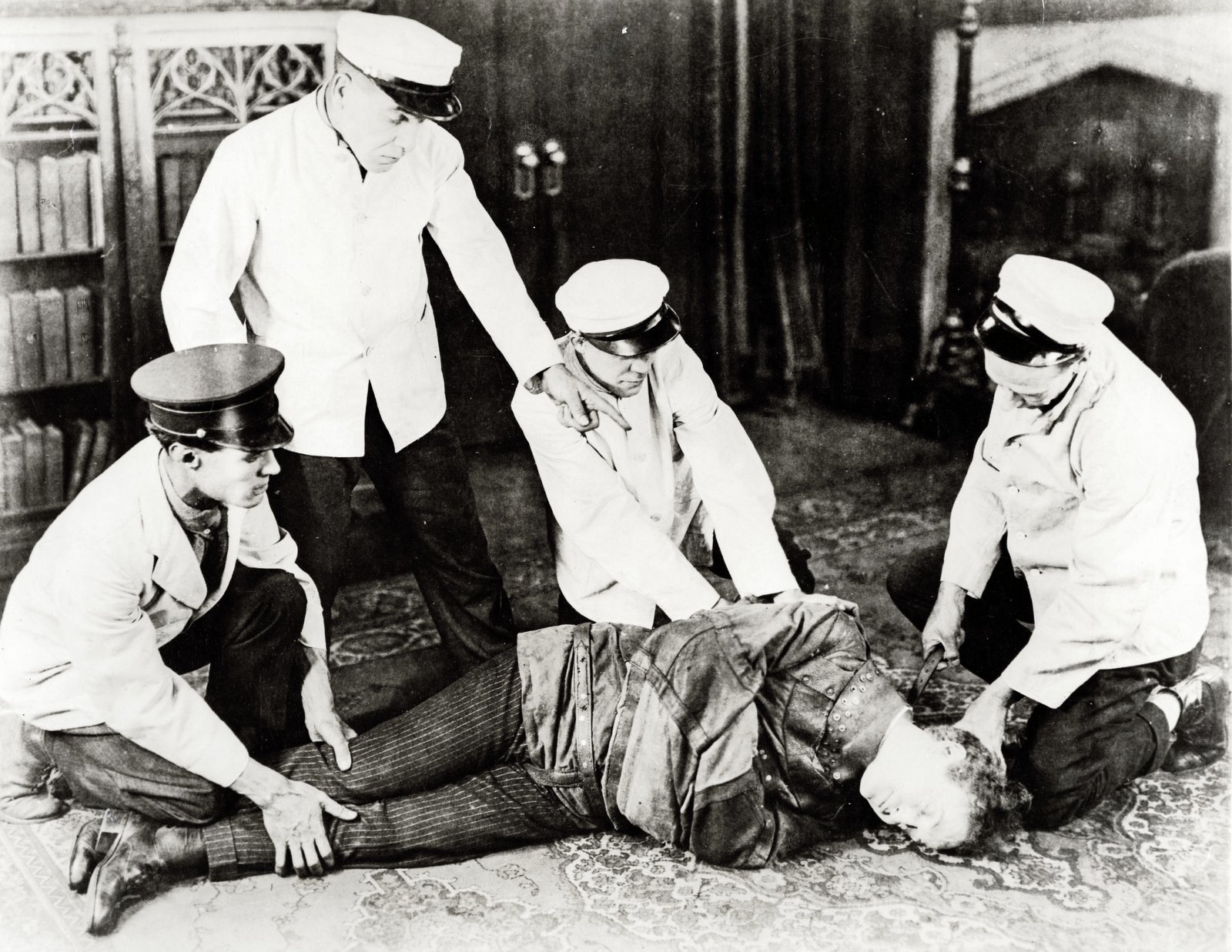
He didn’t give up details. People asked. He’d deflect, joke, give half an answer or just brush it off. When a reporter in 1918 asked how he got out of a nailed-shut box thrown into the East River, he said, “You just disintegrate.” That was the kind of thing he’d say with a straight face, and then move on. He understood that if the audience figured out how it worked, the whole thing fell apart. The mystery was the draw.
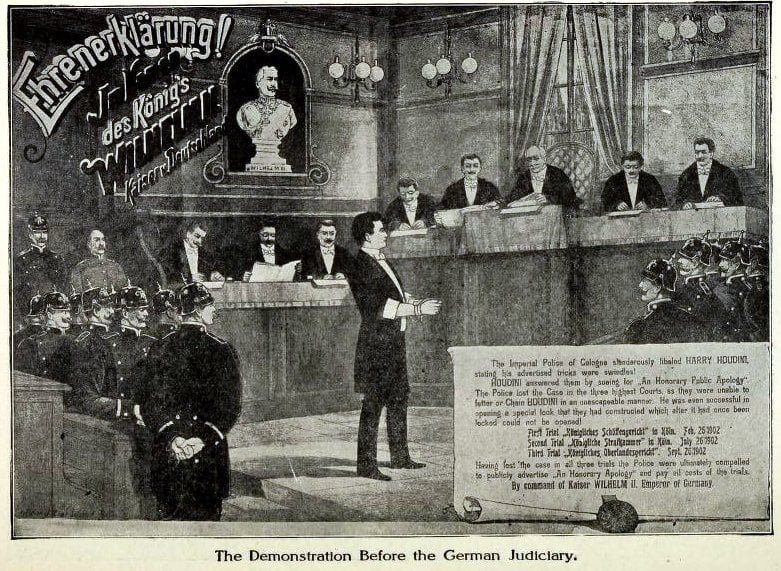
Away from the stage, Houdini took on other roles: silent film actor, studio owner, escape-method patent collector, and eventually a loud critic of fake spiritualists. He didn’t like people who used tricks to prey on grief, and he made it a personal mission to call them out. He also spent years trying to build up the legacy of magic as a craft, publishing books and supporting other magicians — as long as they didn’t try to expose him.
He died in 1926 after a punch to the stomach triggered complications from appendicitis. He was 52. He never revealed how his stunts were done, and nobody’s ever fully cracked them.
Below is one of the rare interviews where he spoke a little more freely — not enough to give anything away, but just enough to remind you he was always in on the joke.


SEE MORE: Old silent movie title cards: How to clap, don’t wear hats & more messaging you wouldn’t see today
The mysterious — and mischievous — magician Houdini
Harriette Underhill, New York Tribune (New York, NY) October 13, 1918
All men are fascinating until you understand them, and that usually is so simple.
But there is one man whom we never could understand, and for that reason he continues to be fascinating. He can get out of any predicament. You cannot drown him, nor smother him, nor tie him up. We believe that he would even be able to break through a movie contract if he wished. His name is Houdini, Christian name unknown.
Houdini always has fascinated us because he baffled us — but that is nothing, for he has baffled everyone. No one in the world knows how he does what he does, for he never has told. Oh, that he had been born a woman; then he would surely have told!

Houdini is at the Hippodrome now. Of course, he has been there for a long time, but we had stopped going to see him because it was so annoying to watch a performance which one never could hope to emulate.
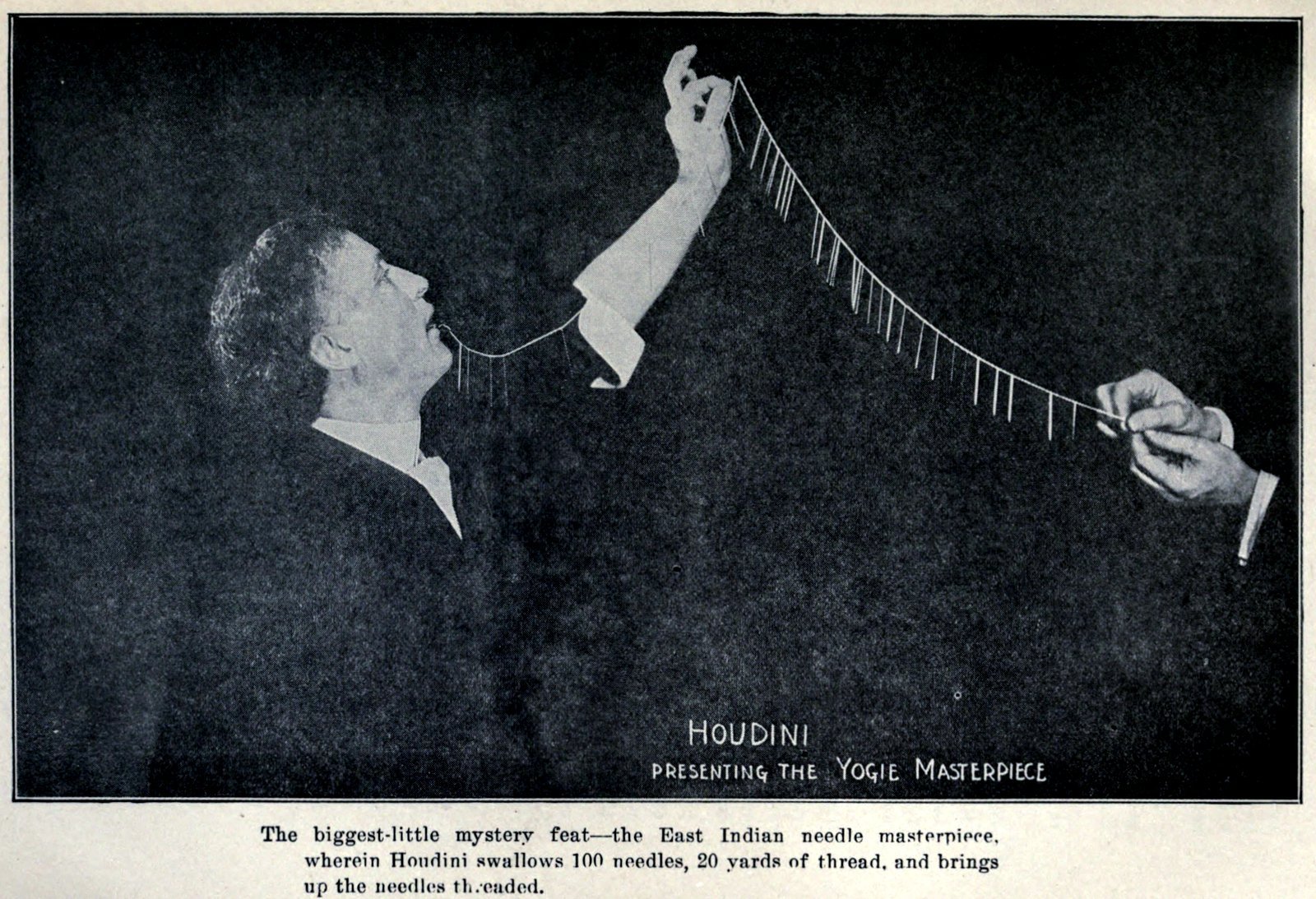
Well, one day last week we went over to the big playhouse to see him and the thought suddenly came to us perhaps if we should meet him face to face he might reveal to us the art of swallowing one dozen needles, a spool of thread and bringing out of your mouth the needles all threaded. This was a trick worth learning, it was so practical. So we sent back and asked for an interview, and presently the great Houdini joined us where we sat in solitary state in the box.
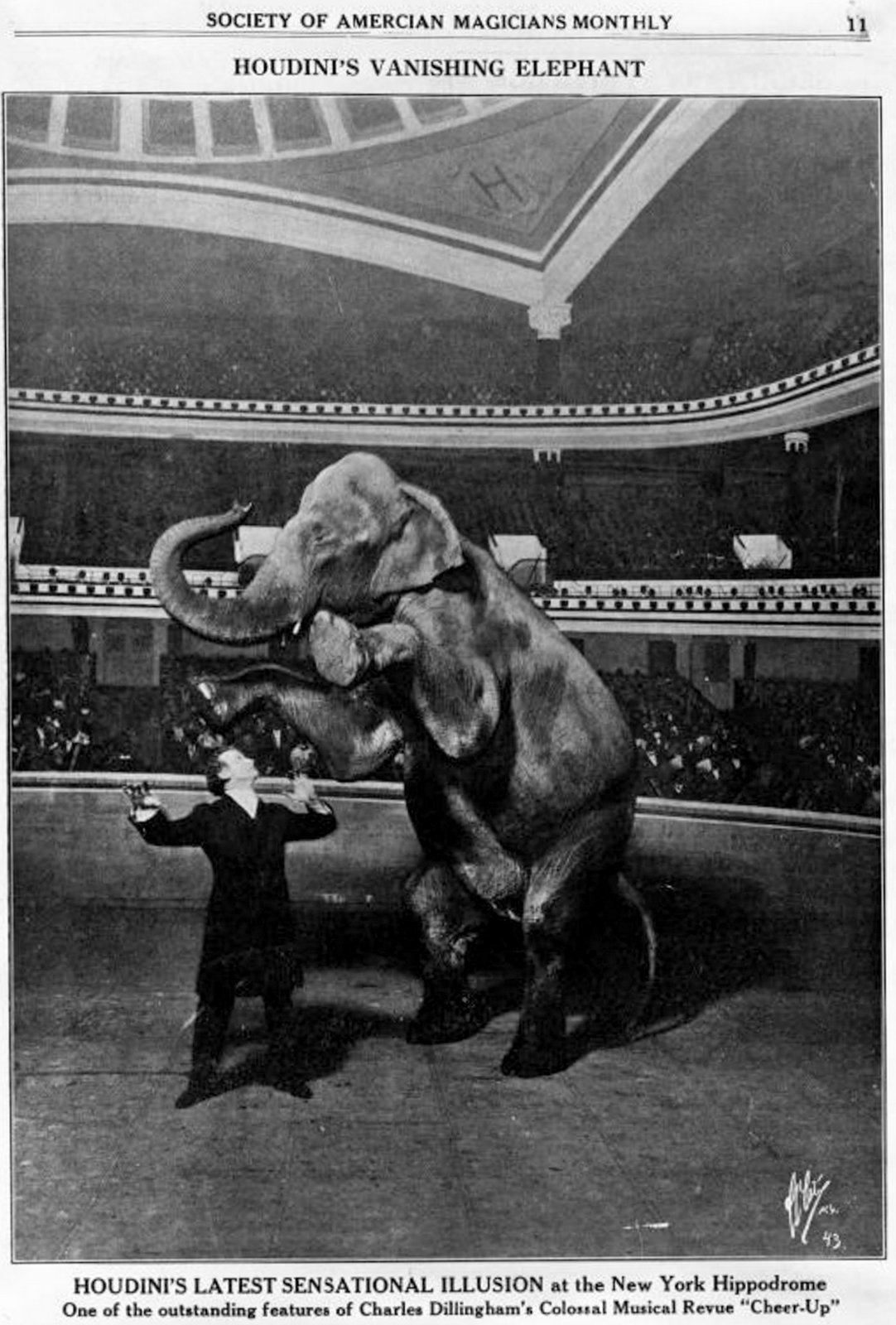
Houdini was very nice, and he watched the show just as though he were an ordinary person who couldn’t thread needles in his esophagus. And during the intermission, we talked.
Taking it for granted that he was there for the purpose of revealing his life secrets, we said: “Oh, Mr Houdini, tell us, please, how you get out of a packing box which has been nailed up and tied up and thrown into the East River!”
DON’T MISS! Old silent movies: Why so many classic films have been tragically lost (1910s-20s)
And he said: “Certainly. It is simple. You just disintegrate.”
Fancy, now! Why, anyone can do it if he can only disintegrate. But ww persisted, for our duty lay clear before us. Oh, to be able to reveal to the world, or that portion of it that reads The Tribune, how Houdini did his tricks!
“Could anyone do it if you showed him how?” we asked. “Could we do it?”
“Well, perhaps you could. I’ll try you on this one first. Now, all ready? Do this.” And right before our horrified gaze, Houdini pulled his left thumb off and held it in his right hand. We screamed and hid our eyes, and when we looked again, his left thumb was back where it belonged.
Now, we actually saw this with our own eyes, sitting not a foot away, we have come to the conclusion that Houdini either hypnotizes people and doesn’t do any of his tricks at all, or else he is not human.
We accused him of both of these things, but he only laughed and said: “You are wrong. I really do all of the things you see, and I have been practicing for many years. I learned to pick locks when I was about five years old, and mother used to lock up the pies, because I ate them up whenever I got a chance.
“From that time on, I was always practicing, always inventing, until at last I reached a state where I could do anything. But it is a severe nervous strain. I live in constant dread lest someone will invent a cell or a straitjacket or a pair of handcuffs from which I cannot extricate myself.
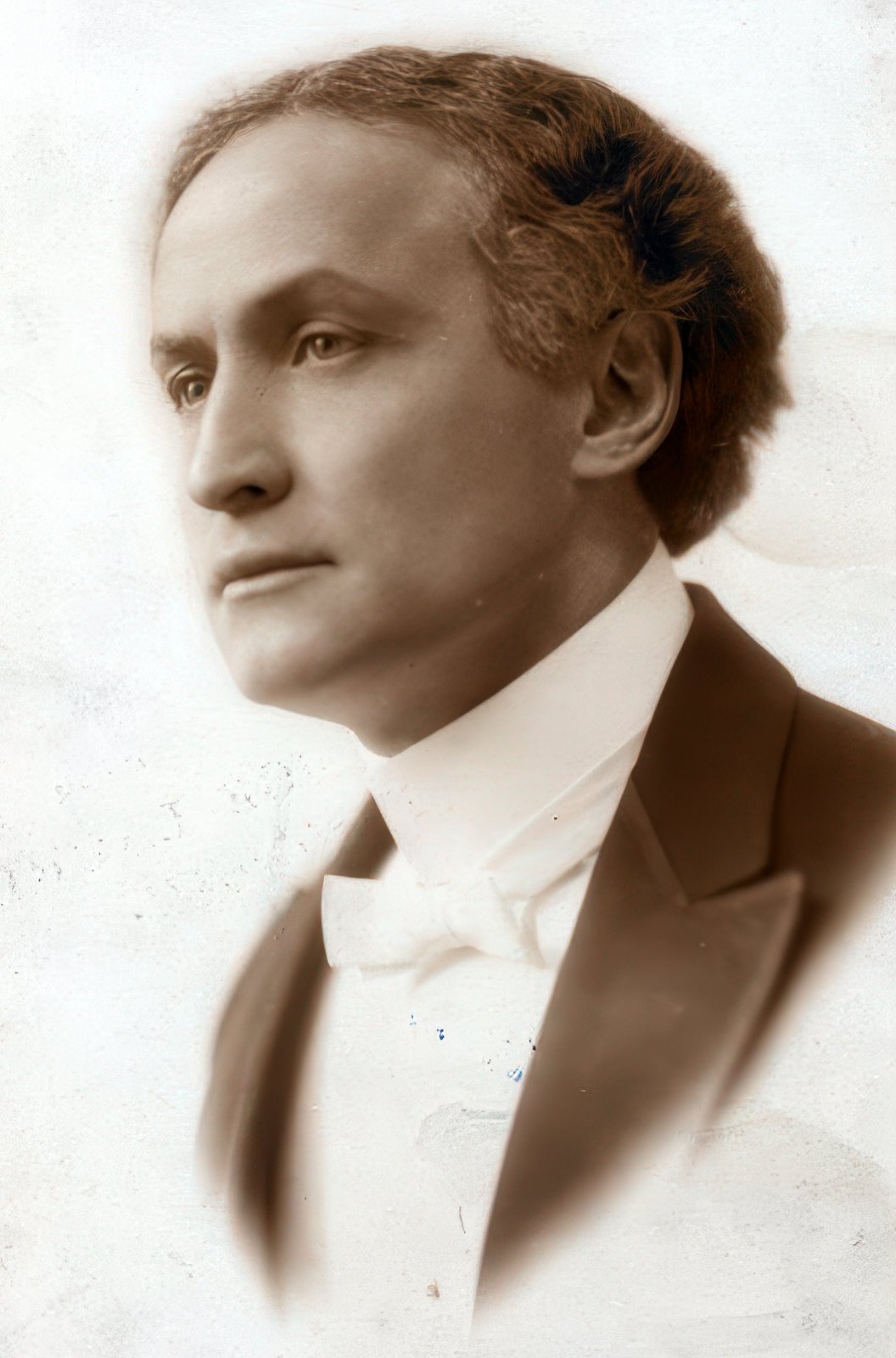
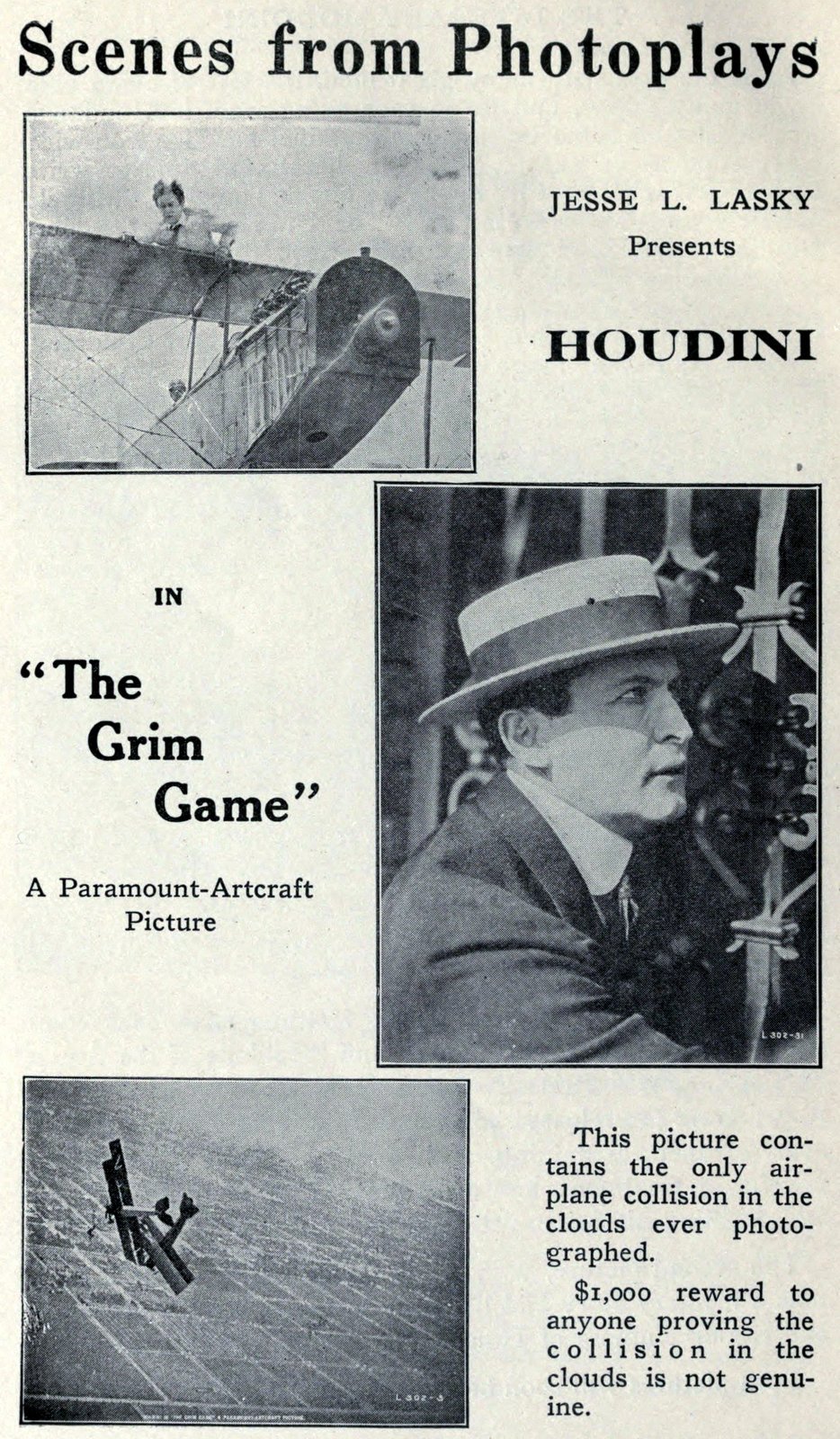
“In that case I should die, of course, and whenever I have thought of dying, I have wished that there might be a record of some of the things which I have done, for the next generation never will believe that they are true. That is chiefly why I wished to make a motion picture. And,” — with a twinkle in his eye — “I like the money, too.”
“At one time I was very poor, so poor, in fact, that I wrote to every paper in New York and offered to give them a story revealing all of my secrets for $25. You will see how little interest they took in me when I tell you that not one of them accepted my offer. And isn’t it a lucky thing for me? Now I am a rich man.”
“Tell us about your motion picture,” we said. “What do you do in it?”
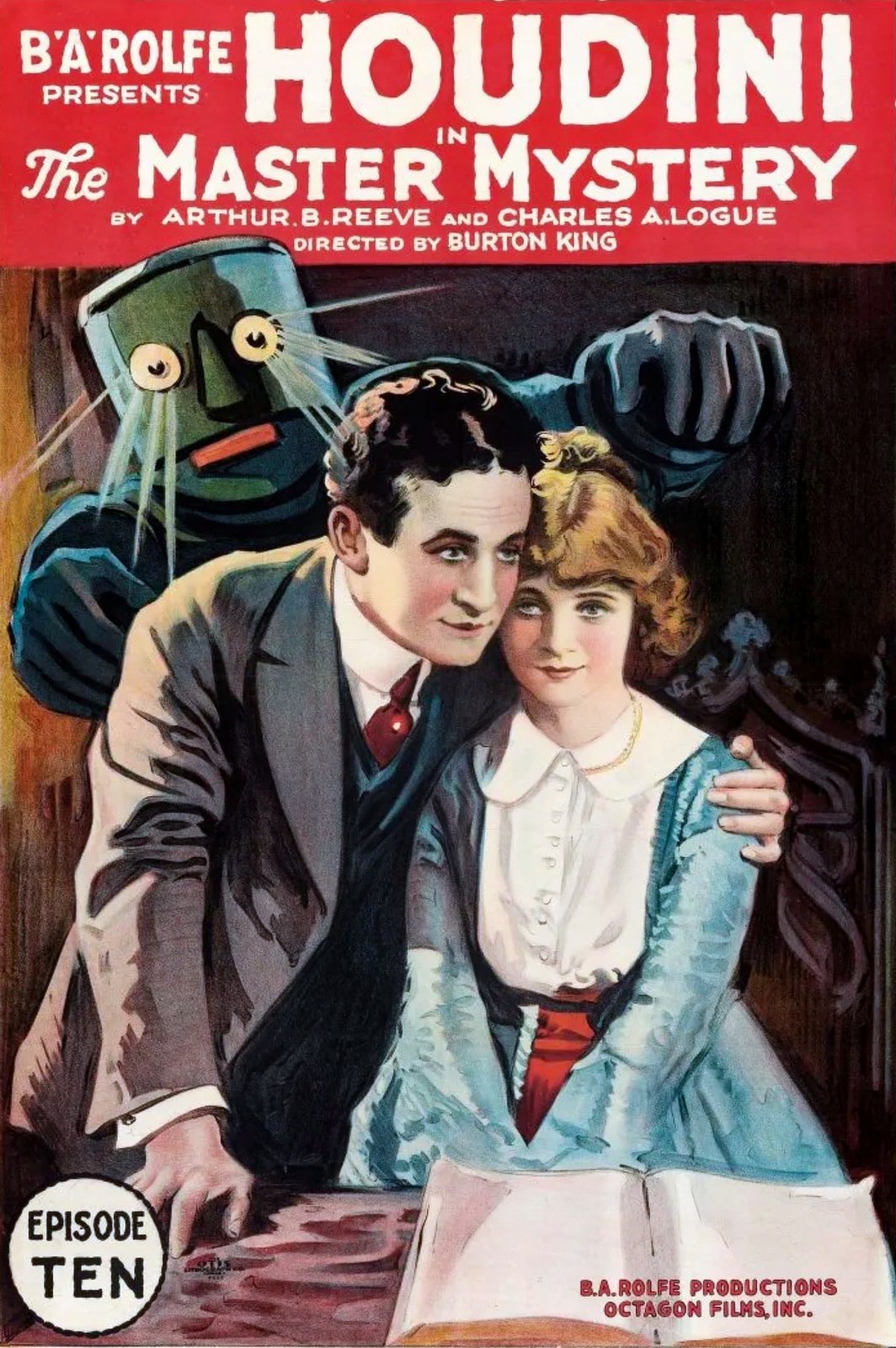
“Everything that I do on the stage and more, for I have more chances. It is a serial made by Metro, and my leading woman is a little beauty. She is Marguerite Marsh, a sister of Mae Marsh. It will be finished soon, and then you must come and see it, and perhaps you can find out how I do my tricks, as you call them.”
“No,” we said sadly, “we never can learn unless you tell us.” And then, hopefully: “Will people know after you are dead? Will you tell then?”
But Houdini shook his head: “I never shall tell. When I die, my secret dies with me.”
Now, isn’t he an exasperating person!
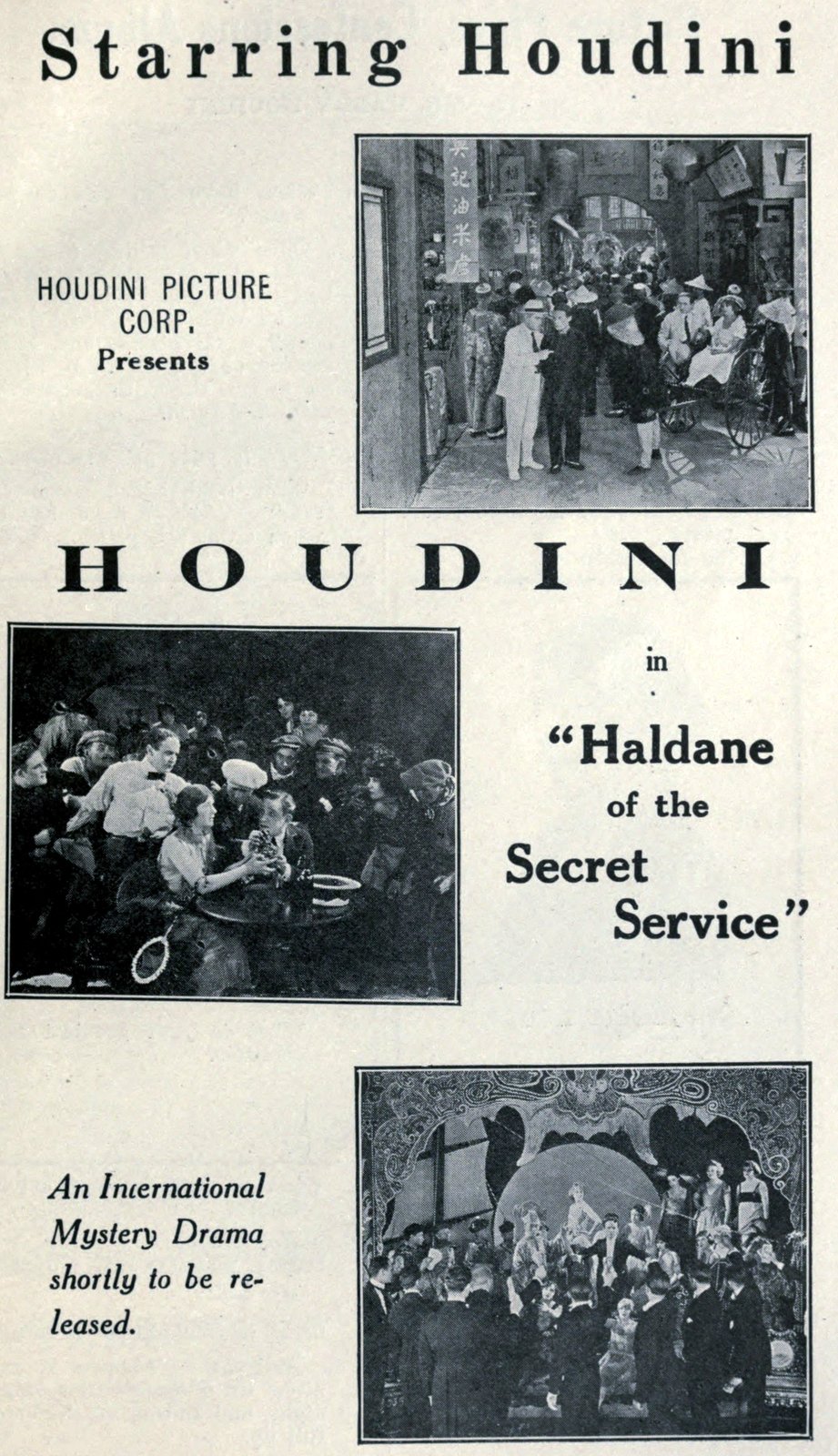
Some of Harry Houdini’s movies as of 1922
NOW SEE THIS: Crazy silent movie stunts from the 1920s that were wild & dangerous
Harry Houdini in a full length silent movie: Haldane of the Secret Service